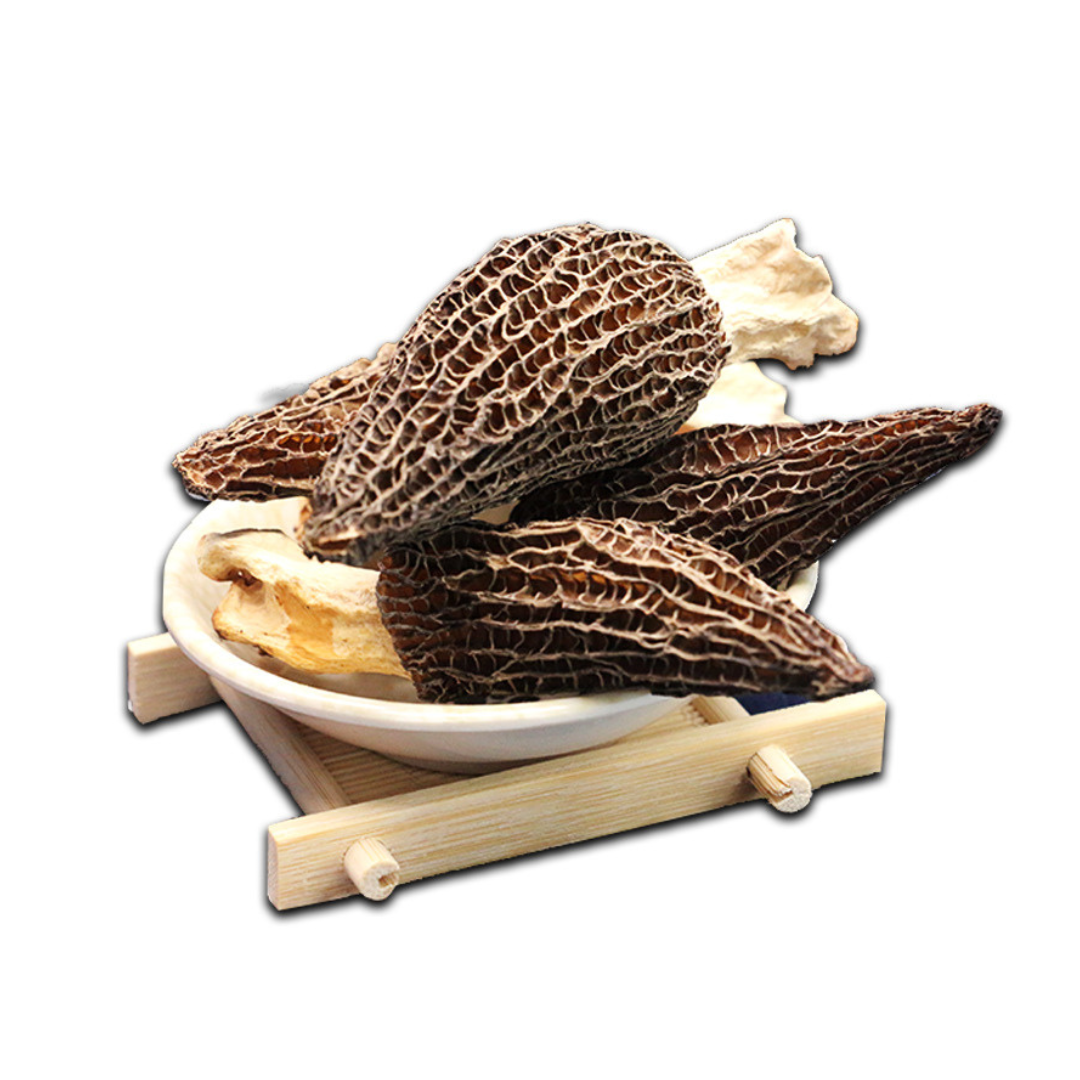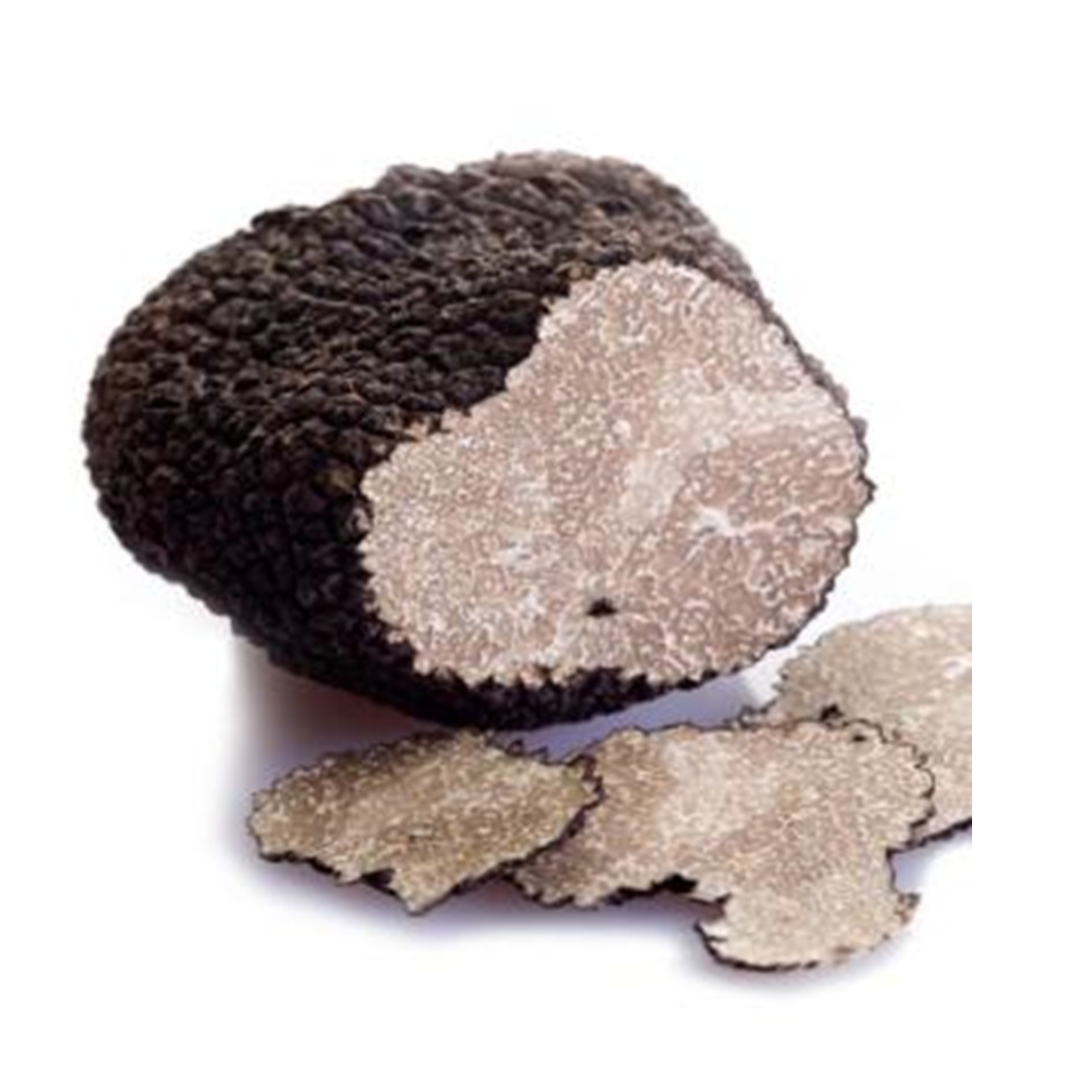


Product Introduction
Dehydrated Perigord truffle, known for its intense and earthy flavor, is a highly prized ingredient in the culinary world. This product is derived from the fresh Tuber melanosporum, a species of truffle native to Southern Europe [1], and is processed to extend its shelf life while retaining its distinctive characteristics. The dehydration process concentrates its flavors, therefore making it a versatile and potent ingredient for chefs and food enthusiasts. The dehydrated form allows for ease of storage, and transportation, while ensuring the availability of this delicacy year-round [2].
Production Process
The production of dehydrated Perigord truffles involves several key steps, starting with the careful selection of high-quality, mature truffles. The truffles are cleaned to remove any soil or debris without damaging the outer layer. Slicing is typically employed to increase the surface area and facilitate efficient drying. Freeze-drying, or lyophilization, is often used, where the truffles are frozen and then subjected to a vacuum to remove the ice crystals through sublimation [3]. This method helps preserve the truffle's cellular structure, aroma, and flavor compounds more effectively compared to other drying techniques. After dehydration, the truffles are inspected and packaged to ensure minimal moisture exposure and maintain product quality.
Product Applications
Dehydrated Perigord truffles find diverse applications in the culinary industry. They can be rehydrated and used in sauces, soups, and pâtés, infusing dishes with a rich, umami flavor [4]. The dehydrated truffle can also be ground into a powder and then used as a seasoning for various dishes, including pasta, risotto, and meat preparations. Additionally, these truffles are commonly incorporated into truffle oils, and butters, where their flavor slowly infuses into the fat-based medium. The use of dehydrated truffles allows chefs to add the luxurious taste of truffles to their creations without needing fresh truffles, which are highly seasonal and expensive [5].
Packaging and Storage
Packaging and storage are critical to maintaining the quality, flavor, and aroma of dehydrated Perigord truffles. The truffles are generally sealed in airtight containers or vacuum-sealed bags to prevent moisture absorption. Dark glass jars or opaque packaging materials are recommended to protect against light exposure, which can degrade the truffle's volatile compounds [6]. Optimal storage conditions involve keeping the product in a cool, dark, and dry environment, ideally at a temperature between 4°C and 10°C. Proper packaging and storage can significantly extend the shelf life of dehydrated truffles, allowing them to retain their desirable characteristics for an extended period [7].
Citations:
- Reynaud, B., & Parguey-Leduc, A. (2008). Truffle biology and ecology. In Truffles (pp. 27-54). Springer, Dordrecht.
- Pacioni, G. (1999). Manual for truffle hunters. Food and Agriculture Organization of the United Nations.
- Ratti, C. (2001). Textural properties of fruits and vegetables. Drying Technology, 19(1), 1-34.
- Boussetta, N.,্গ্গ্গ্্গ্গ্গ্গ্গ্গVorobiev, E. (2016). Fractionation of food materials by pulsed electric fields. Food Engineering Reviews, 8(3), 303-317.
- பார்ப்பனப்ள்ளு, W. (2004). The Oxford companion to food. Oxford University Press.
- Hsu, C. L., Yu, Y. W., Weng, Y. M., & Tseng, C. Y. (2008). Chemical composition and antioxidant properties of peanut hulls. Journal of Agricultural and Food Chemistry, 56(19), 9216-9220.
- Fellows, P. J. (2009). Food processing technology: principles and practice. Woodhead Publishing.

As a sales manager, I’m here to make sure you get exactly what you need for your dietary supplements. From sourcing to delivery, I’m always by your side, ensuring smooth and friendly service. Let’s make your products even better! 🥰🌿