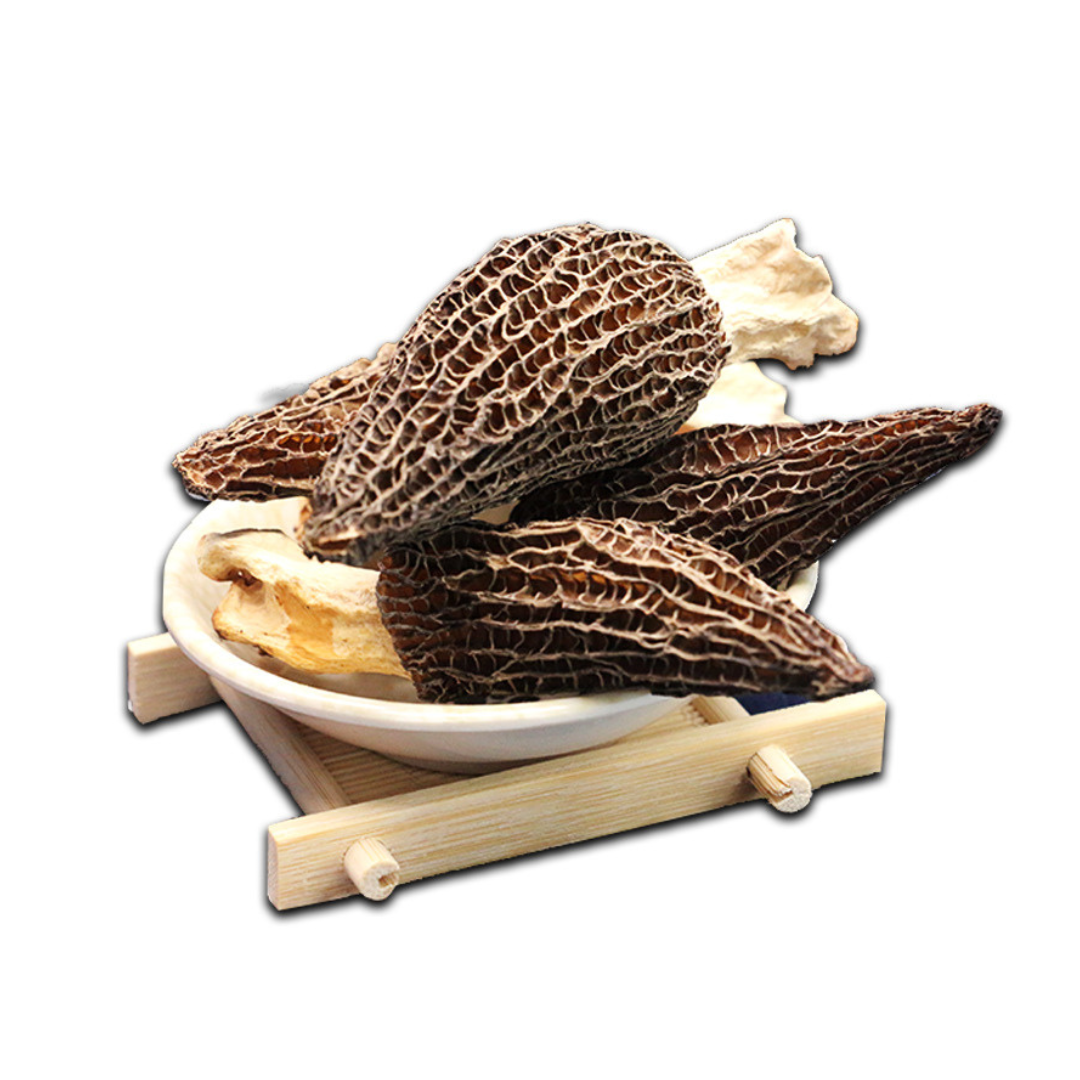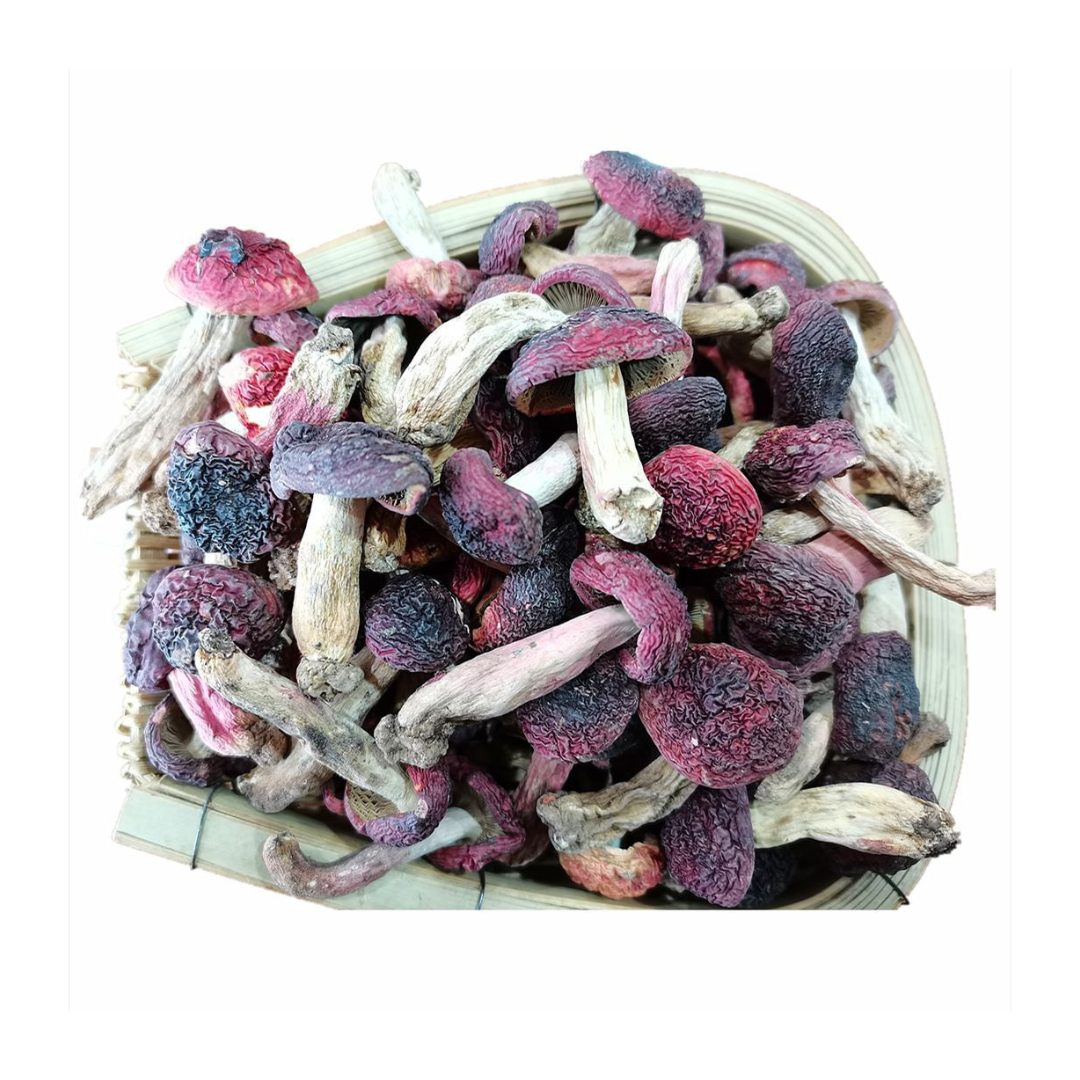


Product Introduction
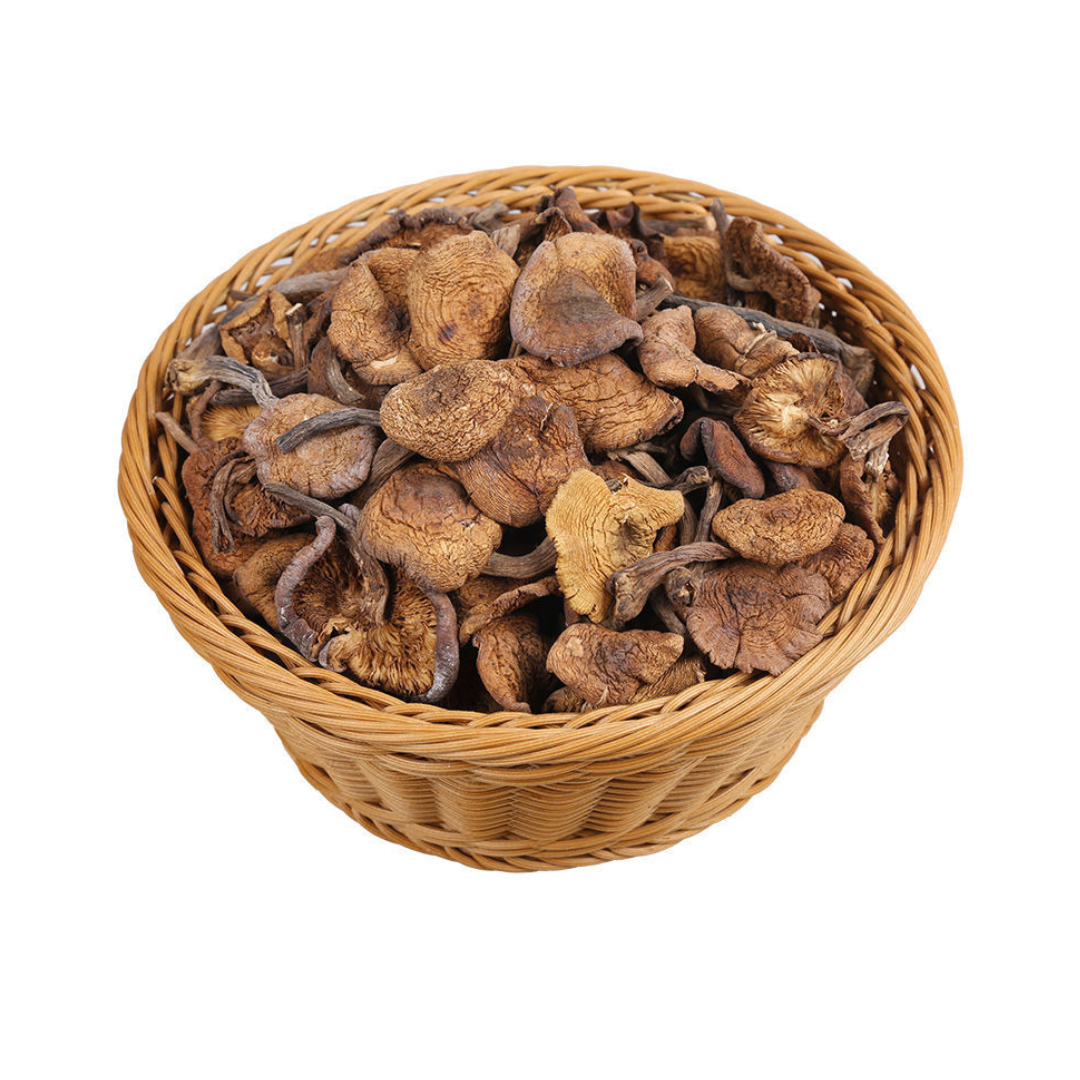
Dehydrated russula refers to various species within the Russula genus that have undergone a drying process to preserve them for later use. Russula is a diverse genus of mushrooms, encompassing numerous species that vary in color, size, and edibility. Many Russula species are considered edible and are consumed in different parts of the world [1]. Dehydration serves as an effective method to extend the shelf life of these mushrooms, concentrating their flavors and making them a convenient ingredient in various culinary applications.
Production Process
The production of dehydrated russula typically begins with the careful selection of fresh Russula mushrooms. The mushrooms are inspected to ensure that they are free from pests, insects, damage, and diseases, and are also checked to confirm which species are edible [2]. After inspecting the russulas, the mushrooms are cleaned to remove any residual dirt or debris. The mushrooms are then thinly sliced to facilitate efficient moisture removal. These slices are placed on trays in a dehydrator, where they are exposed to a controlled warm airflow. The temperature of the air is maintained at a level low enough to preserve the mushrooms' flavor, color, and nutrients. The drying process continues until the moisture content of the mushrooms is reduced to a level low enough to prevent microbial growth and enzymatic activity, typically below 10% [3]. When the drying cycle is complete, the dehydrated russula slices are then left to cool, and are inspected again to make sure the product does not have any defects.
Product Applications
Dehydrated russula can be rehydrated by soaking in warm water for approximately 20-30 minutes, rehydrated to a state close to their original fresh form, and then added to dishes. The liquid used for rehydration can also be added to dishes to enhance the mushrooms flavors. They can be used as ingredients in soups and stews or ground into a powder and be used as a seasoning ingredient [4]. Dehydrated russula can be found in sauces, broths, and umami spice blends.
Packaging and Storage
Dehydrated russula is packaged in airtight, moisture-proof containers to prevent reabsorption of moisture from the atmosphere. Packaging materials often include sealed plastic bags, glass jars, or vacuum-sealed pouches [5]. Proper storage is important to maintain the quality of dehydrated russula. The product should be stored in a cool, dark, and dry environment, away from direct sunlight and sources of heat [6].
Citations:
[1] Kuo, M. (2011, March). Russula. Retrieved from the MushroomExpert.Com Web site: http://www.mushroomexpert.com/russula.html
[2] Arora, D. (1986). Mushrooms Demystified. Ten Speed Press.
[3] Fellows, P. (2009). Food Processing Technology: Principles and Practice. Woodhead Publishing.
[4] Chang, S. T., & Miles, P. G. (2004). Mushrooms: Cultivation, Nutritional Value, Medicinal Effect, and Environmental Impact. CRC Press.
[5] Robertson, G. L. (2010). Food Packaging: Principles and Practice. CRC Press.
[6] Potter, N. N., & Hotchkiss, J. H. (1995). Food Science. Springer.

As a sales manager, I’m here to make sure you get exactly what you need for your dietary supplements. From sourcing to delivery, I’m always by your side, ensuring smooth and friendly service. Let’s make your products even better! 🥰🌿