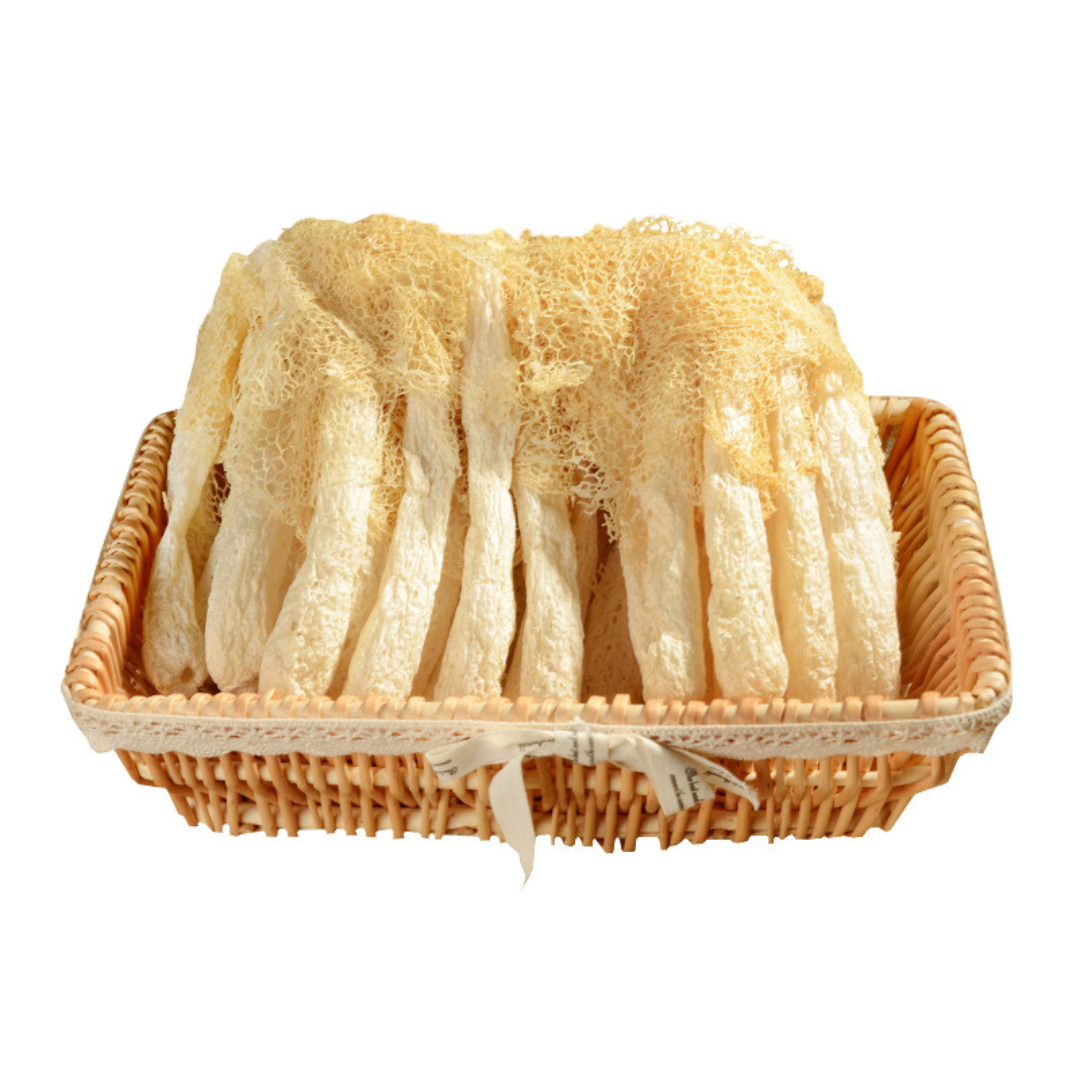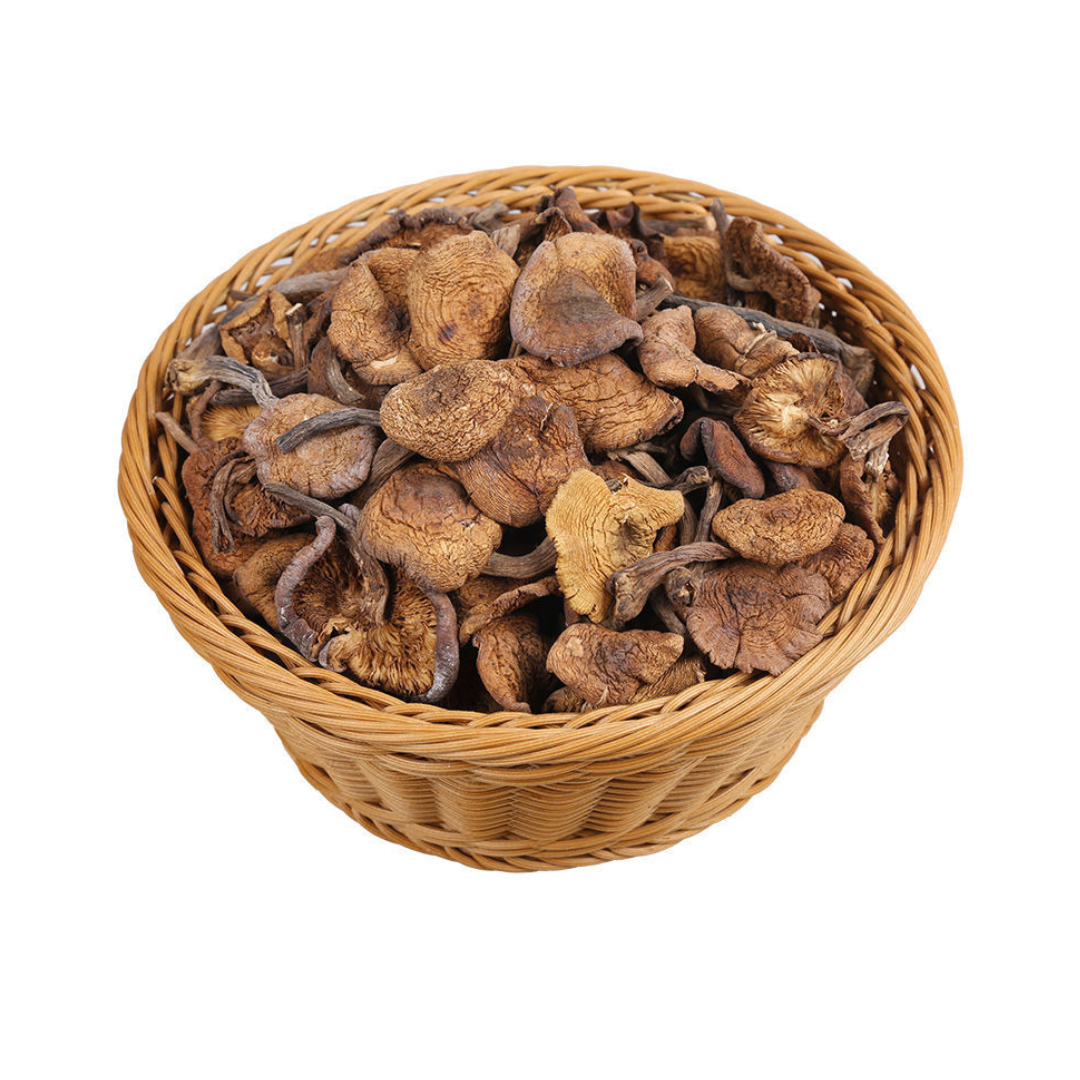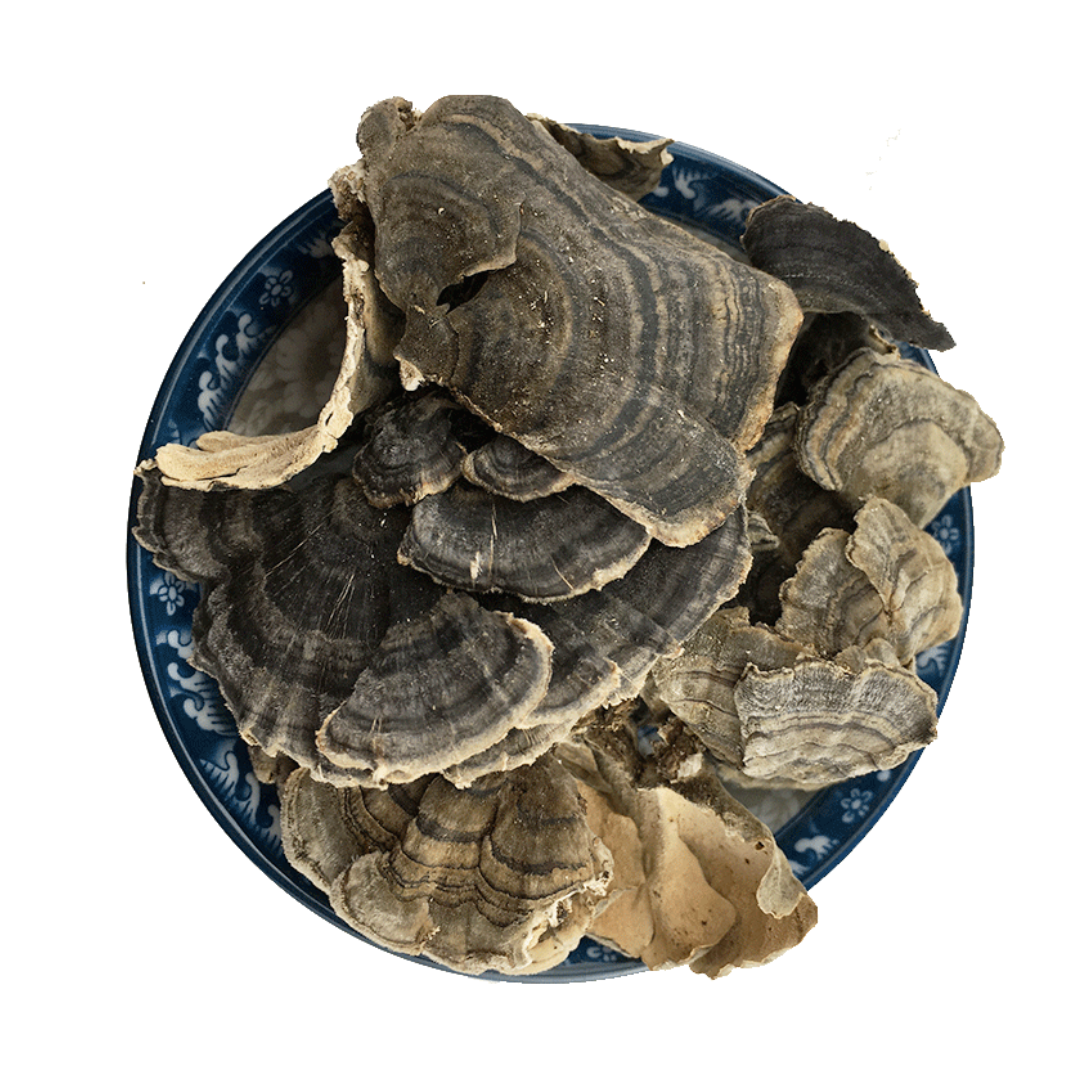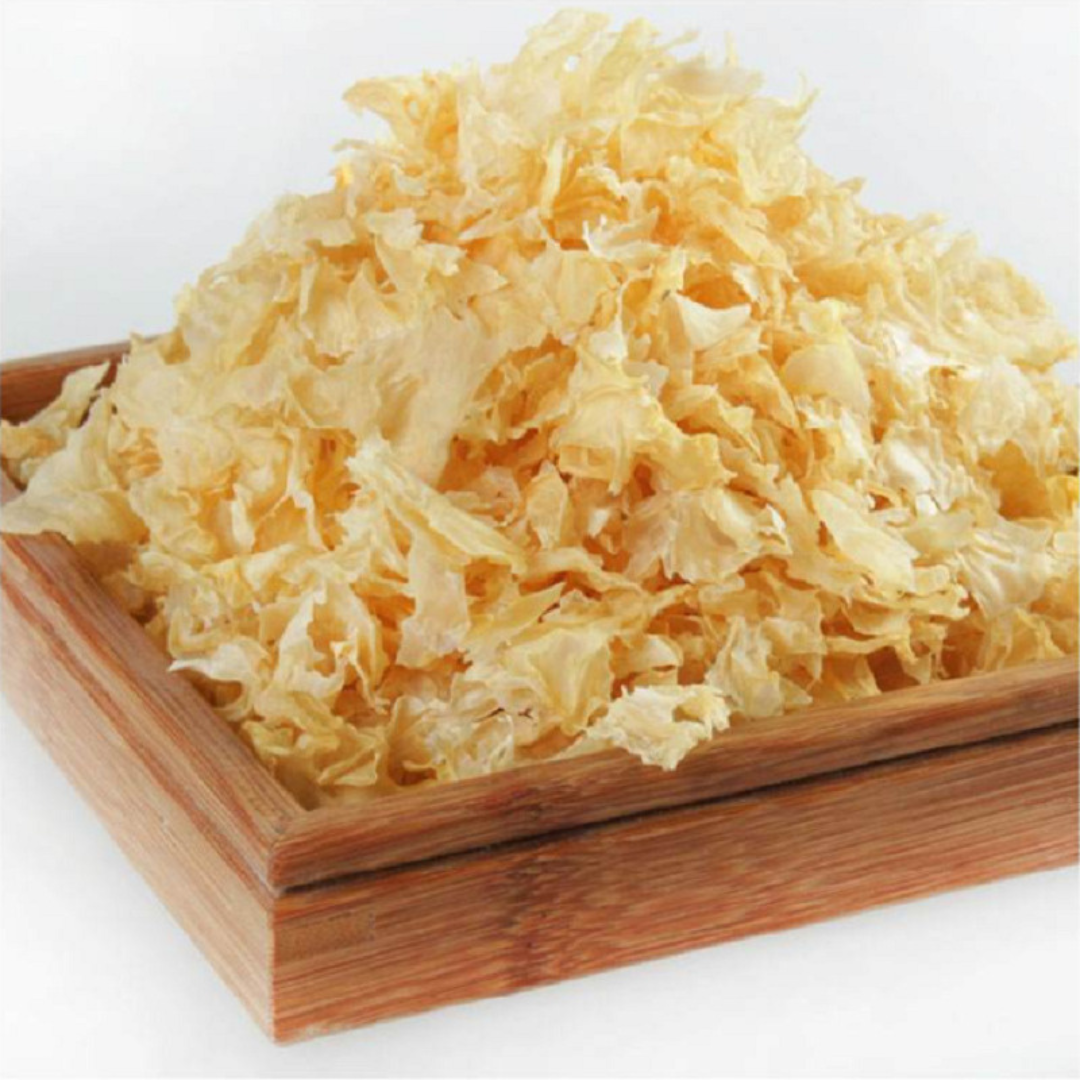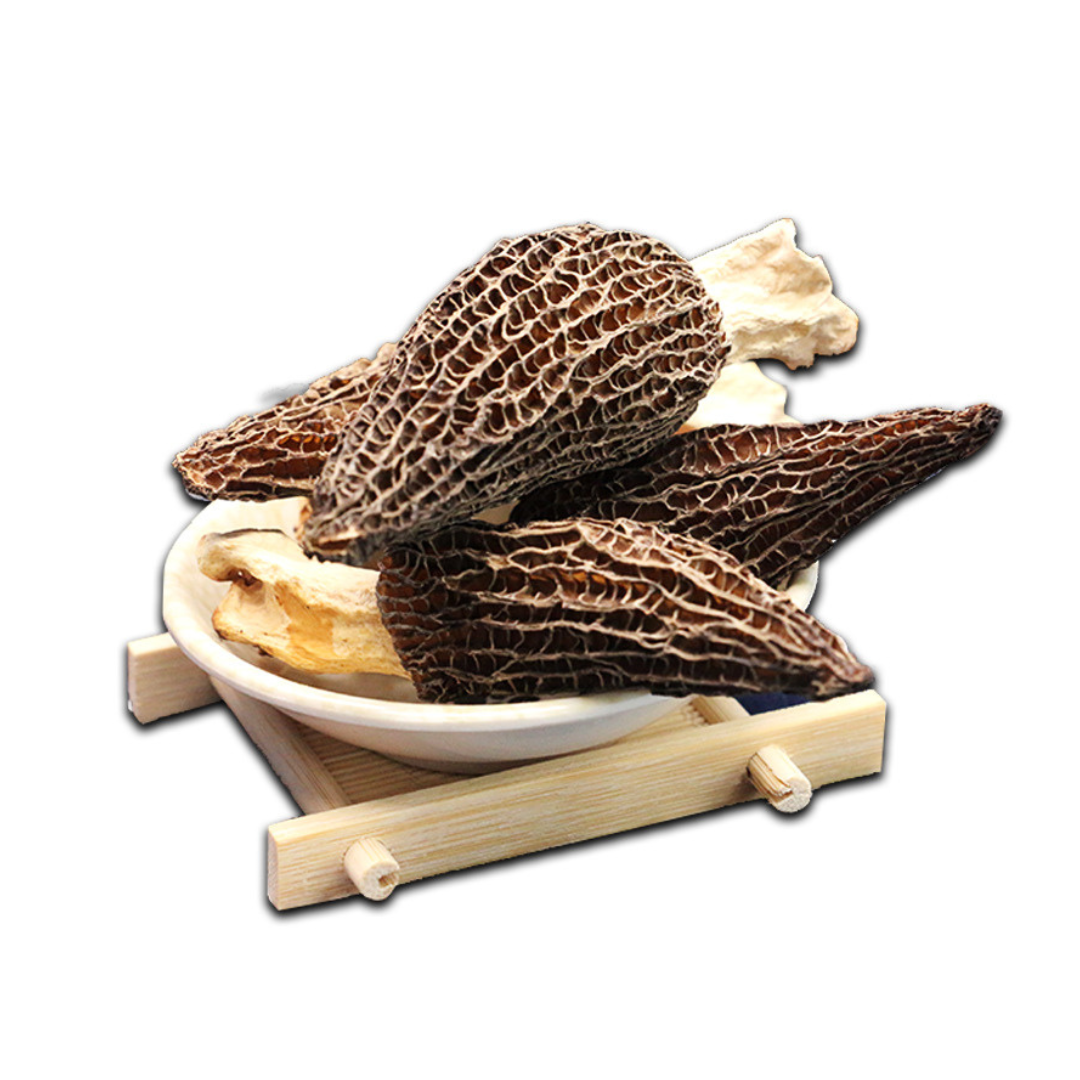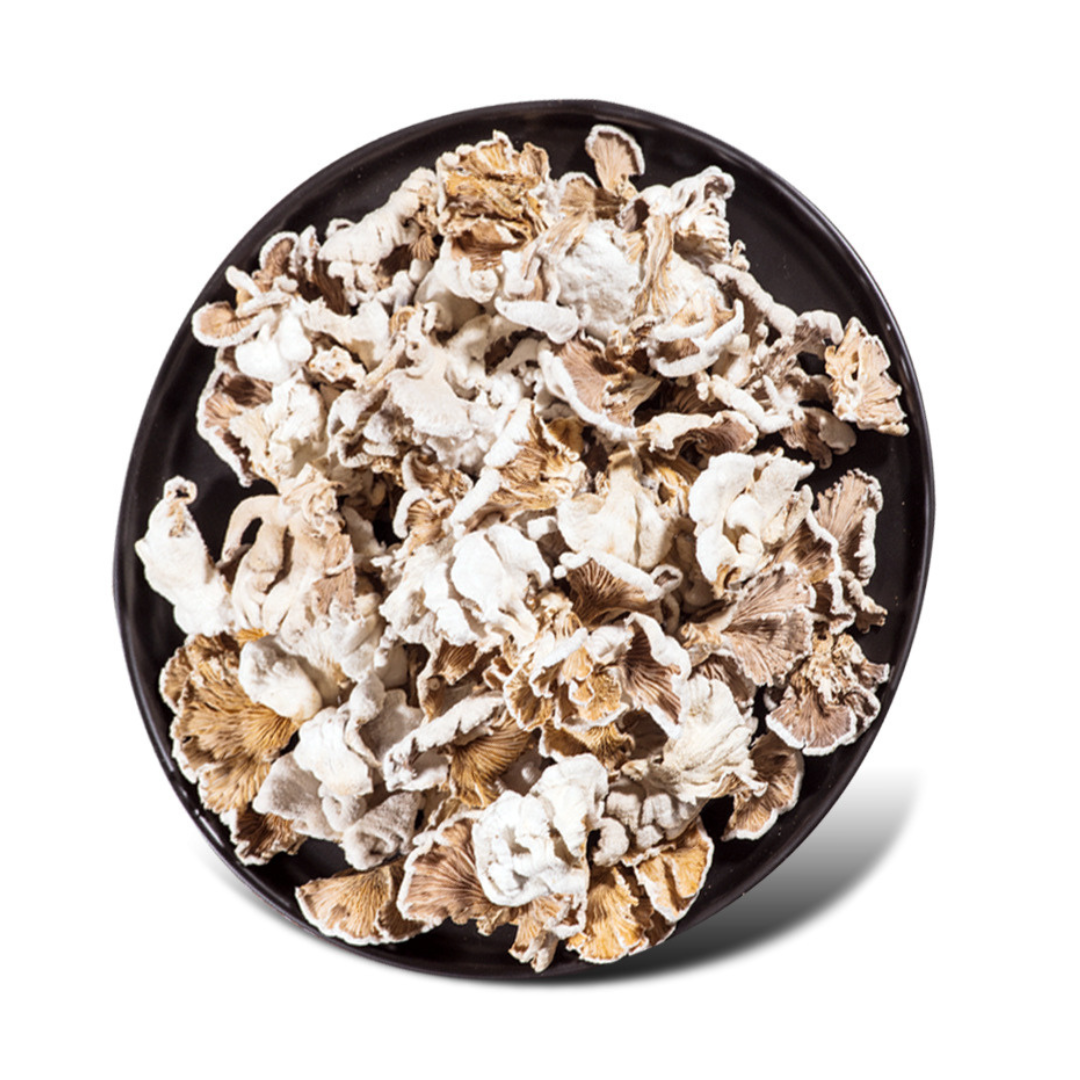


Product Introduction
Schizophyllum commune, a globally distributed mushroom, is known for its distinctive split gills and remarkable adaptability. This fungus, found on various wood substrates, has garnered attention not only for its ecological ubiquity but also for its potential applications in medicine and material science [1]. Dehydrated Schizophyllum commune retains many of the properties of the fresh mushroom, offering a convenient form for integration into different uses.
Production Process
The production of dehydrated Schizophyllum commune begins with sourcing. Mushrooms are typically harvested from cultivated sources to ensure consistency and purity [2]. After harvesting, the mushrooms undergo cleaning to remove any substrate or debris. Slicing or segmenting the mushrooms may be performed to facilitate efficient drying. The drying process, which is critical for preservation, involves the removal of moisture while retaining the mushroom’s inherent qualities, usually achieved through air drying or controlled dehydration at low temperatures. Rigorous quality control measures are implemented to monitor moisture content, microbial load, and overall product integrity, ensuring a safe and high-quality end product [3]. After drying, the mushrooms are packaged to prevent moisture re-absorption and contamination during storage.
Product Applications
Dehydrated Schizophyllum commune finds diverse applications, mainly driven by its bioactive compounds, such as schizophyllan. Schizophyllan, a beta-glucan polysaccharide, has been investigated for its immunomodulatory and antitumor properties, leading to its use in some medicinal applications, mainly in eastern medicine [4]. In the culinary realm, dehydrated Schizophyllum commune can be rehydrated and incorporated into soups, stews, and sauces, adding a unique flavor profile. Additionally, owing to its ability to produce biofilms, Schizophyllum commune is being explored in material science for creating sustainable materials [5].
Packaging and Storage
Proper packaging and storage are essential to maintain the quality and extend the shelf life of dehydrated Schizophyllum commune. The product should be sealed in airtight, moisture-proof containers, such as vacuum-sealed bags or jars with tight-fitting lids. Optimal storage conditions include a cool, dry environment away from direct sunlight and heat sources to prevent spoilage and maintain its bioactive components [6]. Under these conditions, dehydrated Schizophyllum commune can retain its quality for extended periods.
Citations:
[1] Kües, U. (2015). Schizophyllum commune: Model for genetic, genomic, and evolutionary research of fungi. Applied Microbiology and Biotechnology, 99(3), 1095-1106.
[2] Stamets, P. (2000). Growing gourmet and medicinal mushrooms. Ten Speed Press.
[3] Ratti, C. (2001). Hot air and freeze-drying of high-value foods: a review. Journal of Food Engineering, 49(4), 311-319.
[4] Wasser, S. P. (2002). Medicinal mushrooms as a source of antitumor and immunomodulating polysaccharides. Applied Microbiology and Biotechnology, 60(3), 258-274.
[5] Haneef, J., Ceseracciu, L., Canale, C., Bayer, I. S., & Athanassiou, A. (2017). Advanced materials from fungal mycelium: upcoming fabrication strategies and potential applications. Trends in Biotechnology, 35(4), 347-359.
[6] Fellows, P. J. (2009). Food processing technology: principles and practice. Woodhead Publishing.

As a sales manager, I’m here to make sure you get exactly what you need for your dietary supplements. From sourcing to delivery, I’m always by your side, ensuring smooth and friendly service. Let’s make your products even better! 🥰🌿