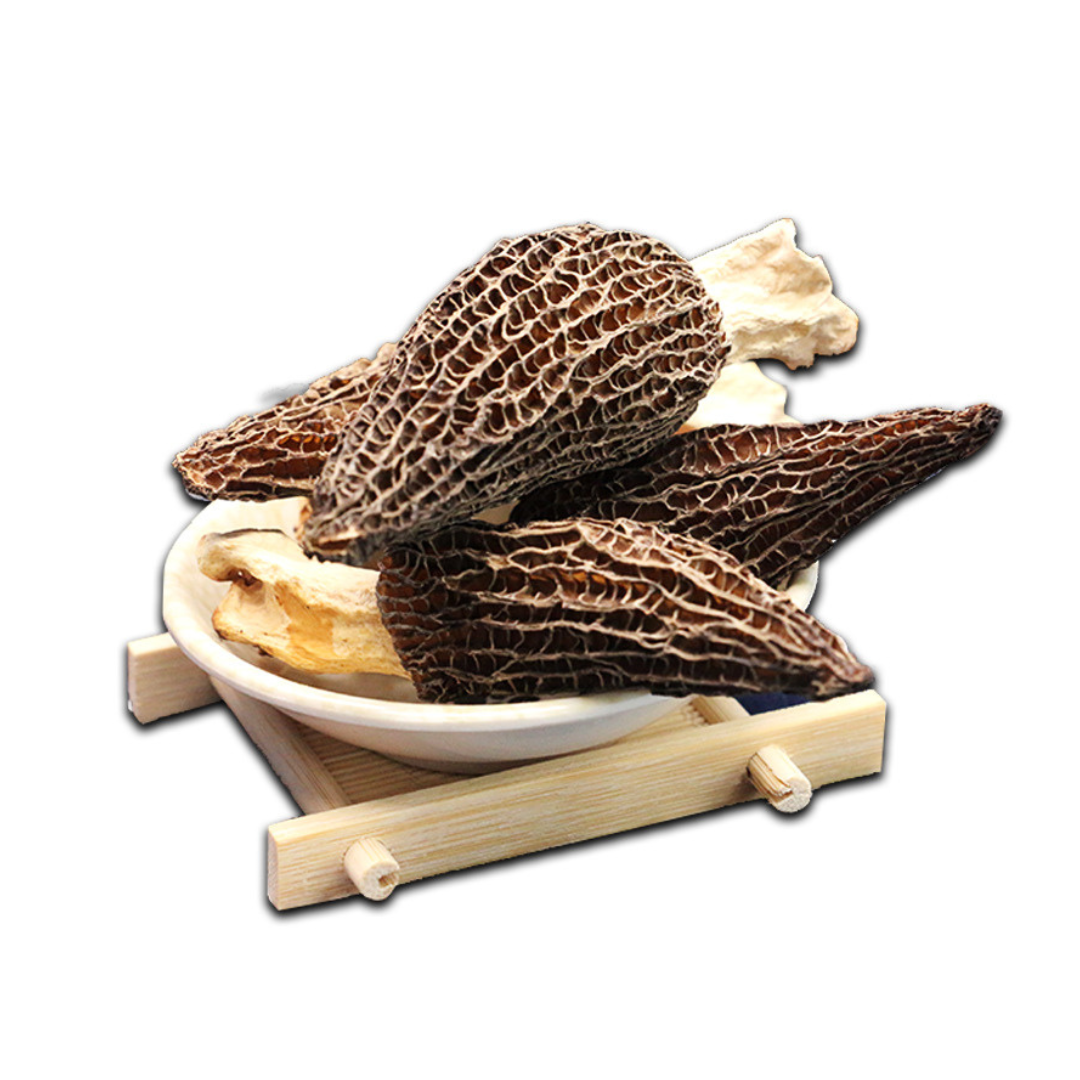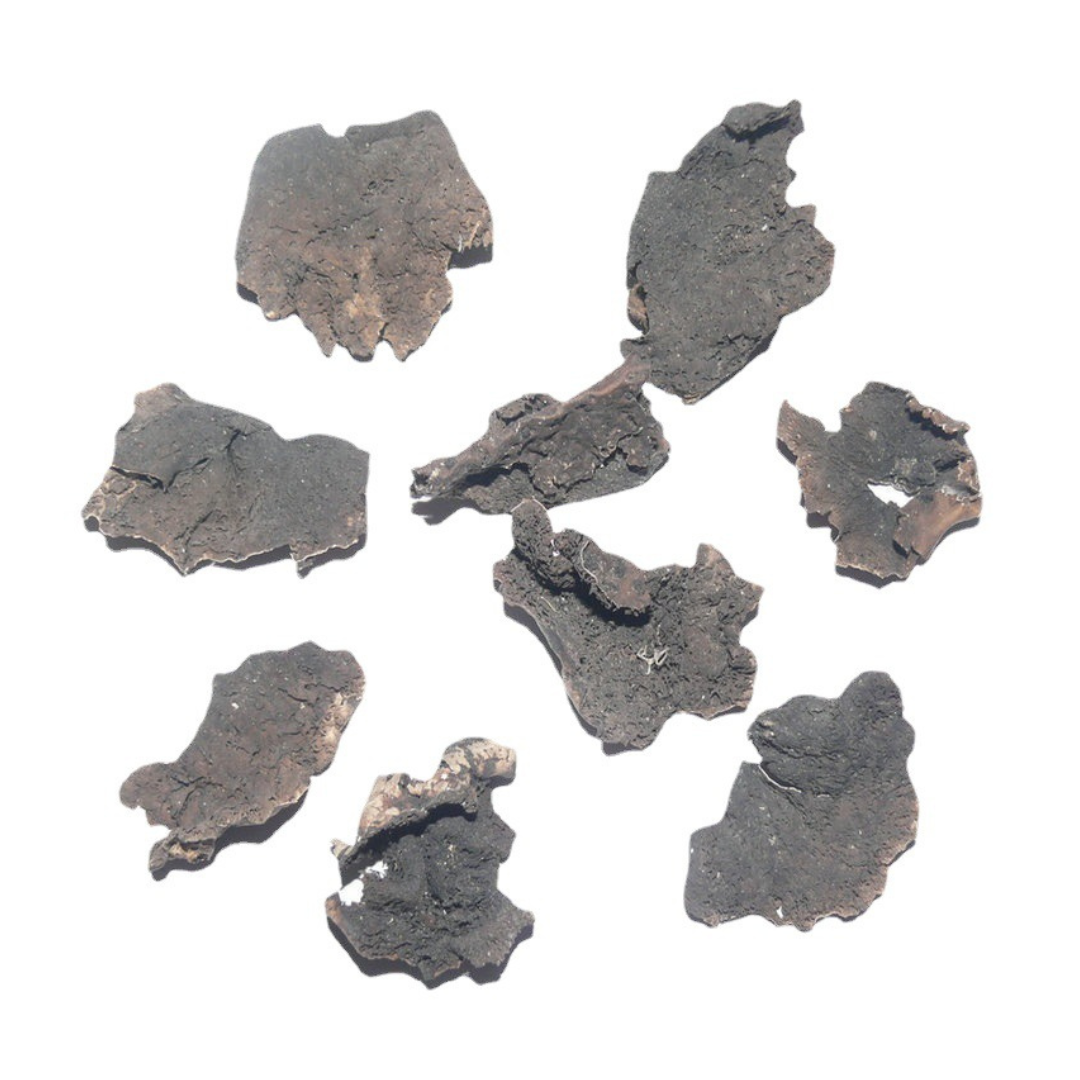


Product Introduction
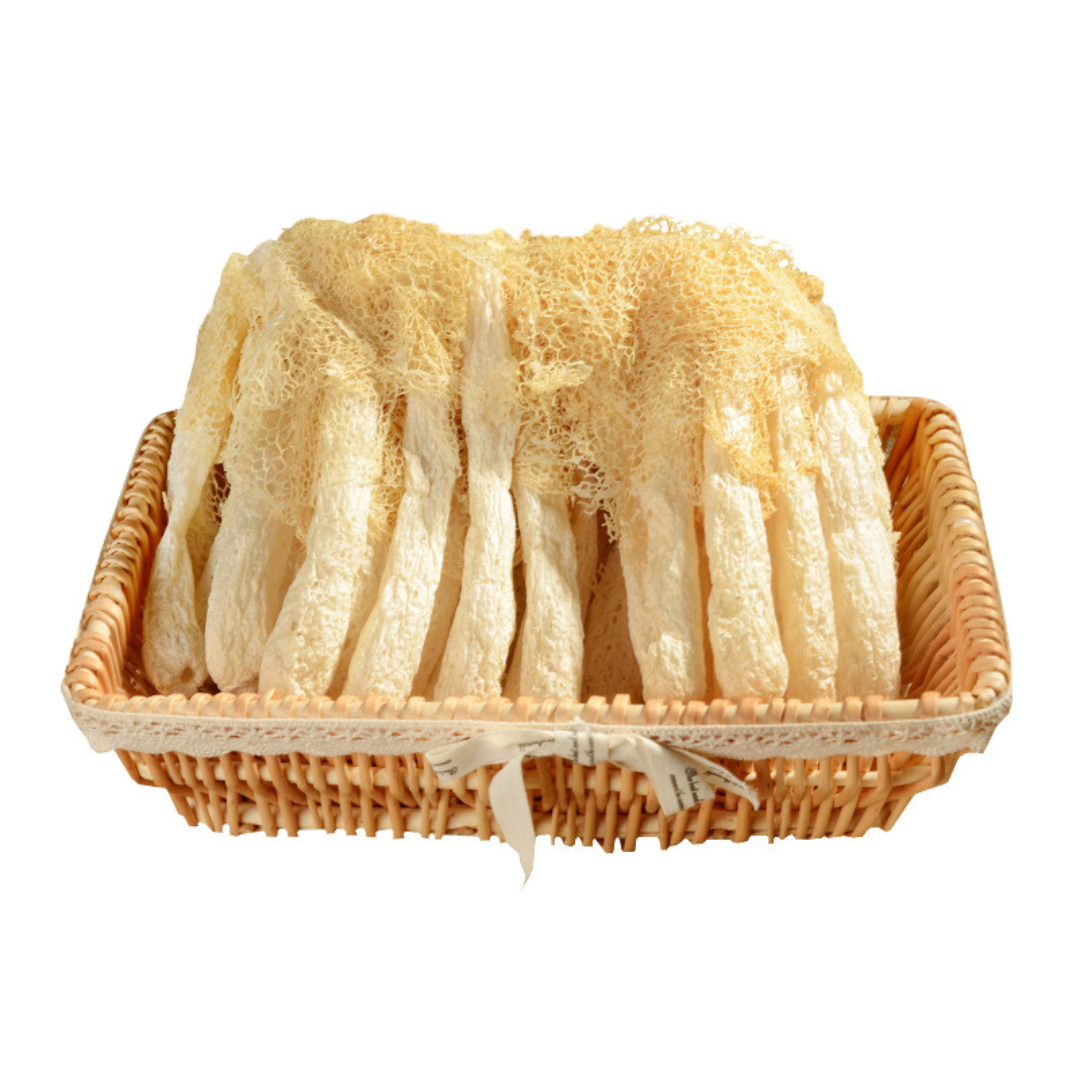
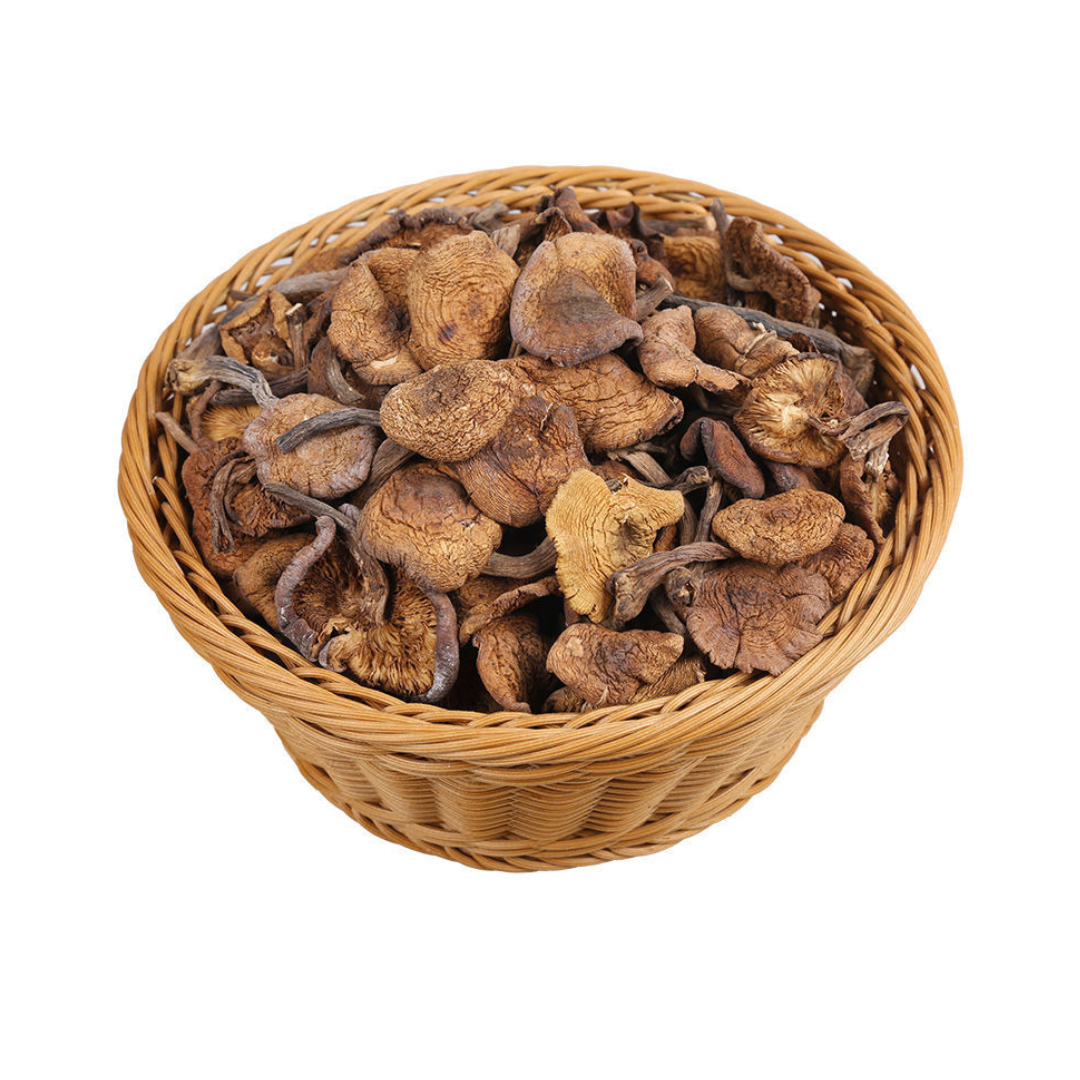
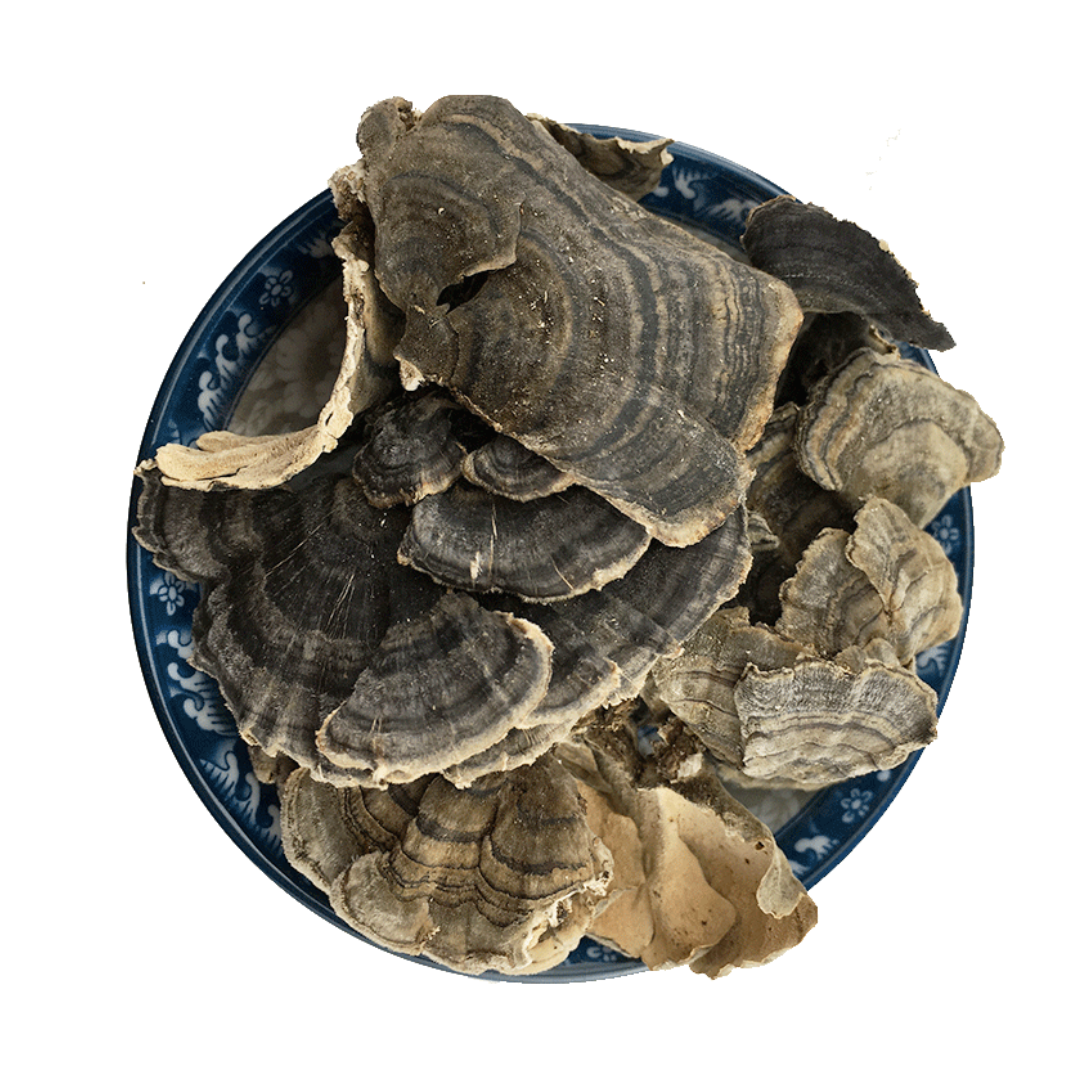
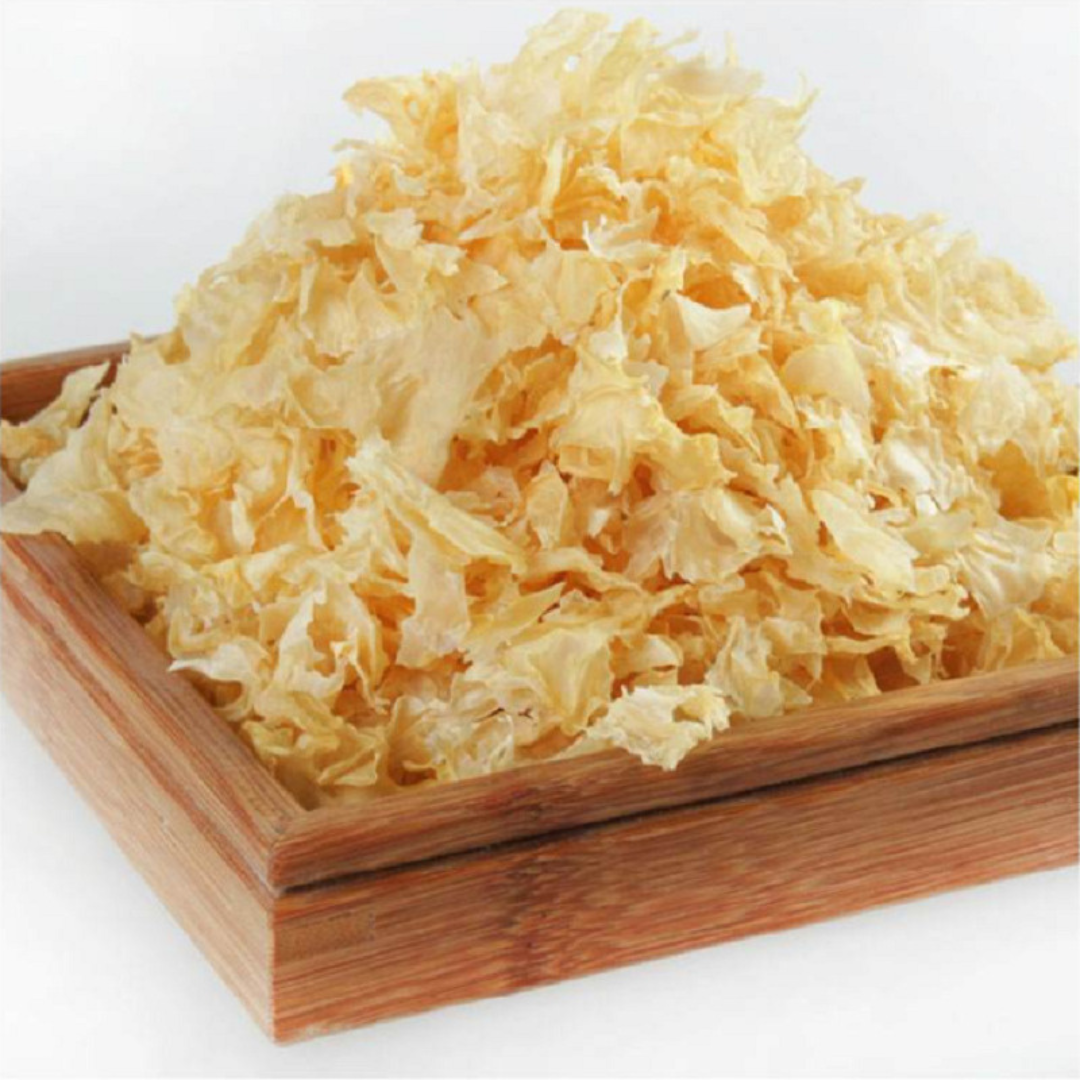
Stone fungus, scientifically known as Umbilicaria esculenta, represents a unique type of lichen, commonly utilized as a food source, particularly in East Asian cultures. Its prevalence spans various regions, including China, Japan, and Korea, where it is often harvested from rocky surfaces in mountainous areas. This lichen holds significance not only as a culinary ingredient, but also as a component of traditional medicine, where it is believed to possess various health benefits. The dehydrated form of stone fungus is favored for its extended shelf life and ease of storage, making it a staple in many households and commercial food processing facilities. Through dehydration, the intrinsic qualities of stone fungus, such as its distinctive texture and nutritional profile, are preserved, while ensuring convenience in handling and preparation.
Production Process
The production of dehydrated stone fungus involves a series of carefully orchestrated steps, beginning with the harvesting of the lichen from its natural habitat. Harvesters typically select mature specimens, ensuring sustainability by leaving younger lichens intact. Once harvested, the stone fungus undergoes a thorough cleaning process to remove any residual debris, such as soil, moss, or other impurities acquired from its rocky substrate. Following cleaning, the stone fungus is blanched briefly. Blanching helps to sanitize the material and prepare it for dehydration by slightly softening its texture.
The dehydration process itself is crucial in preserving the quality and extending the shelf life of the stone fungus. Traditional methods often involve sun-drying, where the fungus is spread thinly on mats and left to dry naturally under the sun. Modern commercial operations may employ mechanical dehydrators, which offer greater control over temperature and humidity, resulting in a more consistent and efficient drying process.
After dehydration, the stone fungus is sorted to remove any substandard pieces, and then it undergoes quality control checks to ensure it meets the required standards for moisture content, appearance, and purity. Finally, the dehydrated stone fungus is packaged in airtight containers to prevent moisture absorption and maintain its quality during storage and transportation.
Product Applications
Dehydrated stone fungus has a wide array of applications, primarily in the culinary arts. In East Asian cuisine, it has been incorporated into traditional dishes for centuries, appreciated for its distinctive texture and subtle, earthy flavor. Before use, the dehydrated fungus needs rehydration, with soaking in water until it regains a gelatinous consistency.
A common application for stone fungus is in soups, where it acts as a thickening agent while imparting a unique textural element. It is also frequently added to stir-fries, salads, and vegetarian dishes, serving as a nutritious and visually appealing ingredient. Stone fungus can absorb flavors well, which makes it suitable in a variety of recipes.
Beyond its culinary uses, it has been employed in certain traditional medicine practices. In these contexts, it is believed to possess medicinal properties, such as antioxidant and anti-inflammatory effects; however, further research is needed to validate these claims scientifically [1].
Packaging and Storage
Packaging is crucial for maintaining the quality and extending the shelf life of dehydrated stone fungus. It is generally packaged in airtight, moisture-proof containers, such as sealed plastic bags or containers, in order to prevent moisture absorption. The packaging material should also be opaque or UV-resistant, to protect the fungus from light exposure, which can degrade its quality.
Proper storage conditions are equally important for preserving the product. The dehydrated stone fungus should be stored in a cool, dry, and dark place, away from direct sunlight and sources of heat. Ideal storage temperatures are typically below 20°C (68°F), and the relative humidity should be kept low [2].
Adhering to these packaging and storage guidelines can help ensure that the dehydrated stone fungus retains its quality, flavor, and nutritional value for an extended period, allowing consumers and commercial users to enjoy its benefits over time.
Citations
[1] Yoshimura, I., Yamamoto, Y., Kinoshita, Y., Fukuoka, M., & Yamada, Y. (1997). Antioxidant properties of lichen Umbilicaria esculenta. Phytomedicine, 4(3), 235-239.
[2] Fellows, P. J. (2009). Food processing technology: principles and practice. Woodhead Publishing.

As a sales manager, I’m here to make sure you get exactly what you need for your dietary supplements. From sourcing to delivery, I’m always by your side, ensuring smooth and friendly service. Let’s make your products even better! 🥰🌿