

Product Introduction
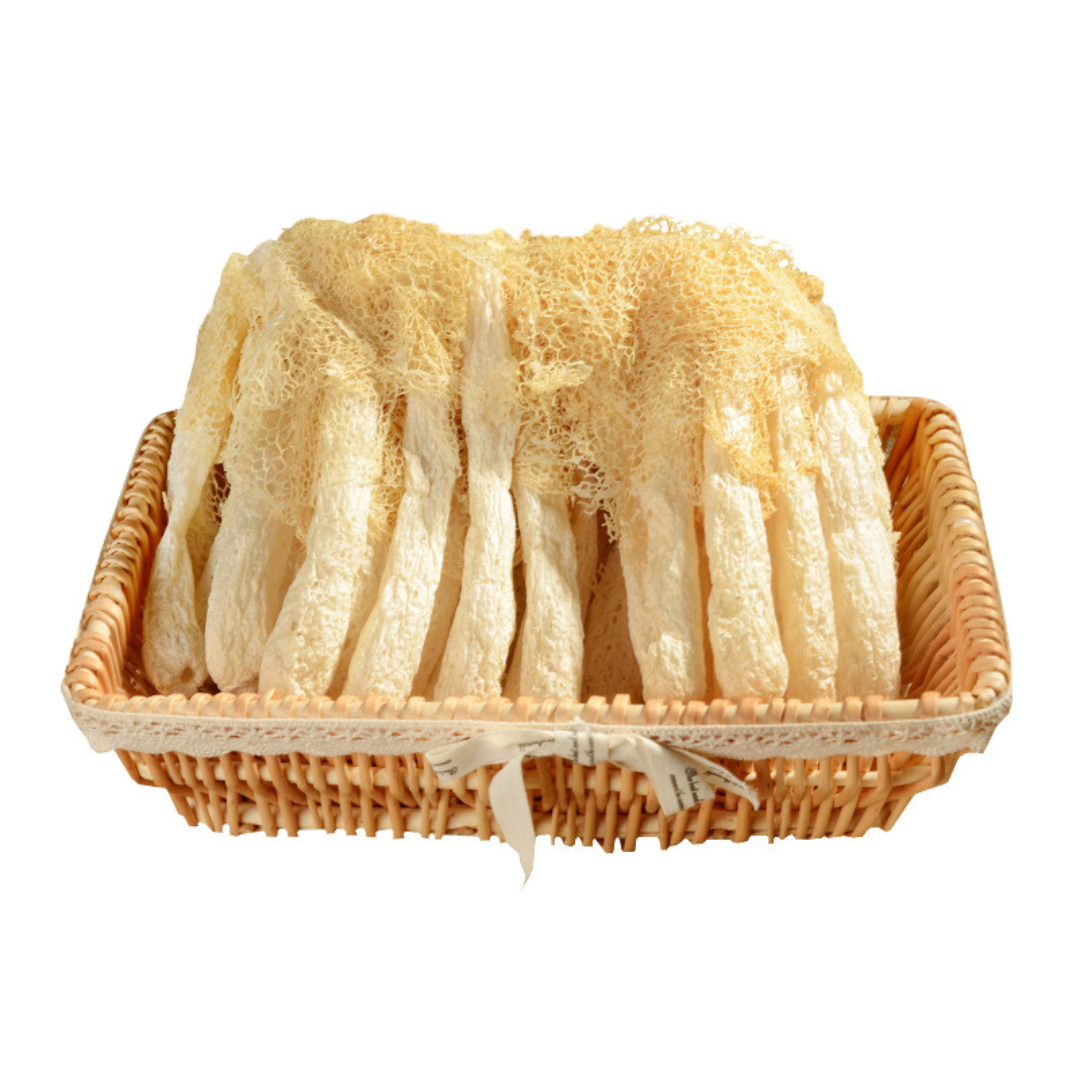
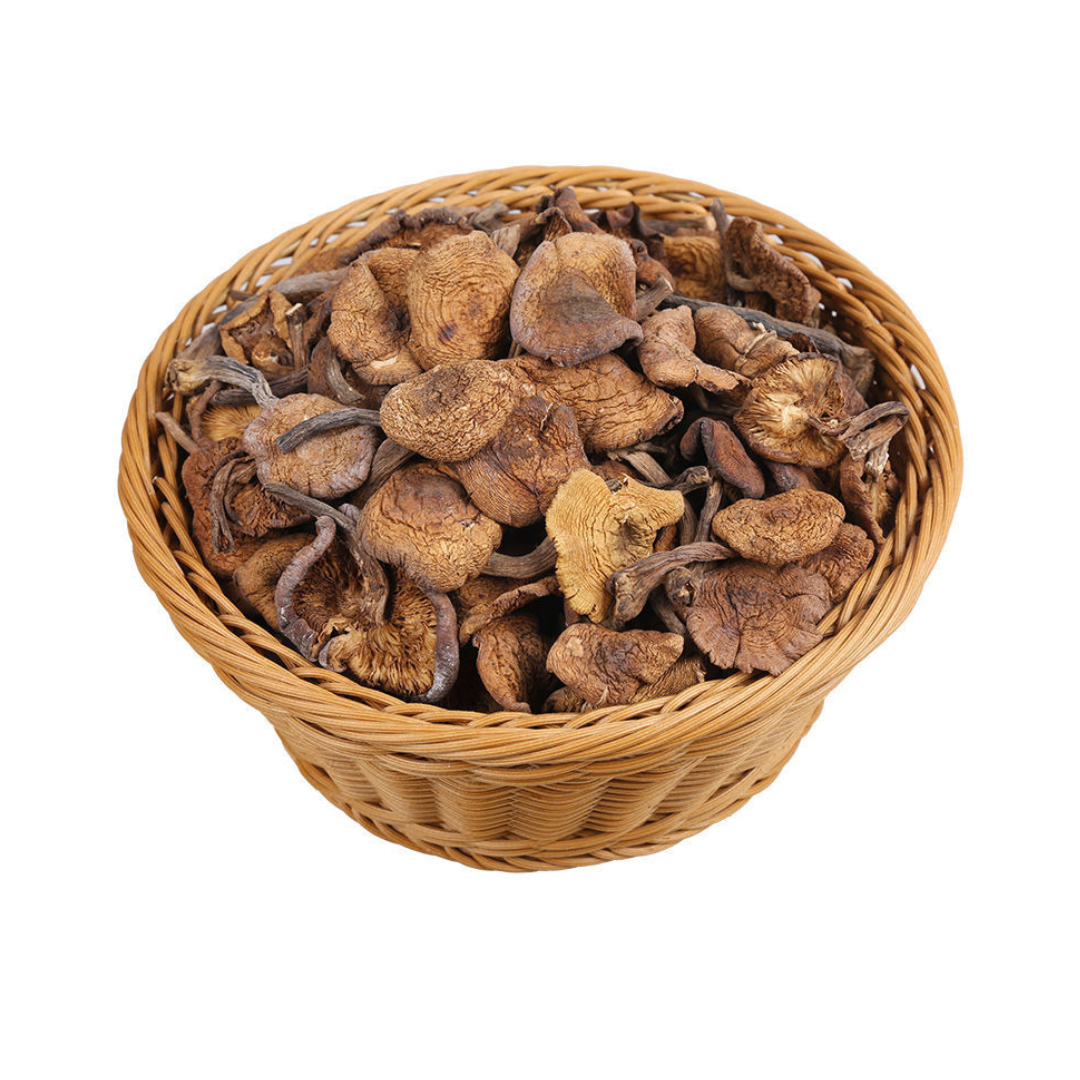
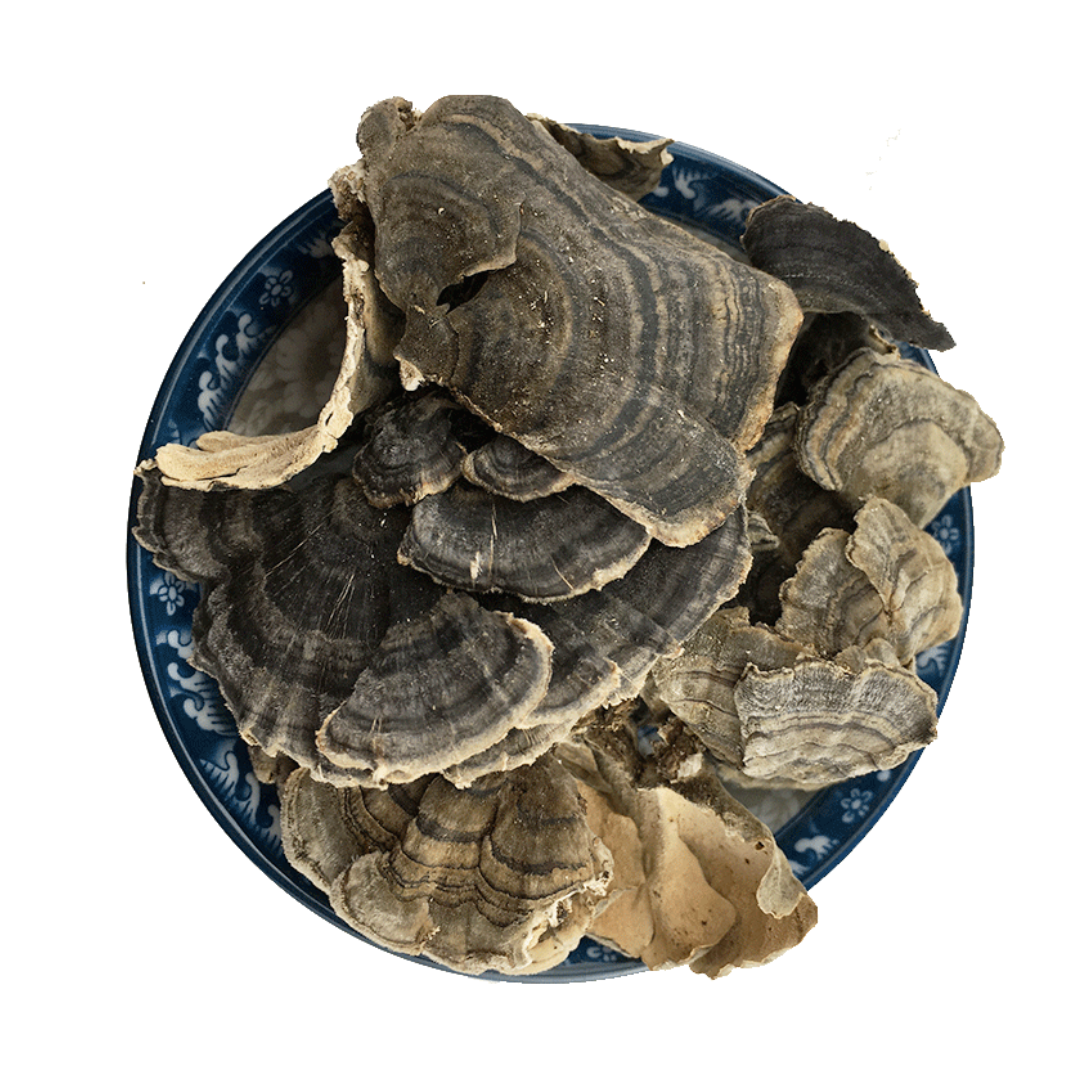
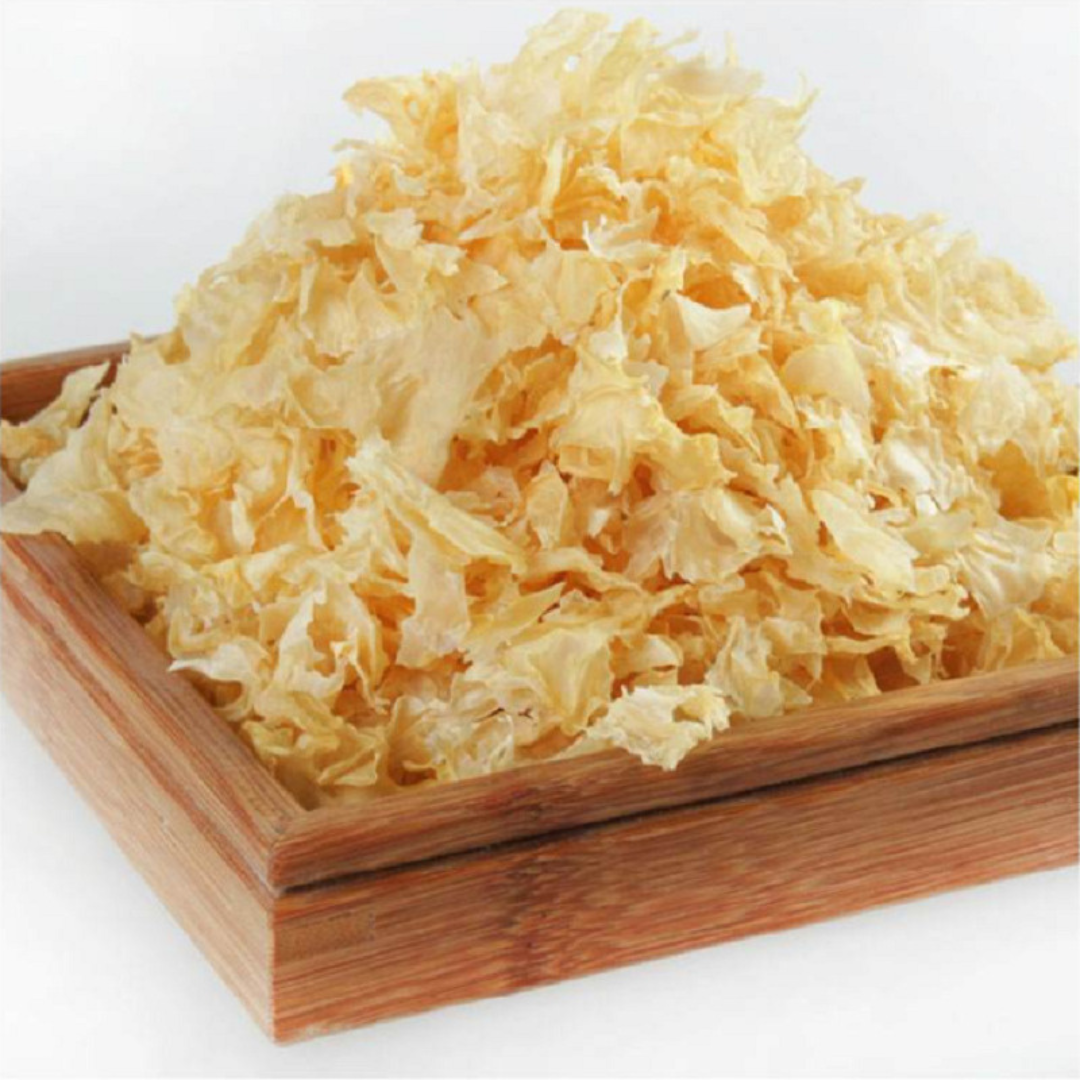
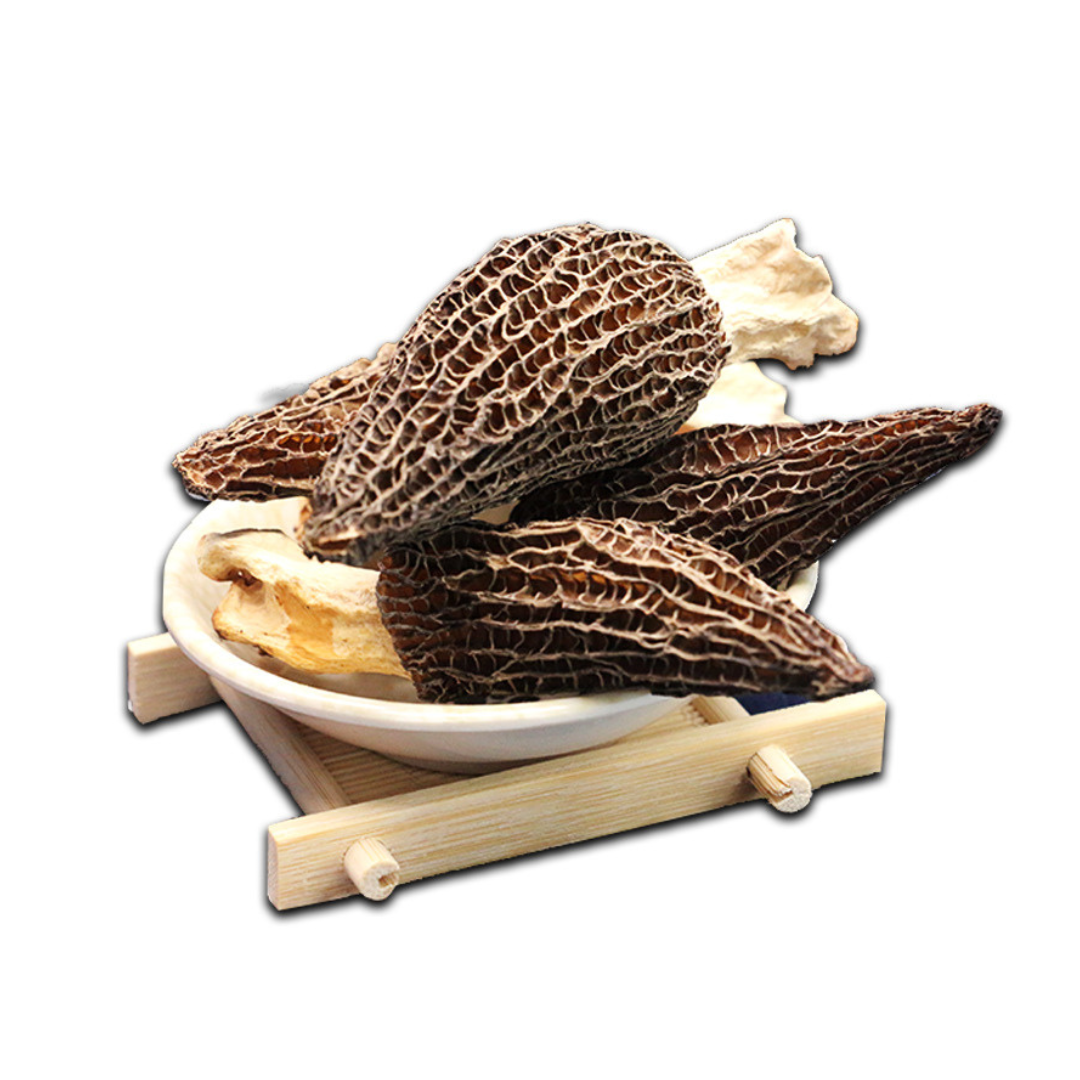
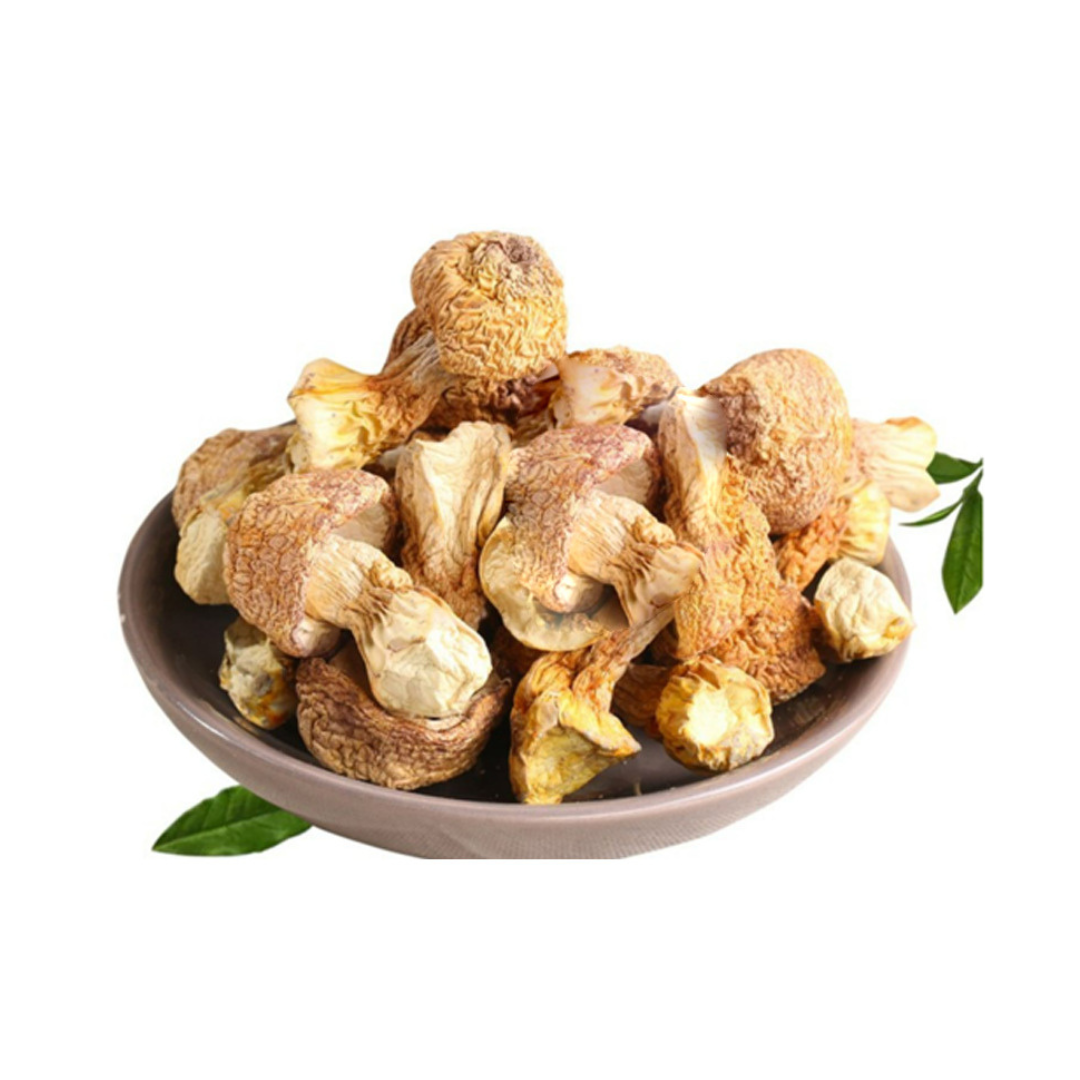
Tricholoma matsutake, commonly known as matsutake mushroom or pine mushroom, is a highly prized, mycorrhizal fungus found predominantly in Asia, Europe, and North America. Highly esteemed in Japanese, Korean, and Chinese cuisines, the mushroom is renowned for its unique spicy-aromatic odor. The dehydrated form of Tricholoma matsutake offers a convenient way to incorporate this prized ingredient into dishes, extending its shelf life while concentrating its distinct flavor profile. Retaining most of its nutritional value after dehydration, this product can be rehydrated and used in various culinary applications.
Production Process
The production of dehydrated Tricholoma matsutake mushrooms begins with the careful selection of raw materials. Freshly harvested mushrooms are meticulously sorted, inspected, and thoroughly cleaned to remove any adhering soil or debris. The mushrooms are then sliced to facilitate efficient drying. The prepared mushrooms are then subjected to a dehydration process, which typically involves air-drying or freeze-drying. Air-drying involves circulating warm air around the mushrooms, gradually reducing their moisture content; freeze-drying, or lyophilization, on the other hand, involves freezing the mushrooms and then subjecting them to a vacuum, causing the ice crystals to sublimate directly into vapor. Both methods effectively preserve the mushrooms; retain their flavor, aroma, and nutritional components; and increase shelf life. After dehydration, the mushrooms undergo quality control checks, sorting, and packaging for distribution.
Product Applications
Dehydrated Tricholoma matsutake mushrooms boast a wide range of culinary applications, owing to their concentrated flavor and extended shelf life. They are frequently employed in Asian cuisine, particularly in Japan, Korea, and China, as a flavoring agent in soups, stews, and rice dishes. When rehydrated, the mushrooms regain a texture close to their fresh counterpart, making them suitable for use in stir-fries and various other dishes. The distinct umami flavor of Tricholoma matsutake enhances the taste of vegetarian, vegan, and meat-based dishes. Additionally, the dehydrated mushrooms can be ground into a powder and used as a natural seasoning, adding depth and complexity to sauces, marinades, and dry rubs. Their versatility allows them to be incorporated into diverse culinary creations, limited only by the imagination of any cook.
Packaging and Storage
Proper packaging is crucial for maintaining the quality and extending the shelf life of dehydrated Tricholoma matsutake. These mushrooms are typically sealed in airtight, moisture-proof containers, such as resealable bags, glass jars, or vacuum-sealed packages. These containers protect the mushrooms from moisture absorption, which can promote spoilage and degrade their flavor. Exposure to light and oxygen degrades the quality of the mushrooms. To maintain the product's integrity it should be stored in a cool, dry place, away from direct sunlight and sources of heat. The ideal storage temperature is between 10°C and 20°C (50°F and 68°F). When stored correctly, dehydrated Tricholoma matsutake mushrooms can maintain their quality and flavor for up to 12–18 months.
Citations
- Ogawa, M. 1978. “Poisonous mushrooms.” Hoken no Kagaku 20 (7): 447–53.
- Danell, E. 1994. “Formation of ectomycorrhiza in vitro with Tricholoma matsutake isolates from Europe and Japan.” Mycorrhiza 5 (2): 99–105.
- Tricholoma matsutake(S. Ito & S. Imai) Singer”. Index Fungorum. CAB International. Retrieved 2010-09-08.

As a sales manager, I’m here to make sure you get exactly what you need for your dietary supplements. From sourcing to delivery, I’m always by your side, ensuring smooth and friendly service. Let’s make your products even better! 🥰🌿