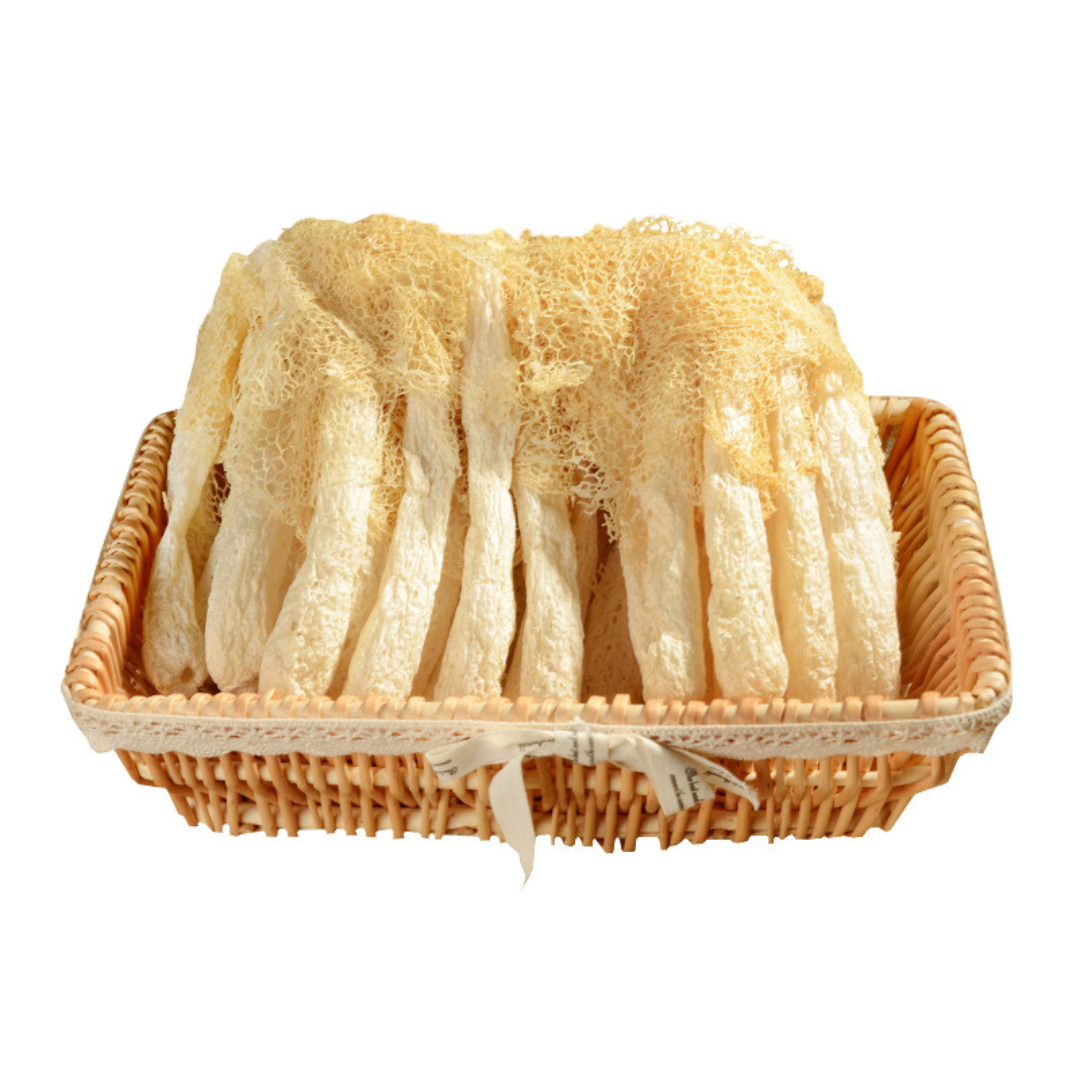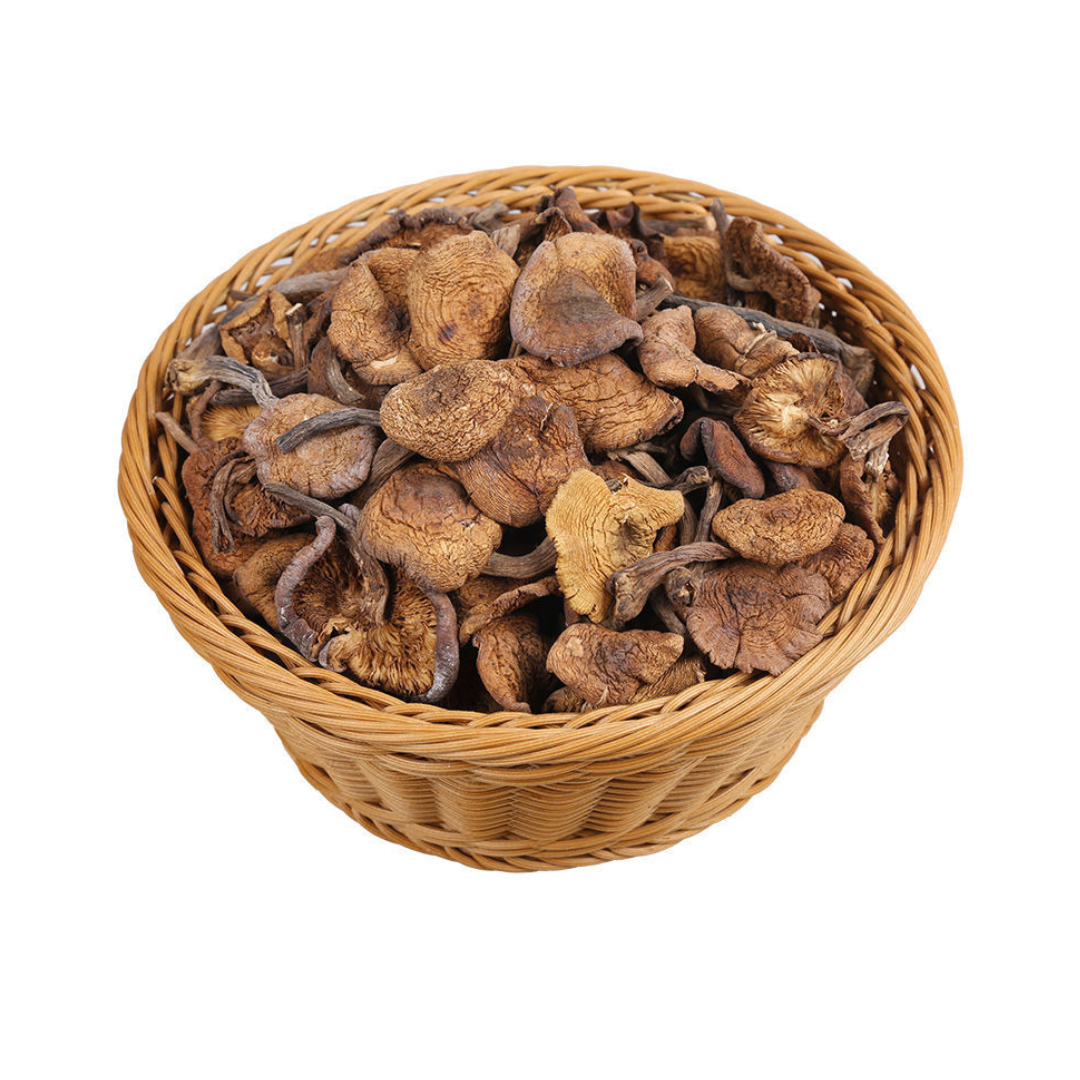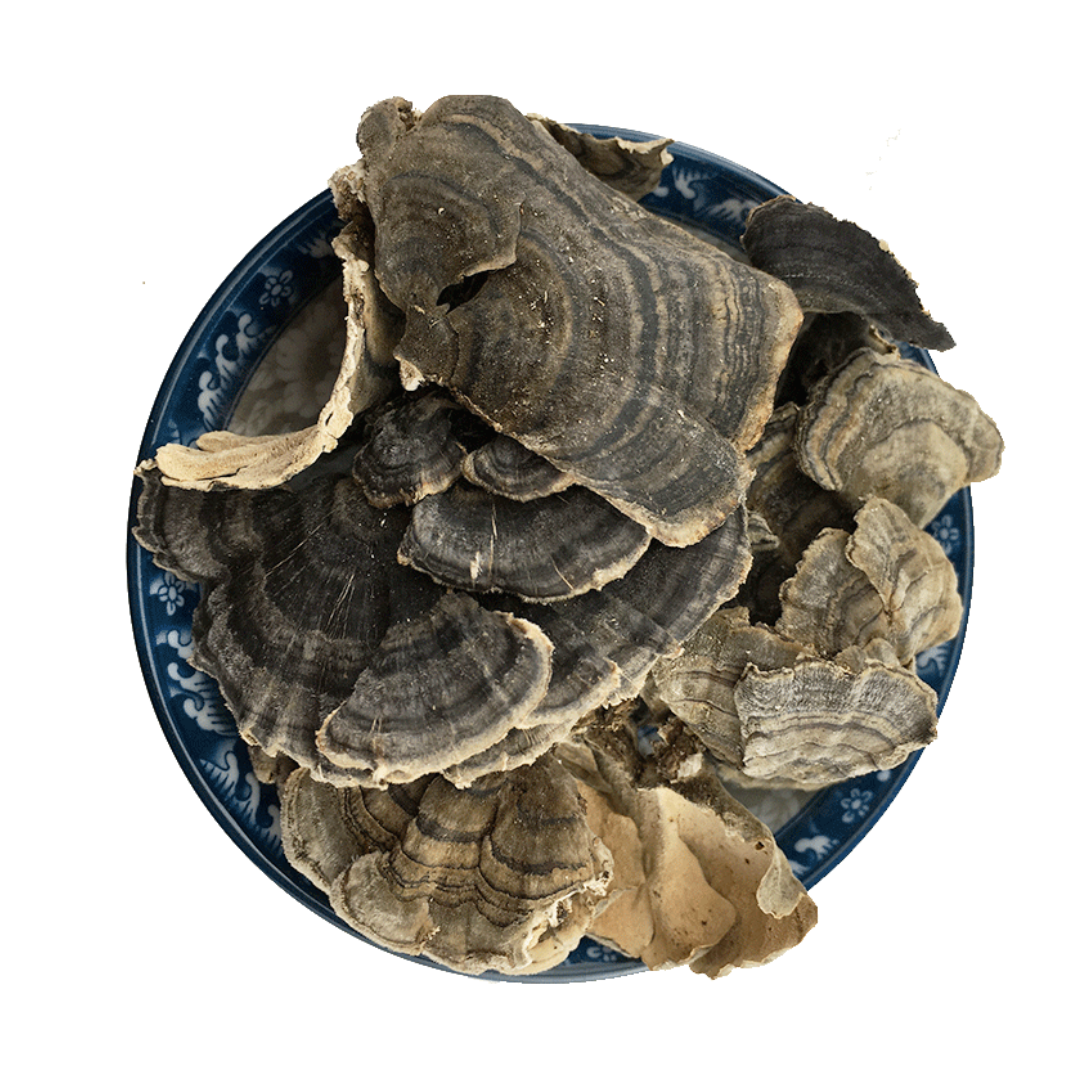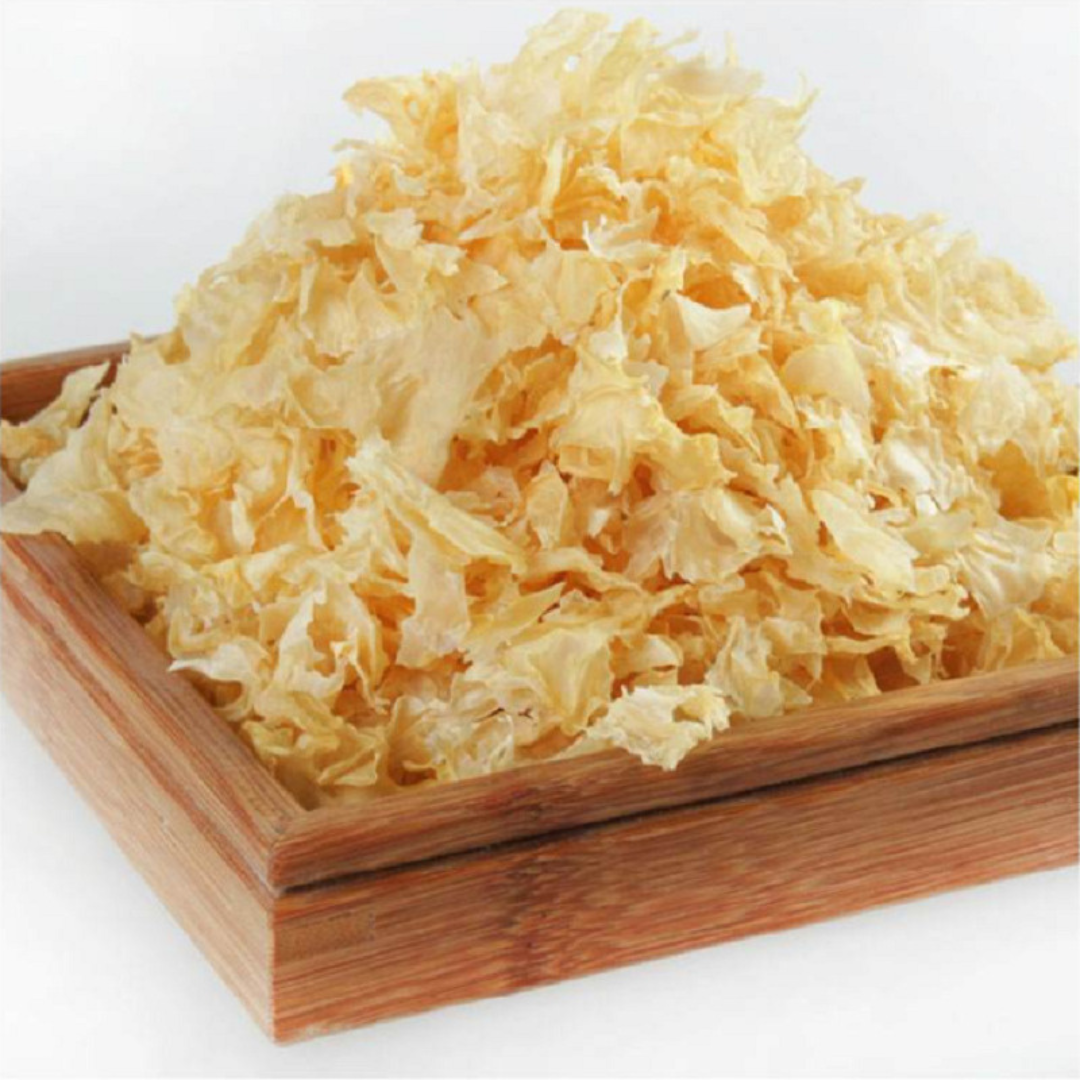


Product Introduction
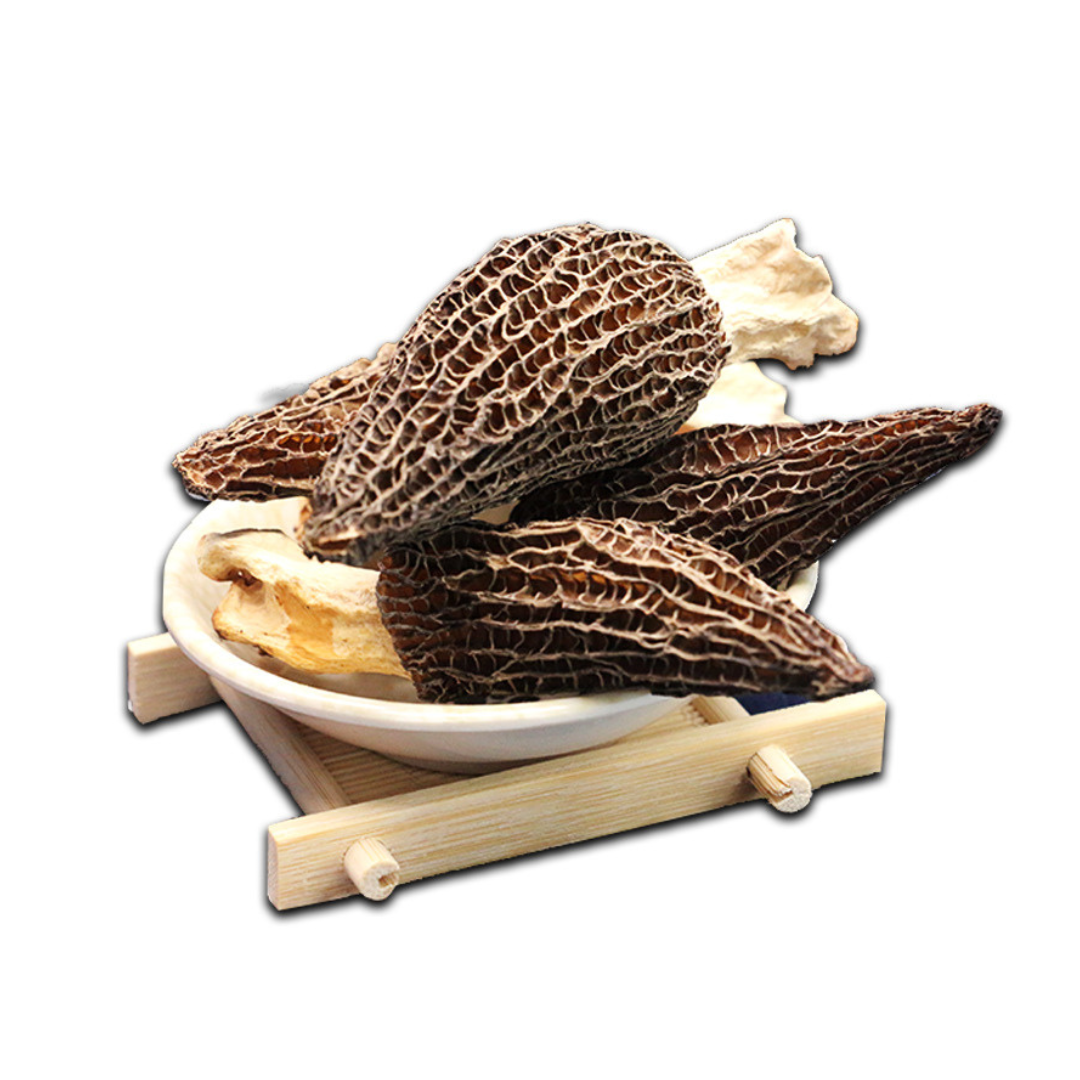
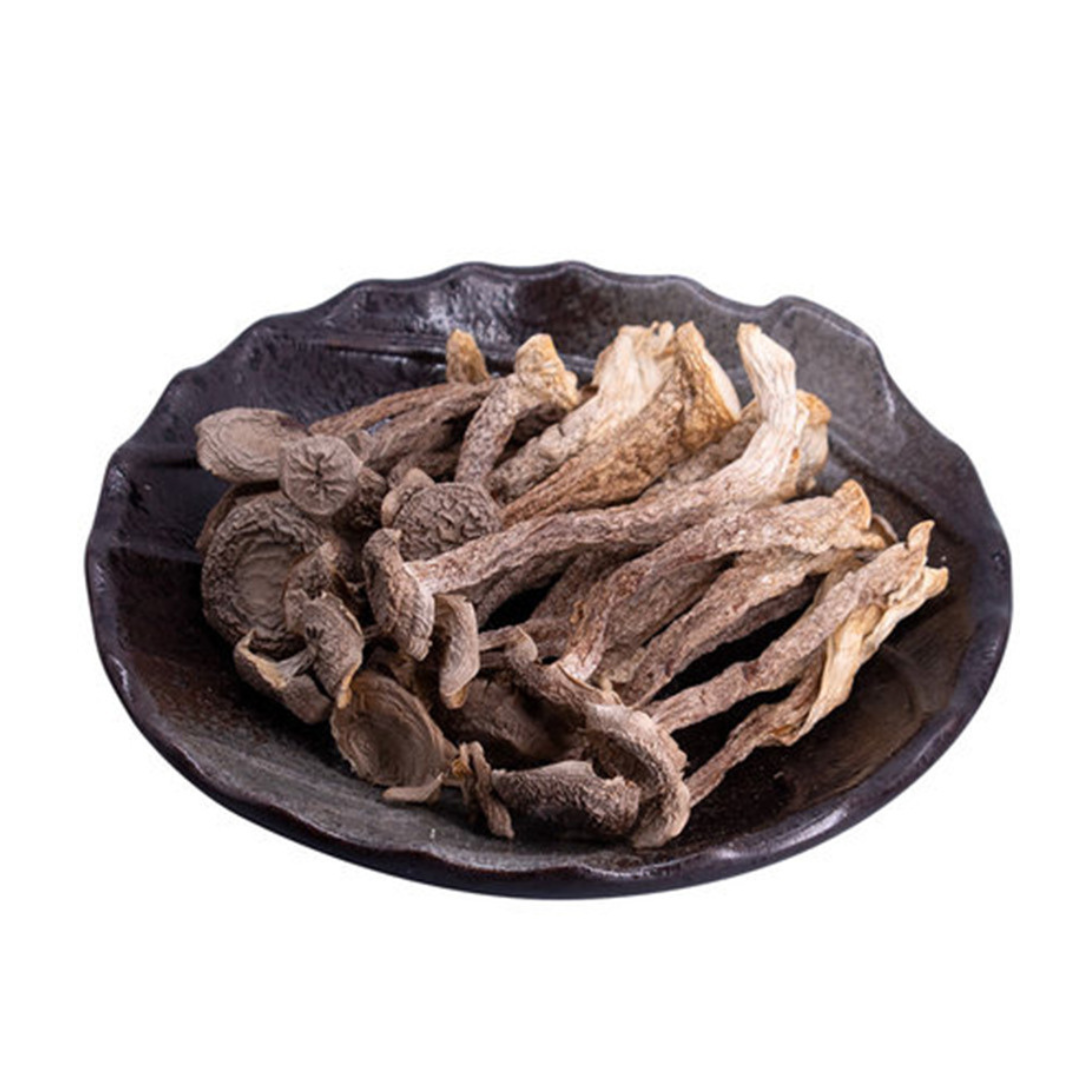
Dehydrated velvet fungus, also known as enoki mushroom, is a versatile ingredient derived from Flammulina velutipes, a mushroom species popular in East Asian cuisine. The dehydration process extends the shelf life of the mushroom while concentrating its flavor and nutrients. It is commonly used in various culinary applications, providing both nutritional benefits and unique textural and flavor elements to dishes.
Production Process
The production of dehydrated velvet fungus begins with fresh mushroom cultivation. After harvesting, the mushrooms are thoroughly cleaned to remove any debris. The cleaned mushrooms are then carefully arranged on trays and placed in industrial drying equipment, where a controlled temperature is gradually applied to remove moisture content, which typically takes several hours. Finally, the dehydrated mushrooms undergo quality checks, are sorted, graded, and packaged for distribution.
Product Applications
Dehydrated velvet fungus finds applications in a variety of food products:
- Adding the ingredient to instant noodle soups enhances the broth's flavor profile.
- The ingredient is incorporated into dried soup mixes, imparting an umami flavor and unique texture once rehydrated.
- The dehydrated form can be ground into a powder and used as a seasoning for snacks, providing a savory flavor.
- Using this in ready-to-eat meals such as dehydrated rice dishes brings greater flavor and nutritional diversity to the product.
Packaging and Storage
Proper packaging and storage are critical to maintaining the quality of dehydrated velvet fungus. It is typically packaged in airtight, moisture-proof containers or bags. These containers prevent moisture absorption, which can lead to spoilage and loss of flavor. The product should be stored in a cool, dry place away from direct sunlight and heat sources. Under these conditions, dehydrated velvet fungus can maintain its quality for an extended period, generally up to 12-18 months.
Citations
- Chang, S. T., & Miles, P. G. (2004). Mushrooms: Cultivation, nutritional value, medicinal effect, and environmental impact. CRC press.
- Hobbs, C. (1995). Medicinal mushrooms: An exploration of tradition, healing, & culture. Botanica Press.
- খাদ্য বিজ্ঞান ও প্রযুক্তি ইনস্টিটিউট. (n.d.). Enoki.

As a sales manager, I’m here to make sure you get exactly what you need for your dietary supplements. From sourcing to delivery, I’m always by your side, ensuring smooth and friendly service. Let’s make your products even better! 🥰🌿