

Product Introduction
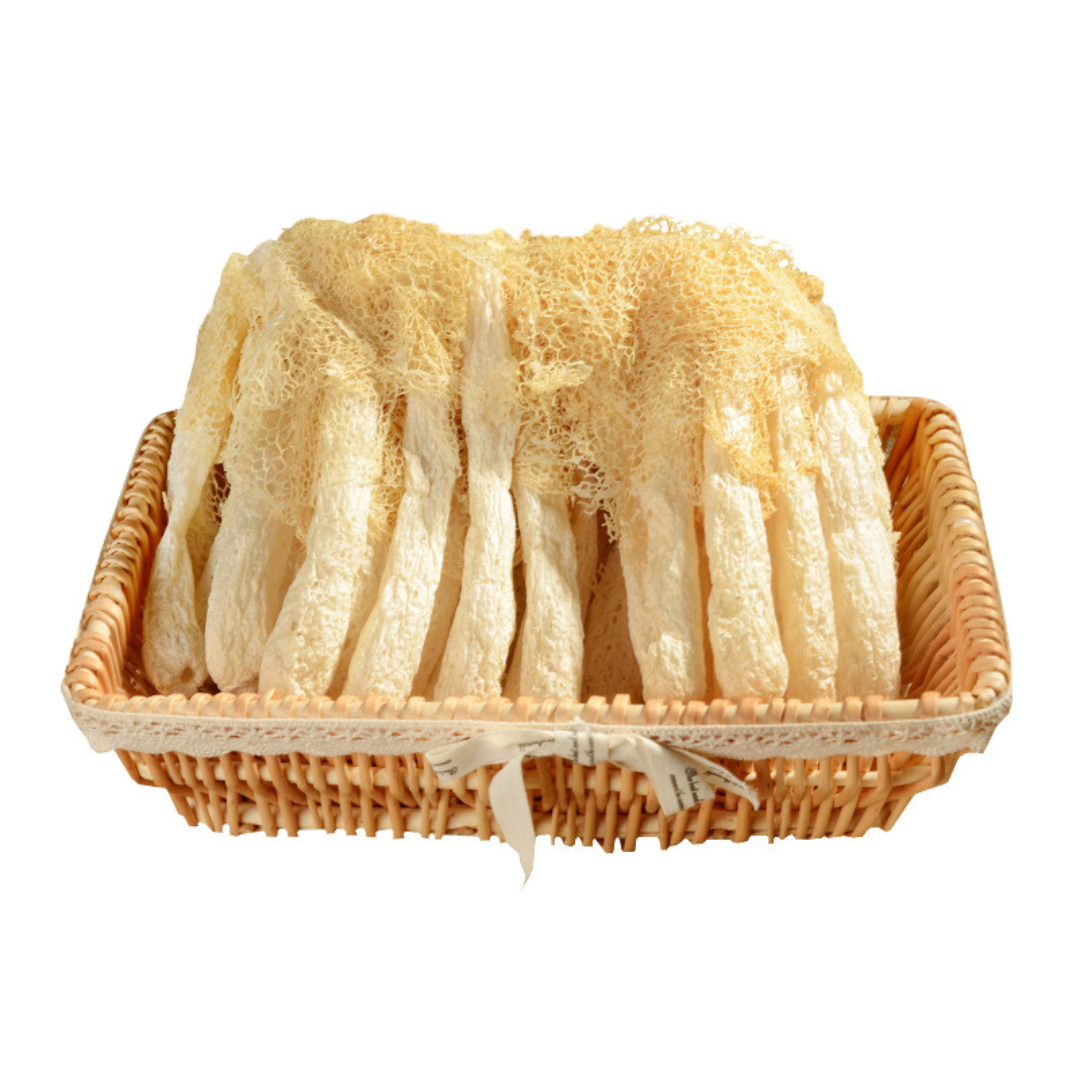
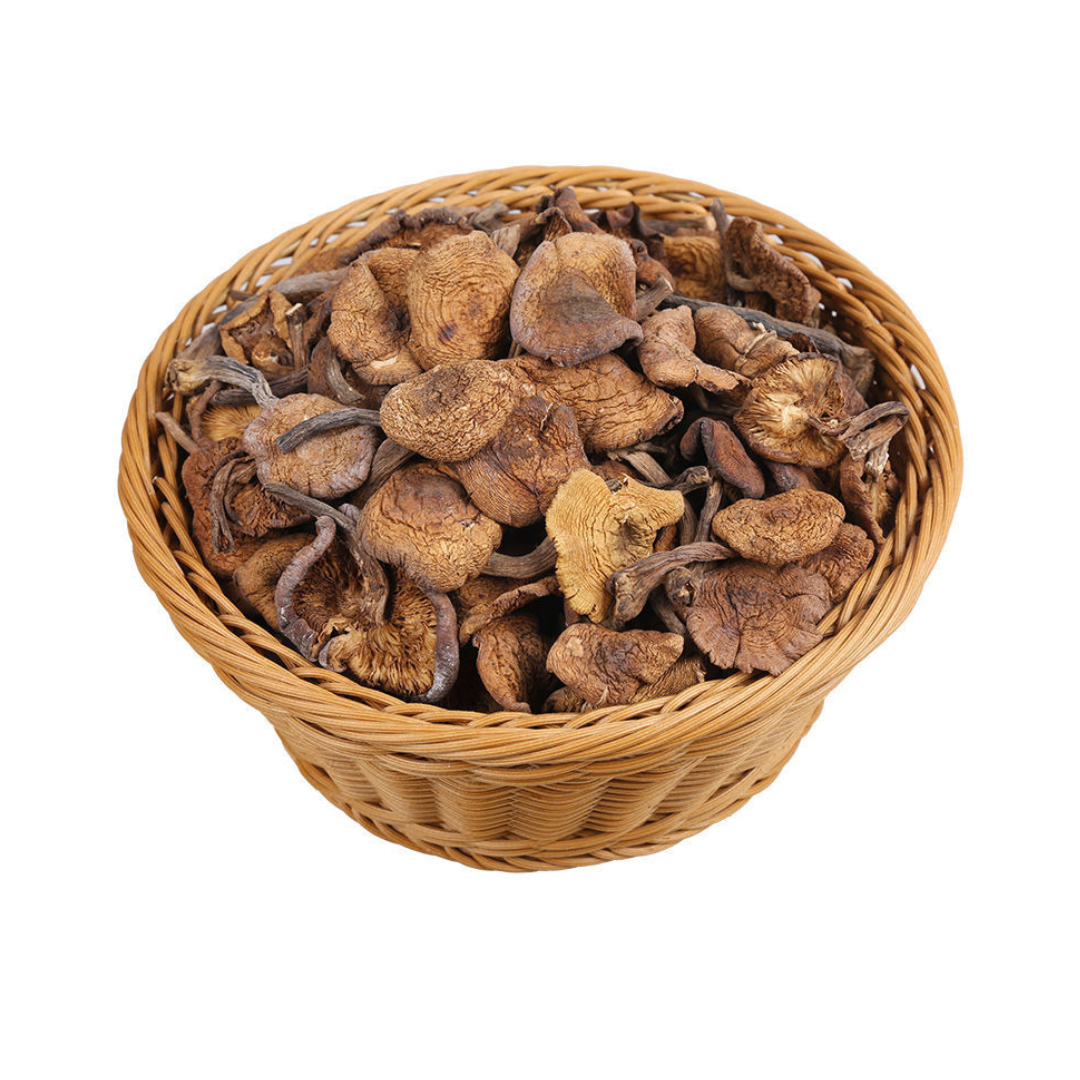
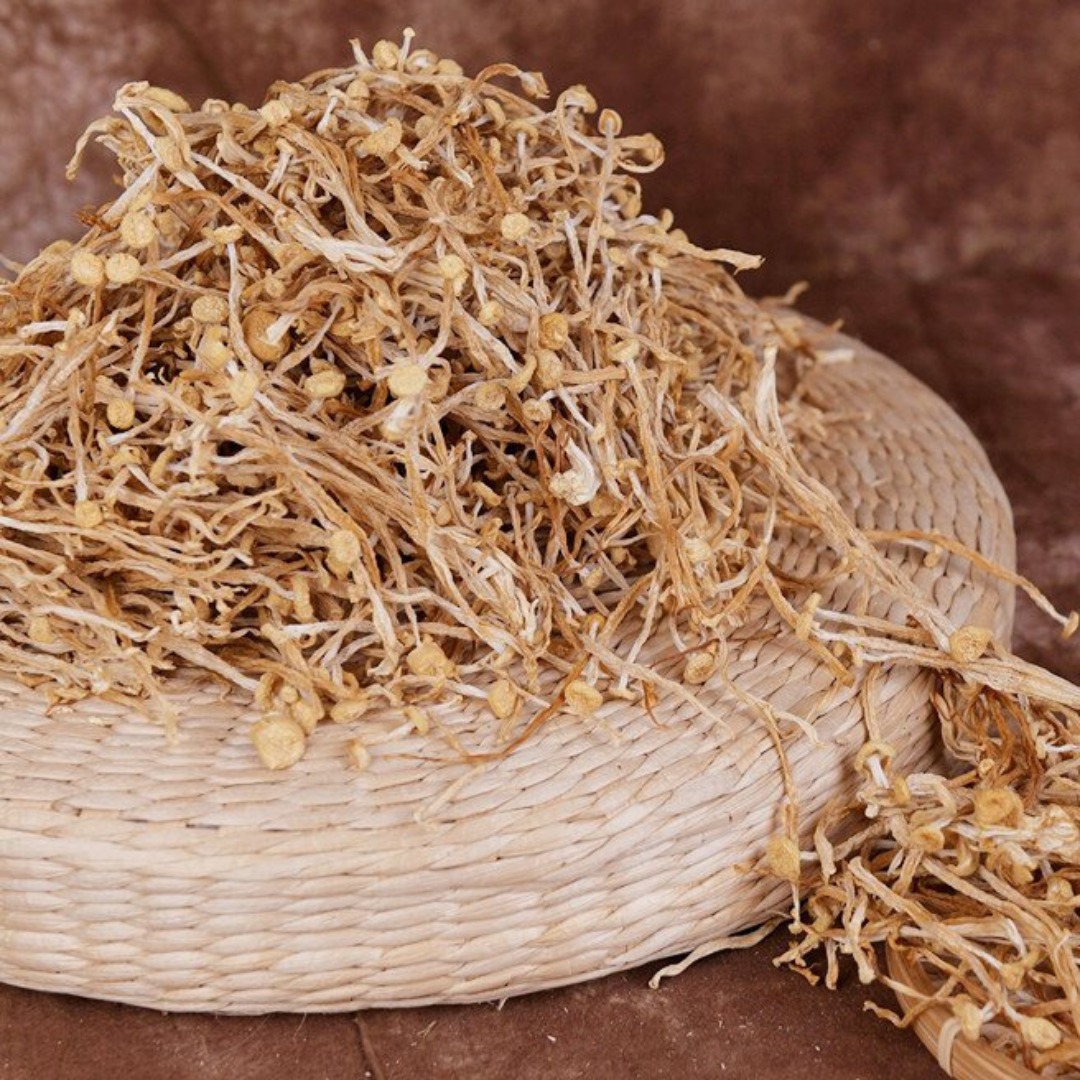
The dehydrated white shimeji mushroom is derived from the fresh Hypsizygus tessellatus, a mushroom native to East Asia. It is prized for its umami flavor and firm texture, which remains even after dehydration and rehydration. The dehydration process concentrates the inherent flavors, making it a versatile ingredient in various culinary applications [1]. White shimeji mushrooms are known for their nutritional profile, including B vitamins, selenium, and dietary fiber [2]. Dehydration extends the shelf life of the mushroom, making it accessible year-round and reducing food waste.
Production Process
The production of dehydrated white shimeji mushrooms begins with the selection of fresh, high-quality mushrooms. After harvesting, the mushrooms are cleaned to remove any substrate or debris. The mushrooms may be sliced or kept whole depending on the desired final product. Blanching is often employed as a pre-treatment step to inactivate enzymes that can cause browning and degradation during drying [3]. Hot air drying is a common method, where the mushrooms are spread on trays and exposed to controlled temperatures (typically between 50-70°C) until the moisture content is reduced to below 13%. This inhibits microbial growth and enzymatic activity, ensuring a stable product. After drying, the mushrooms are sorted, inspected, and packaged to prevent moisture re-absorption and contamination.
Product Applications
Dehydrated white shimeji mushrooms can be incorporated into a variety of dishes. Rehydration is typically required, which can be achieved by soaking the mushrooms in warm water for 15-20 minutes. The rehydrated mushrooms can then be added to soups, stews, and sauces to impart a rich umami flavor. They are also suitable for stir-fries, pasta dishes, and risotto, and their firm texture holds up well during cooking [4]. The dehydrated form is useful in dry mixes, such as instant noodle cups and soup packets, where they rehydrate upon the addition of hot water. Additionally, the powder from the dehydrated mushrooms can be used as a natural flavor enhancer in various savory products [5].
Packaging and Storage
Proper packaging and storage are critical for maintaining the quality and shelf life of dehydrated white shimeji mushrooms. The mushrooms should be packaged in airtight containers or moisture-proof bags to prevent rehydration. The packaging material should also protect against light, which can degrade the product over time. Ideal storage conditions include a cool, dry place, away from direct sunlight and strong odors [6]. The recommended storage temperature is below 20°C. Under these conditions, dehydrated white shimeji mushrooms can maintain their quality for up to 12 months. Regular inspection for signs of moisture absorption or spoilage is advised to ensure product safety and quality.
Citations
[1] Chang, S. T., & Miles, P. G. (2004). Mushrooms: Cultivation, nutritional value, medicinal effect, and environmental impact. CRC press.
[2] Mattila, P., Piironen, V., Uusi-Rauva, E., & Koivistoinen, P. (2001). Chита in common mushrooms cultivated in Finland. Journal of Agricultural and Food Chemistry, 49(5), 2343-2348.
[3] Fellows, P. J. (2009). Food processing technology: Principles and practice. Woodhead Publishing.
[4] Riaz, M. N. (2006). Halal food production. CRC press.
[5] McGee, H. (2004). On food and cooking: The science and lore of the kitchen. Scribner.
[6] Robertson, G. L. (2010). Food packaging: Principles and practice. CRC press.

As a sales manager, I’m here to make sure you get exactly what you need for your dietary supplements. From sourcing to delivery, I’m always by your side, ensuring smooth and friendly service. Let’s make your products even better! 🥰🌿