

Product Introduction
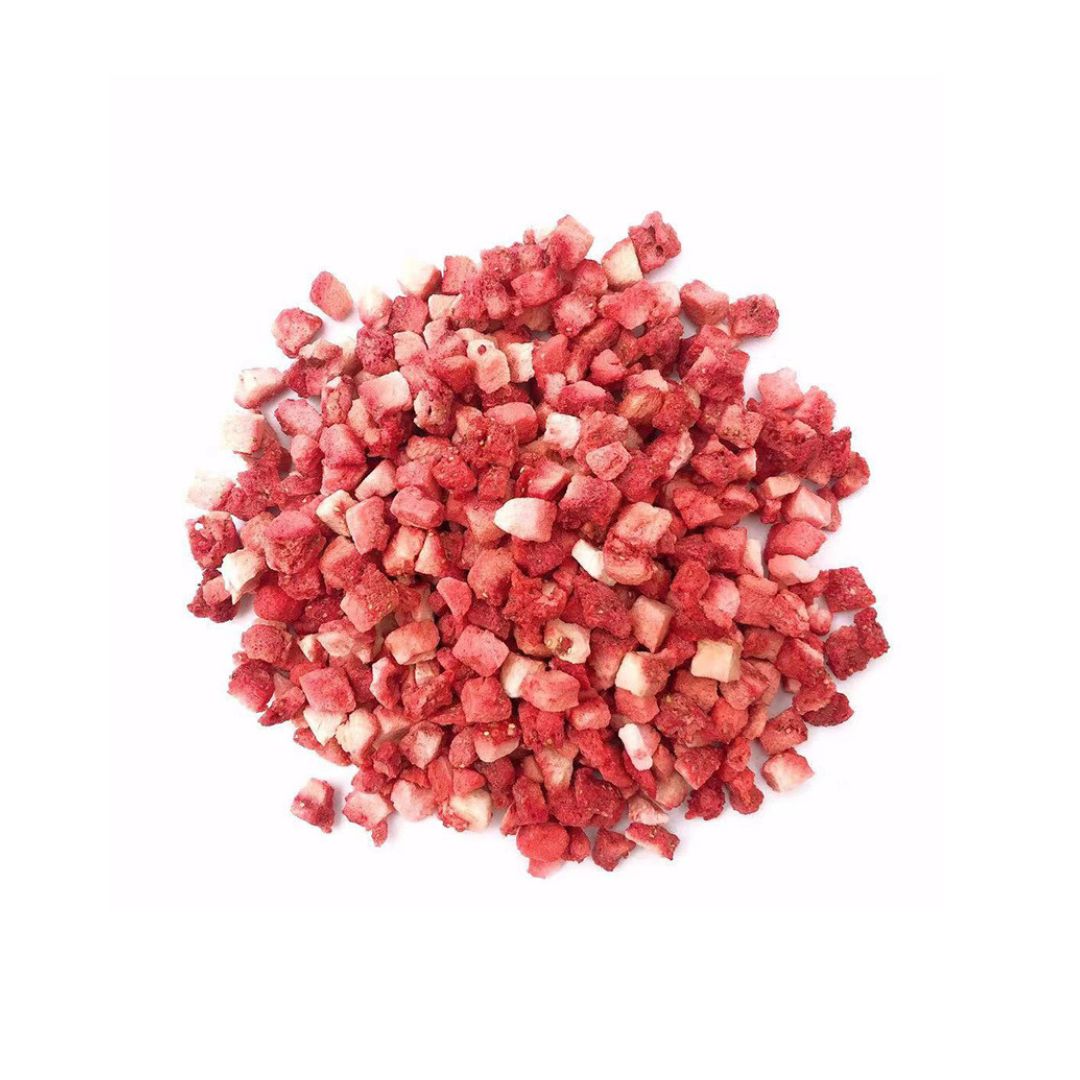
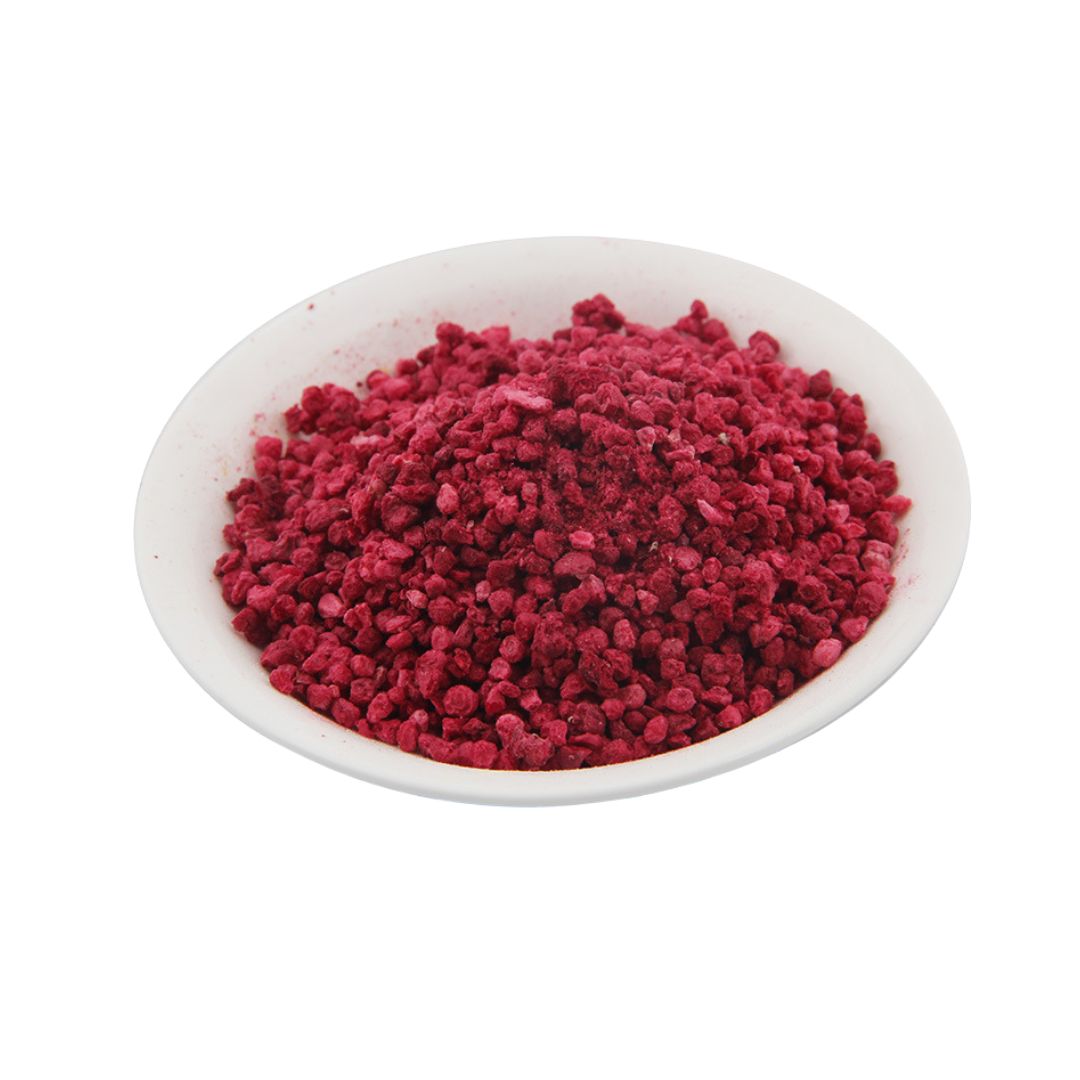
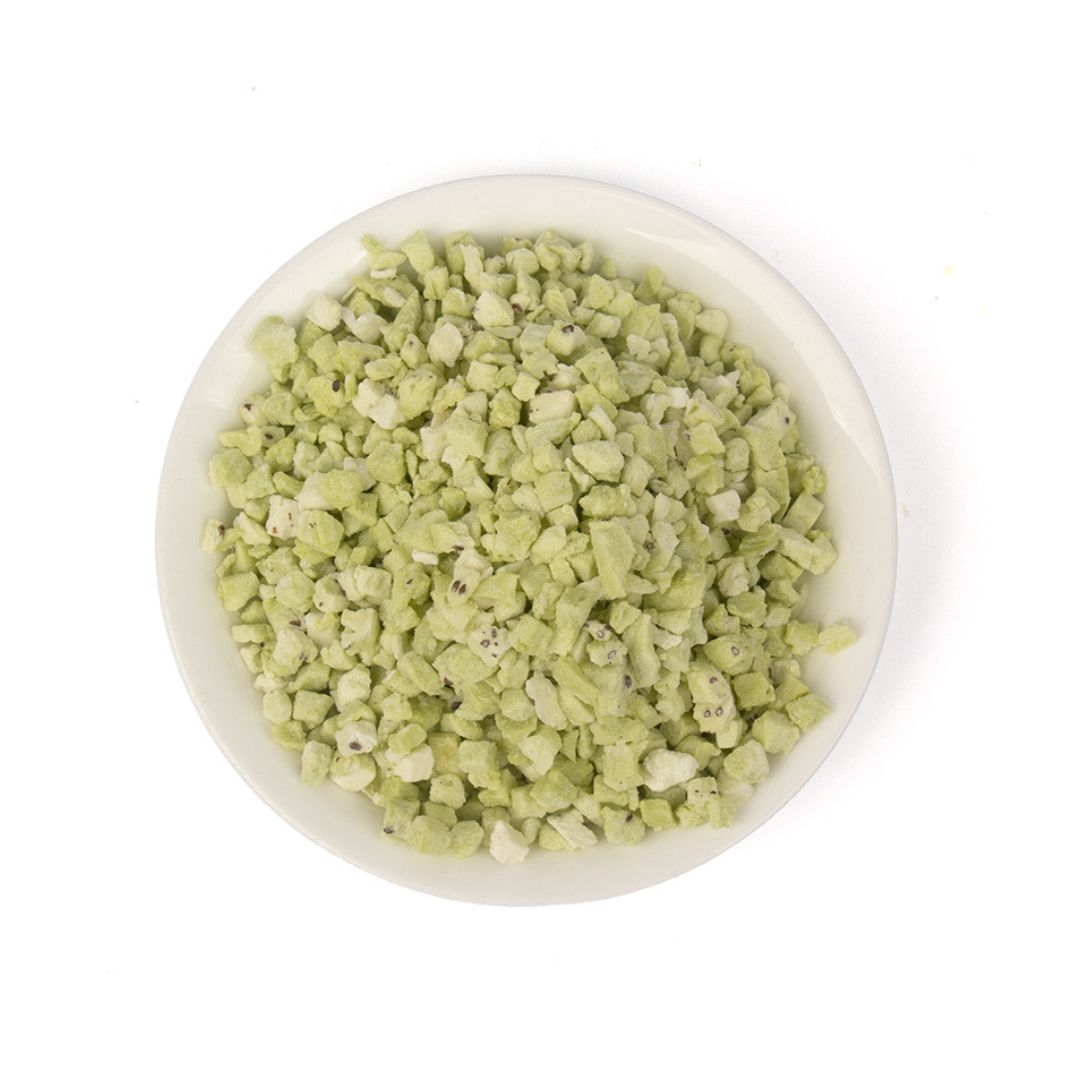
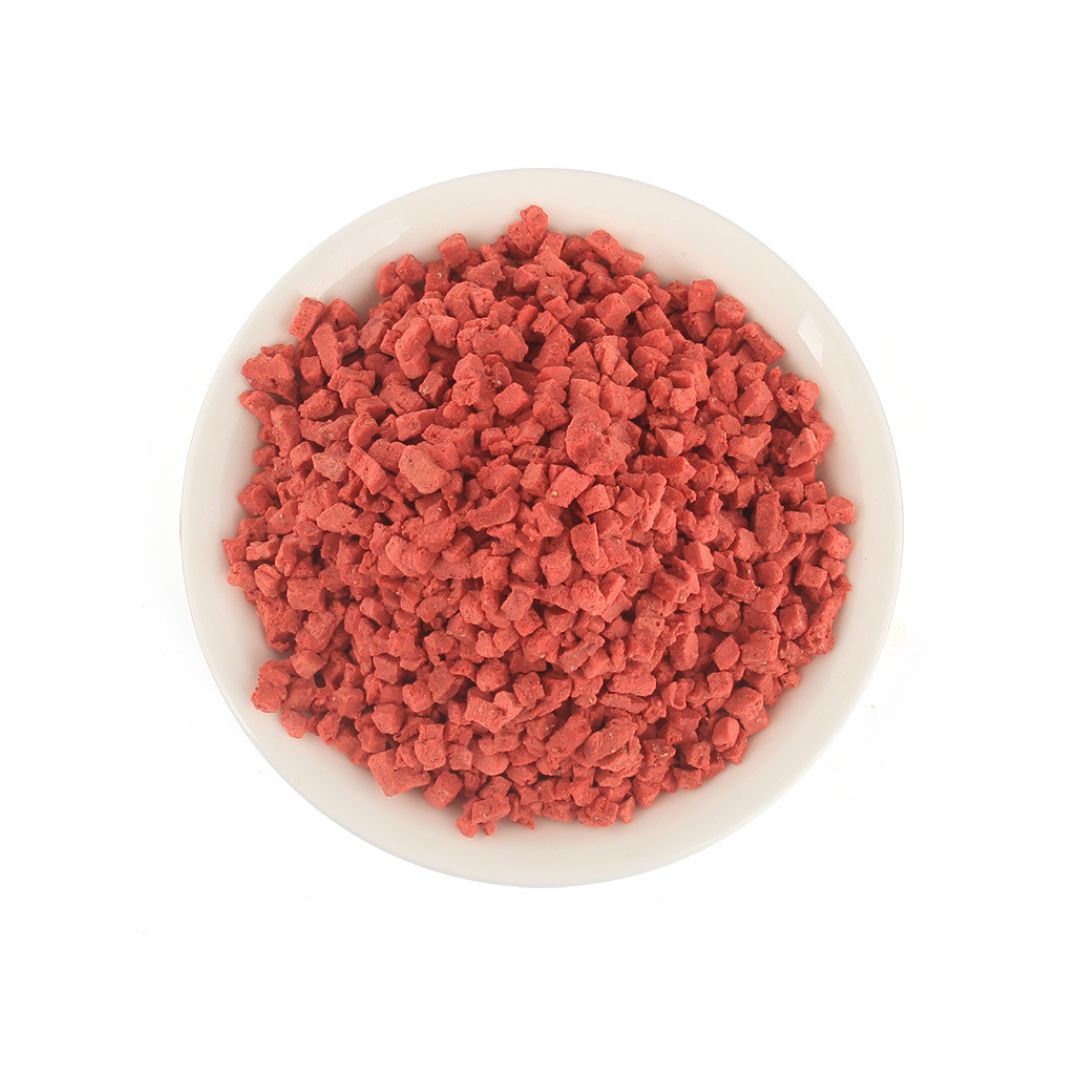
Freeze-dried strawberry pulp cubes, also known as dehydrated strawberry pieces, are a convenient and nutritious snack made from real strawberries. Their vibrant red color and porous texture make them an appealing addition to various foods and beverages. They retain much of the flavor and nutritional value of fresh strawberries, offering a versatile ingredient for health-conscious consumers.
Production Process
The production of freeze-dried strawberry pulp cubes involves a carefully controlled process to preserve the fruit's natural qualities. Fresh strawberries are first selected, washed, and inspected. The strawberries are then pureed into a pulp and formed into small cubes. These cubes are rapidly frozen, and then placed in a freeze-drying chamber where the water is removed through a sublimation process, converting the ice directly into vapor. This process preserves the cell structure of the strawberry, retaining its flavor, color, and nutrients [1]. Finally, the freeze-dried cubes are packaged to protect them from moisture and air.
Nutritional Composition Table
| Nutrient | Amount per 100g |
|---|---|
| Calories | ~330 kcal |
| Carbohydrates | ~75g |
| Fiber | ~13g |
| Vitamin C | ~150mg |
| Potassium | ~700mg |
| Antioxidants (Total) | High |
Note: Nutritional values may vary based on the specific strawberry variety and processing methods.
Product Benefits and Functions
Freeze-dried strawberry pulp cubes offer several potential health benefits. They are a rich source of vitamin C, which is known to support the immune system and promote skin health [2]. The high antioxidant content helps combat oxidative stress, protecting cells from damage caused by free radicals [3]. Additionally, the dietary fiber in strawberries supports digestive health and promotes a feeling of fullness.
Product Application Scenarios
These freeze-dried cubes are versatile and can be used in a variety of applications. They can be enjoyed as a healthy snack straight from the bag. They can also be added to breakfast cereals, yogurt, and oatmeal for a boost of flavor and nutrition. Bakers can incorporate them into muffins, cakes, and cookies. The cubes can be rehydrated and used in smoothies, juices, and other beverages.
Botanical Source
The strawberries used to produce these cubes typically come from Fragaria × ananassa, which is the common garden strawberry [4]. This species is cultivated worldwide for its fruit, which is prized for its flavor, aroma, and nutritional value. Strawberries are typically harvested in the spring and summer months.
Packaging and Storage
Freeze-dried strawberry pulp cubes should be packaged in airtight, moisture-proof containers to maintain their quality and prevent spoilage. The packaging should protect the cubes from light, air, and humidity. It is recommended to store the product in a cool, dry place, away from direct sunlight. Under proper storage conditions, freeze-dried strawberries can have a long shelf life, often lasting for several months to a year [5].
Citations:
[1] Ratti, M. (2001). "Hot air and freeze-drying of high-value foods: a review." Journal of Food Engineering, 49(4), 311-319.
[2] Pullar, J. M., Carr, A. C., & Vissers, M. C. M. (2018). "The Roles of Vitamin C in Skin Health." Nutrients, 10(11), 1949.
[3] Giampieri, F., Forbes-Hernández, T. Y., Gasparrini, M., Alvarez-Suarez, J. M., Afrin, S., Bompadre, S., … & Battino, M. (2015). "Strawberry as a health promoter: an evidence-based review." Food & Function, 6(5), 1386-1398.
[4] Hummer, K. E. (2010). "Strawberry species (Fragaria spp.)." Chronica Horticulturae, 50(3), 17-22.
[5] Bhandari, B. R., & Datta, N. (Eds.). (2021). Handbook of Food Preservation (3rd ed.). CRC Press.

As a sales manager, I’m here to make sure you get exactly what you need for your dietary supplements. From sourcing to delivery, I’m always by your side, ensuring smooth and friendly service. Let’s make your products even better! 🥰🌿