

Product Introduction
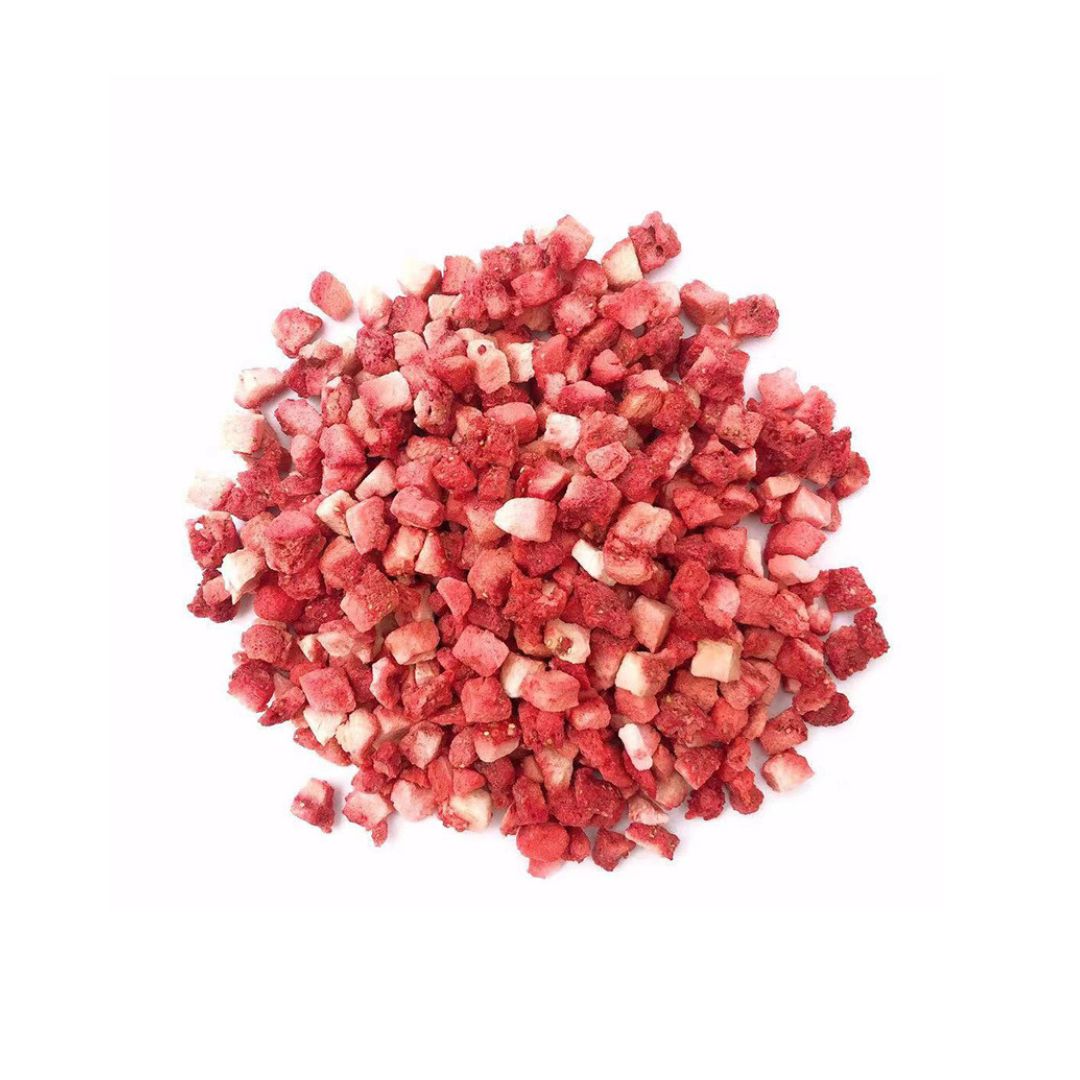
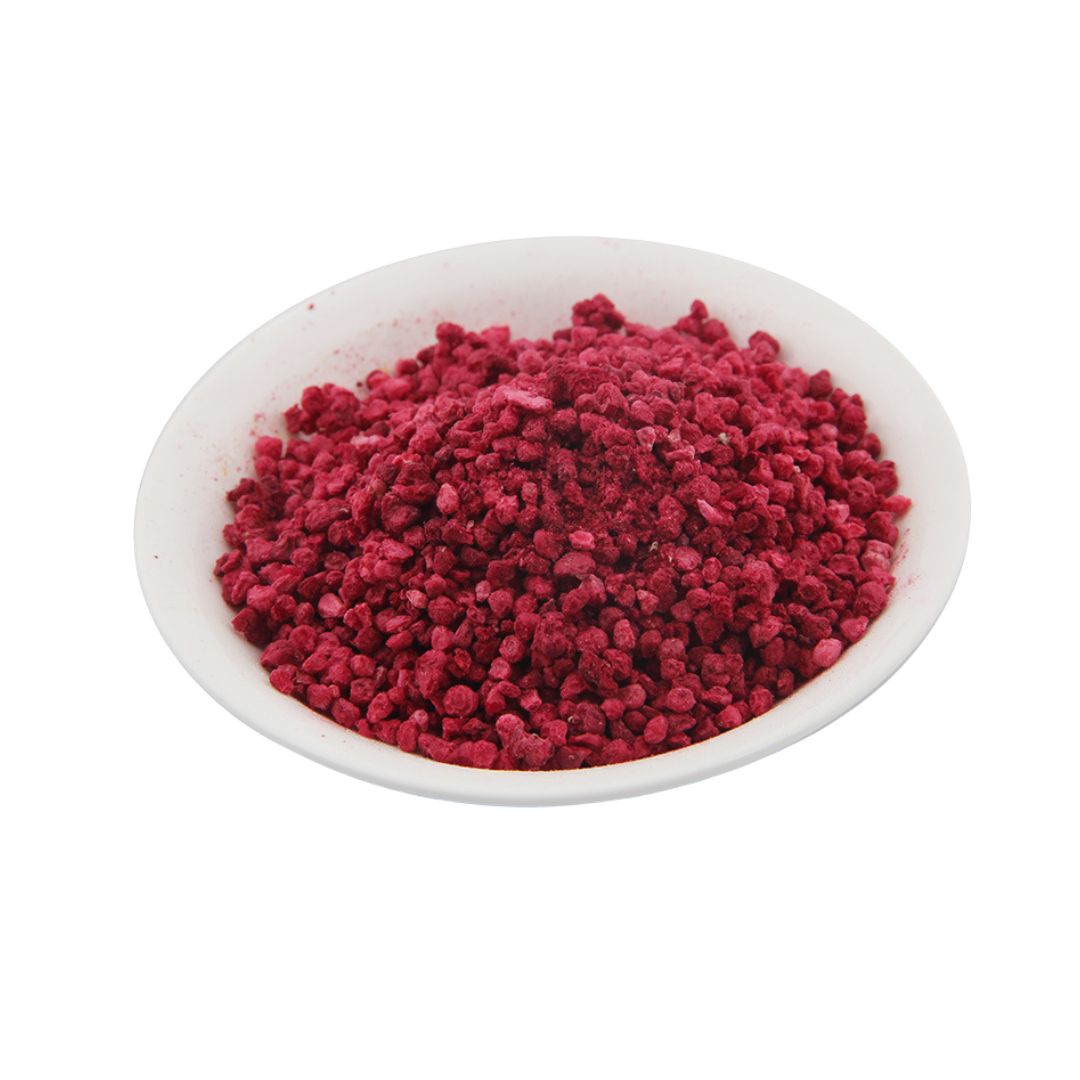
Freeze-dried raspberry cubes offer a shelf-stable alternative to fresh raspberries, preserving their natural flavor, color, and nutritional benefits. This process removes moisture from the raspberries, resulting in a light, crispy texture. They are suitable for various applications, providing a convenient way to incorporate raspberries into the diet, year-round.
Production Process
The production of freeze-dried raspberry cubes begins with the selection of fresh, ripe raspberries. The raspberries are washed and inspected for quality, then frozen. Once frozen, the raspberries are placed in a freeze-drying chamber where the moisture is sublimated, which means it transitions directly from a solid to a gas without passing through a liquid phase. This process preserves the cellular structure of the fruit, retaining its nutrients and flavor. After freeze-drying, the raspberries are cut into cube-shaped pieces and packaged.
Nutritional Composition Table
| Nutrient | Amount per 100g |
|---|---|
| Calories | 329 kcal |
| Carbohydrates | 73.21 g |
| Dietary Fiber | 31.5 g |
| Sugars | 36.78 g |
| Fat | 1.29 g |
| Protein | 6.45 g |
| Vitamin C | 63 mg |
| Manganese | 2.4 mg |
Source: USDA FoodData Central
Product Benefits and Functions
Freeze-dried raspberry cubes are rich in Vitamin C, an essential nutrient that supports immune function and acts as an antioxidant, protecting the body against free radicals [1]. The high fiber content in raspberries promotes digestive health, aiding in regular bowel movements and preventing constipation [2]. Raspberries contain antioxidants, such as anthocyanins, which have been linked to reducing the risk of chronic diseases, including heart disease and cancer [3]. Manganese, another nutrient found in freeze-dried raspberries, plays a role in bone health and energy metabolism [4].
Product Application Scenarios
Freeze-dried raspberry cubes can be added to breakfast cereals, oatmeal, or yogurt for a boost of flavor and nutrition. They can be blended into smoothies, offering a convenient way to increase fruit intake. As a snack, these cubes provide a healthy alternative to processed sweets. In baking applications, they can be incorporated into muffins, cakes, or cookies. For trail mixes, they add a fruity component.
Botanical Source
Raspberries, belonging to the genus Rubus, are native to Europe and Asia. Rubus idaeus is the most common species cultivated for commercial production. Raspberries thrive in temperate climates with well-drained soil and are typically harvested in the summer months [5].
Packaging and Storage
Freeze-dried raspberry cubes should be packaged in airtight containers or resealable bags to prevent moisture absorption and maintain their crispness. Store the product in a cool, dry place away from direct sunlight to preserve its quality and extend its shelf life.
Citations
[1] : Pullar, J., Carr, A., & Vissers, M. (2018). The Roles of Vitamin C in Skin Health. Nutrients, 10(8), 1206.
[2] : Anderson, J. W., et al. (1998). Health implications of dietary fiber. Nutrition Reviews, 56(1), 1-18.
[3] : Wallace, T. C. (2011). Anthocyanins in cardiovascular disease. Advances in Nutrition, 2(1), 1-7.
[4] : Aschner, J. L., & Aschner, M. (2005). Nutritional aspects of manganese homeostasis. Molecular Aspects of Medicine, 26(4-5), 353-362.
[5] : Hummer, K. E. (2010). Rubus species germplasm resources in the United States. HortScience, 45(8), 1178-1181.

As a sales manager, I’m here to make sure you get exactly what you need for your dietary supplements. From sourcing to delivery, I’m always by your side, ensuring smooth and friendly service. Let’s make your products even better! 🥰🌿