

Product Introduction
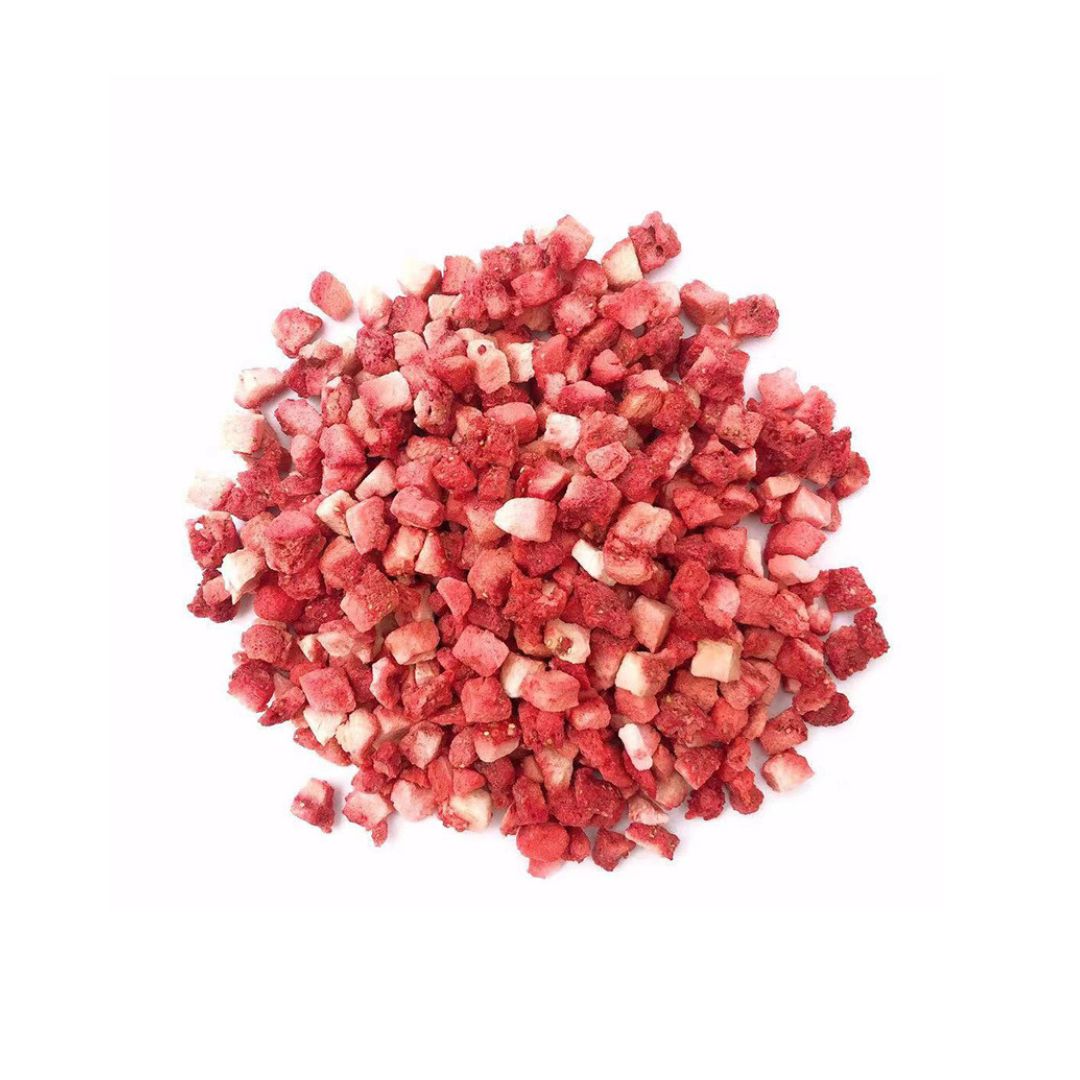
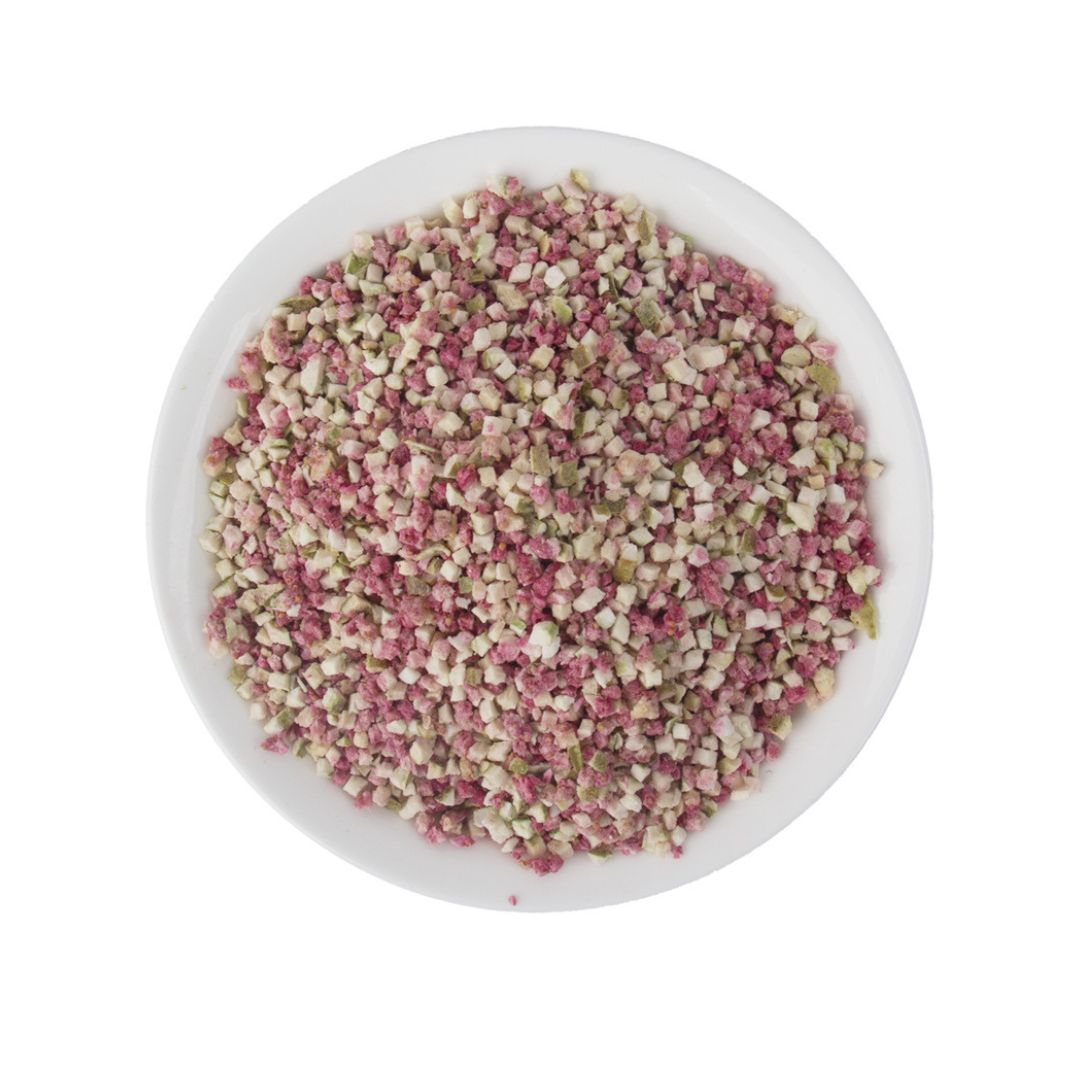
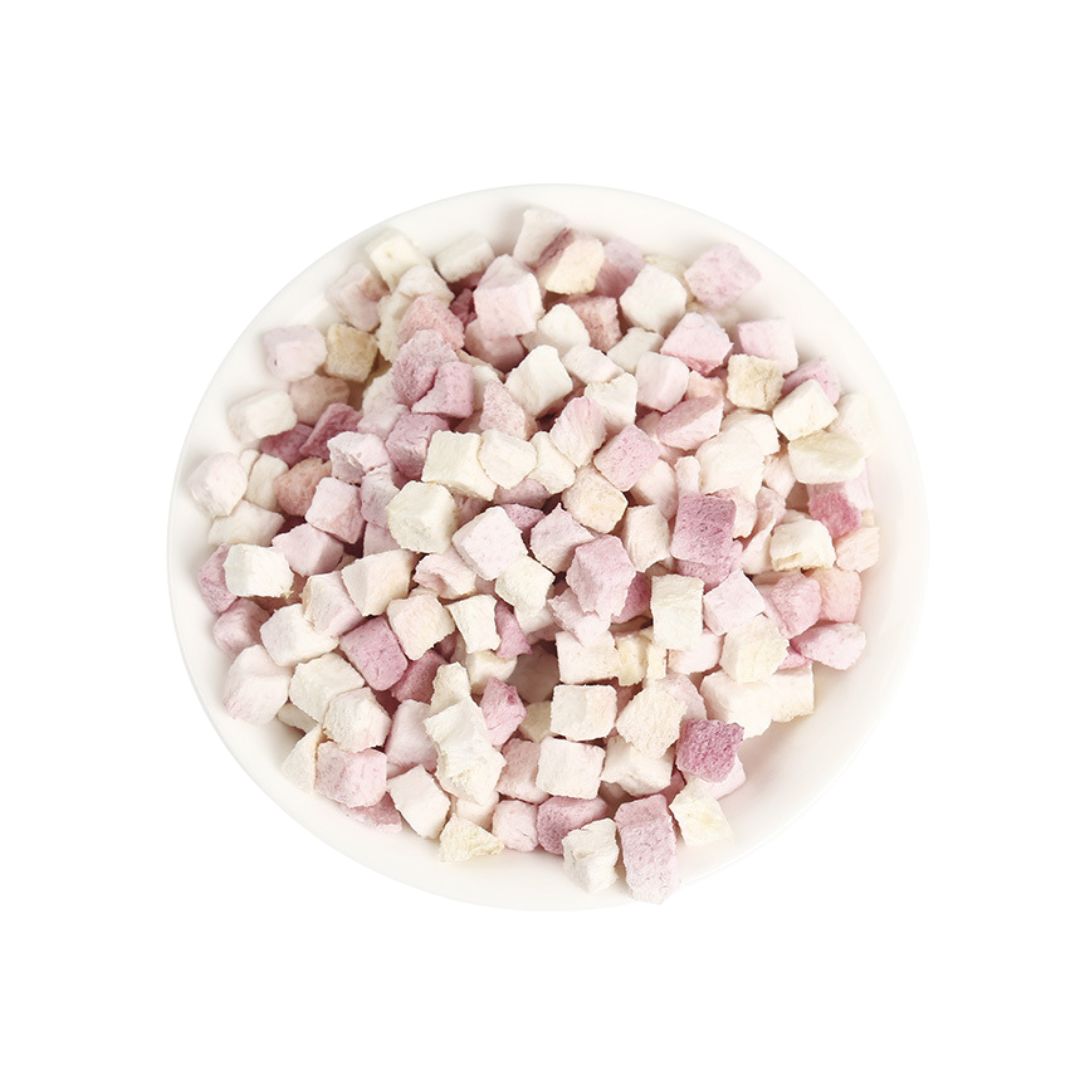
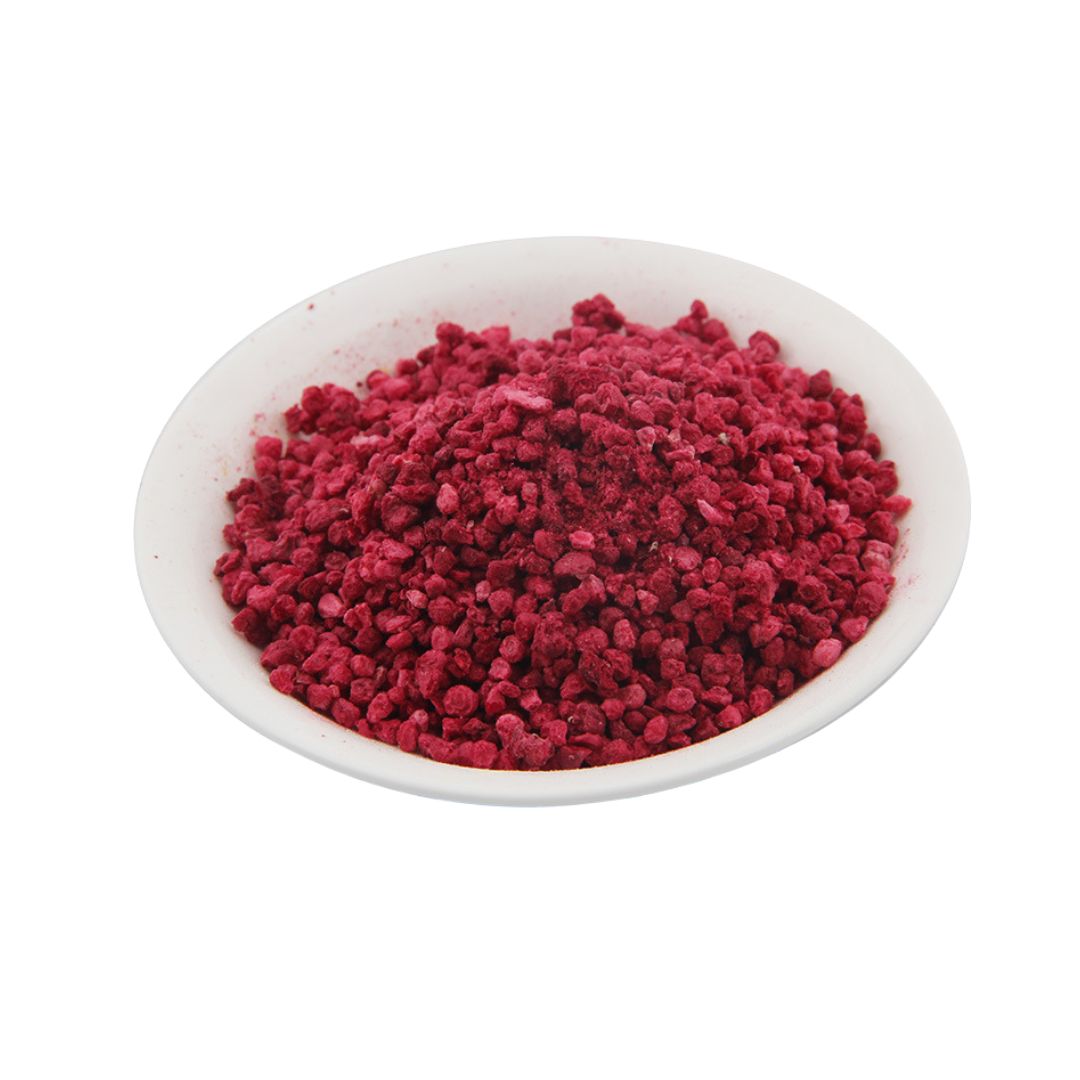
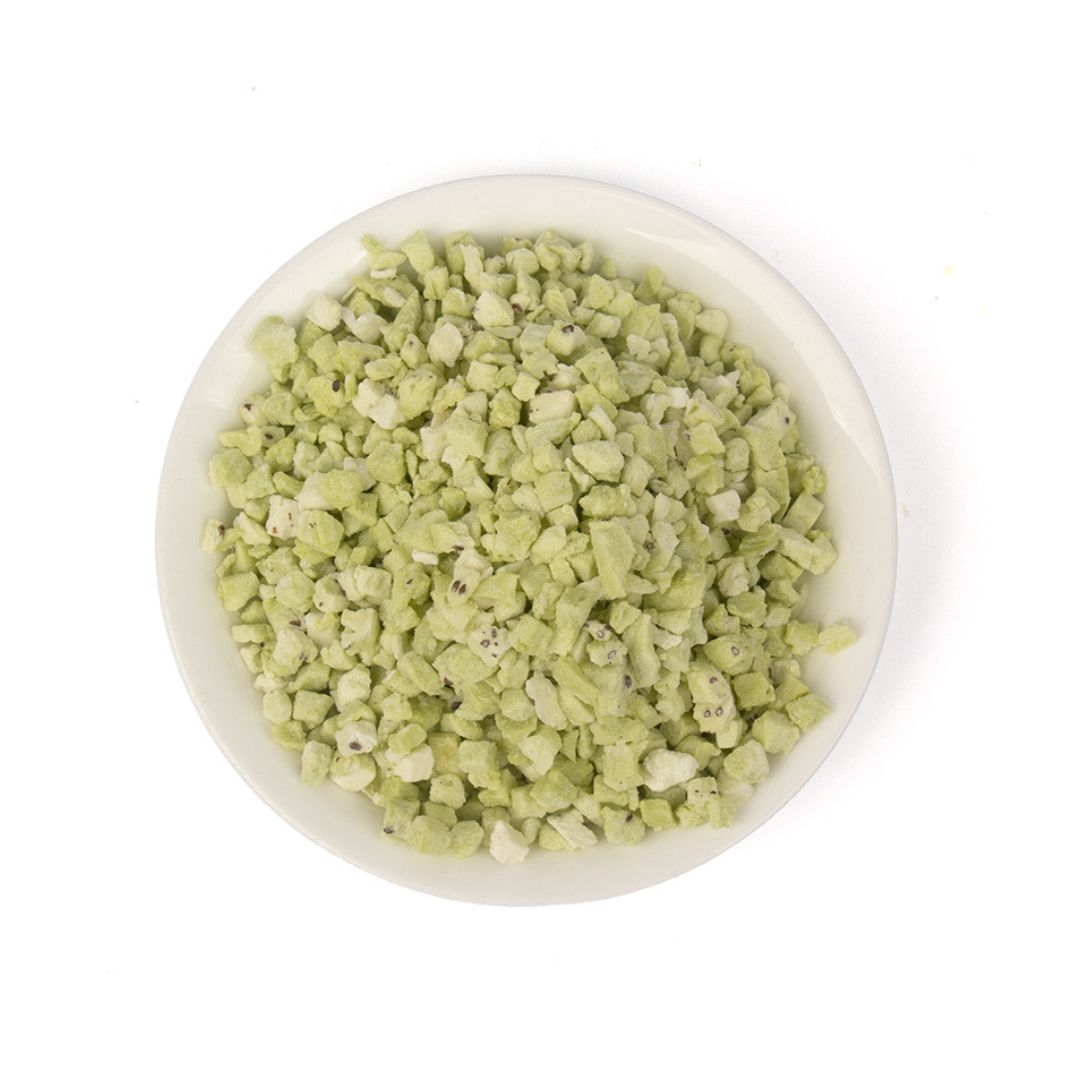
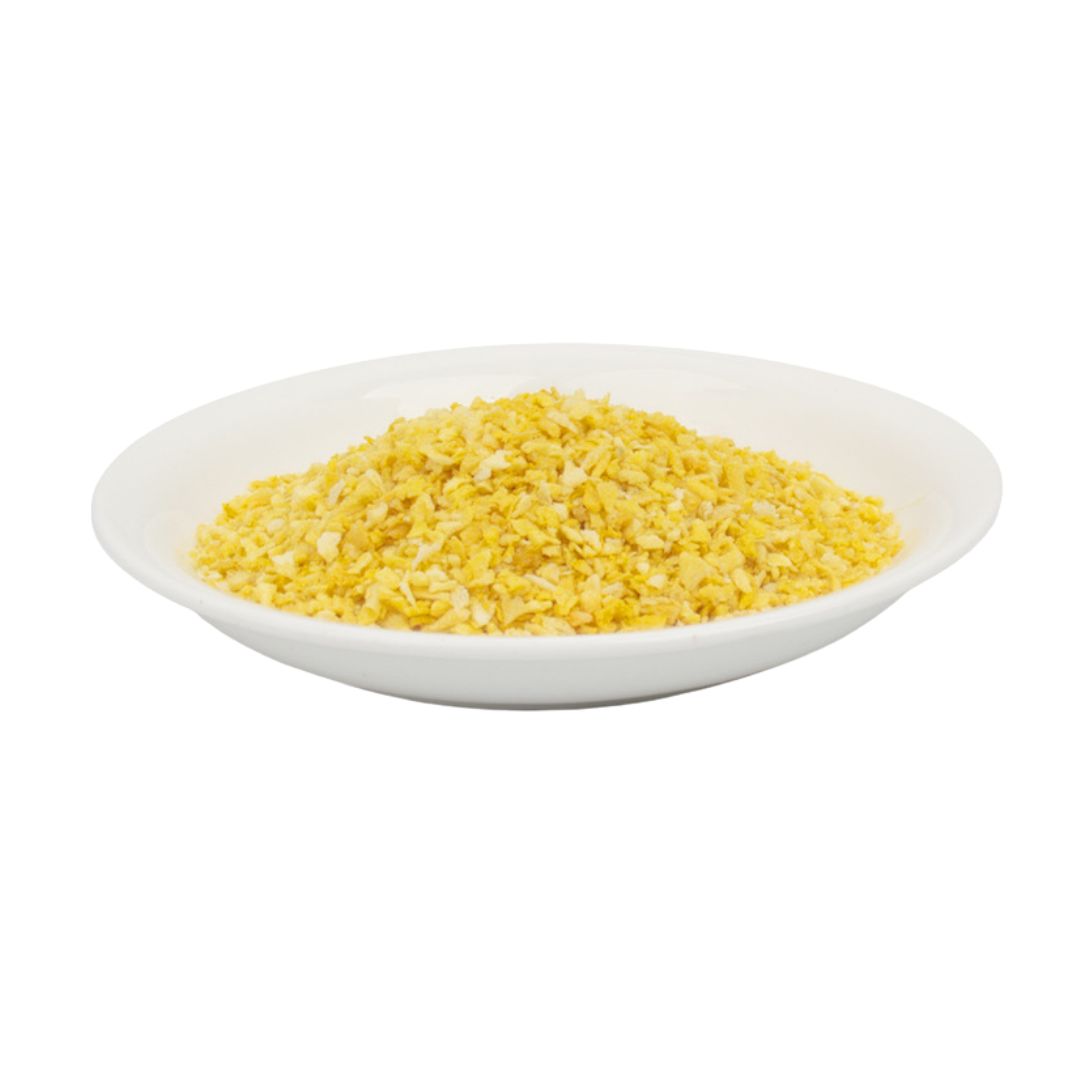
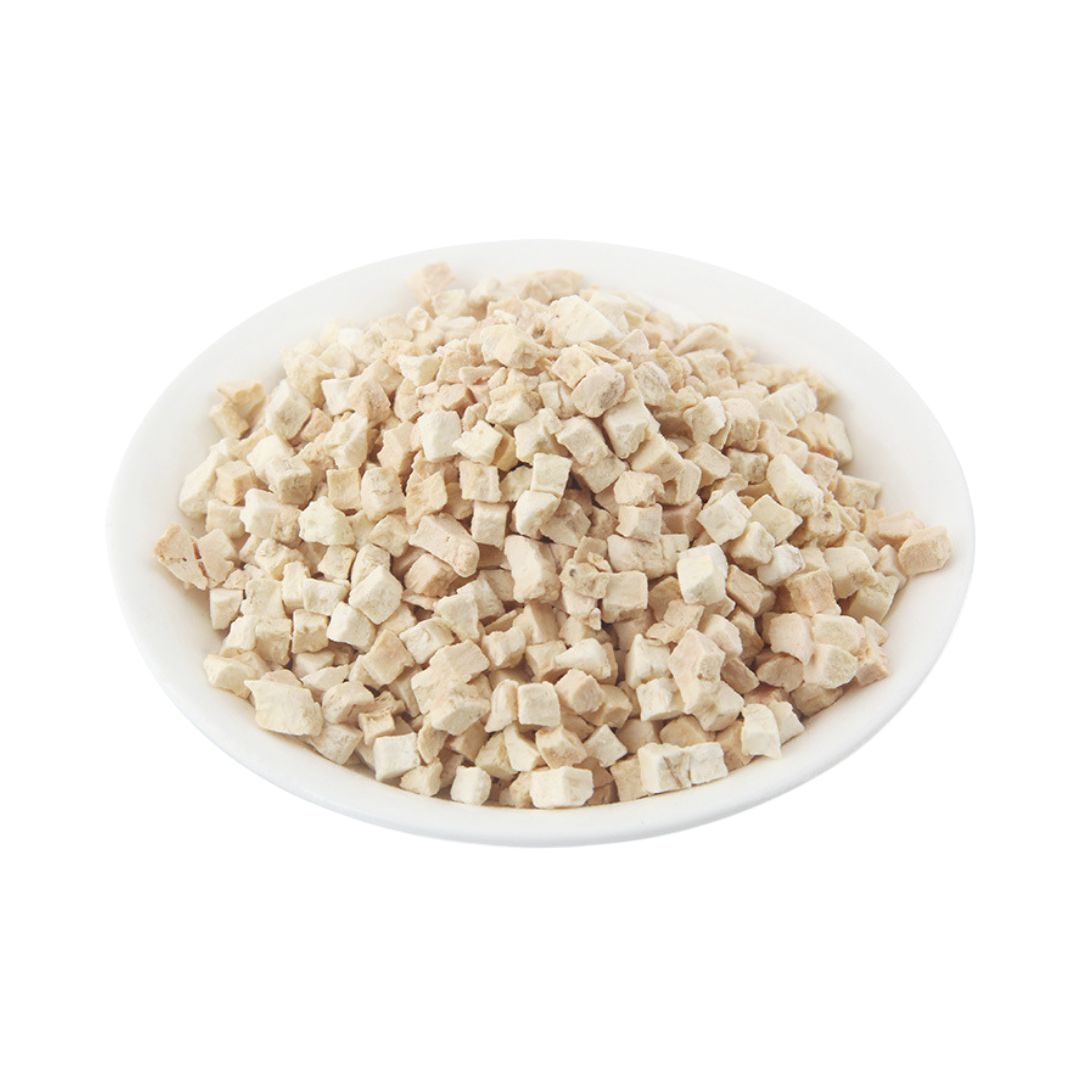
Freeze-dried banana cubes are a convenient and nutritious snack, created through a process that removes water from fresh bananas while retaining their natural flavor, aroma, and nutritional value. This method ensures that the product maintains many of the health benefits of fresh bananas, making it a healthy choice for consumers looking for a quick and easy snack option. The texture is often described as crispy and airy, which differs significantly from the soft, mushy texture of fresh bananas.
Production Process
The production of freeze-dried banana cubes begins with selecting high-quality, ripe bananas. These bananas are peeled, sliced into uniform pieces, and then rapidly frozen. The frozen banana slices are then placed into a freeze-drying chamber, where a vacuum is created. Under this vacuum, the frozen water in the bananas sublimates, transitioning directly from a solid state to a gaseous state, bypassing the liquid phase. This process occurs at low temperatures, which helps preserve the banana's natural compounds. Finally, the freeze-dried banana slices are cut into cubes and packaged to prevent moisture absorption and maintain their crisp texture.
Nutritional Composition Table
| Nutrient | Amount per 100g |
|---|---|
| Calories | 350-400 kcal |
| Protein | 4-5 g |
| Carbohydrates | 80-90 g |
| Fiber | 7-9 g |
| Potassium | 1500-1800 mg |
| Vitamin B6 | 0.5-0.7 mg |
| Vitamin C | 8-10 mg |
| Magnesium | 40-50 mg |
Note: Nutritional values can vary based on the specific banana variety and processing techniques.
Product Benefits and Functions
Freeze-dried banana cubes offer several health benefits. The high potassium content supports healthy blood pressure levels and cardiovascular function. The dietary fiber aids in digestion and promotes a feeling of fullness, which can be beneficial for weight management. The presence of vitamin B6 helps in brain development and function, and improving mood. Vitamin C acts as an antioxidant, supporting the immune system. Additionally, because freeze-drying preserves many of the nutrients found in fresh bananas, these cubes serve as a convenient way to obtain essential vitamins and minerals.
Product Application Scenarios
These freeze-dried banana cubes are versatile and can be incorporated into various dietary applications. They make an excellent standalone snack, offering a healthy alternative to processed snacks. They can be added to breakfast cereals, granola, or yogurt for enhanced flavor and nutrition. Bakers can use them as an ingredient in muffins, cakes, and other baked goods. They're also suitable for trail mixes, providing a natural source of energy for outdoor activities. The cubes can be rehydrated and used in smoothies or purees, offering flexibility in their application.
Botanical Source
The bananas used for freeze-dried cubes typically come from the Musa genus, with the Musa acuminata and Musa balbisiana species being the most common sources. These plants are native to Southeast Asia and are grown in tropical regions worldwide. Bananas are a staple food in many cultures, and their cultivation is a significant agricultural activity in numerous countries. The fruit is known for its characteristic elongated shape, yellow peel when ripe, and sweet, creamy flesh.
Packaging and Storage
Proper packaging and storage are essential for maintaining the quality of freeze-dried banana cubes. The product should be packaged in airtight, moisture-proof containers or resealable bags to prevent rehydration. It is recommended to store the packaged cubes in a cool, dry place away from direct sunlight and heat. Ideal storage conditions help preserve the product's texture, flavor, and nutritional value. If stored properly, freeze-dried banana cubes can have a shelf life of up to 12-18 months.
Citations
- National Institutes of Health (NIH). (n.d.). Potassium. Retrieved from https://ods.od.nih.gov/factsheets/Potassium-HealthProfessional/
- National Institutes of Health (NIH). (n.d.). Vitamin B6. Retrieved from https://ods.od.nih.gov/factsheets/VitaminB6-HealthProfessional/
- National Institutes of Health (NIH). (n.d.). Vitamin C. Retrieved from https://ods.od.nih.gov/factsheets/VitaminC-HealthProfessional/
- FoodData Central. (n.d.). Bananas, raw. Retrieved from https://fdc.nal.usda.gov/fdc-app.html

As a sales manager, I’m here to make sure you get exactly what you need for your dietary supplements. From sourcing to delivery, I’m always by your side, ensuring smooth and friendly service. Let’s make your products even better! 🥰🌿