

Product Introduction
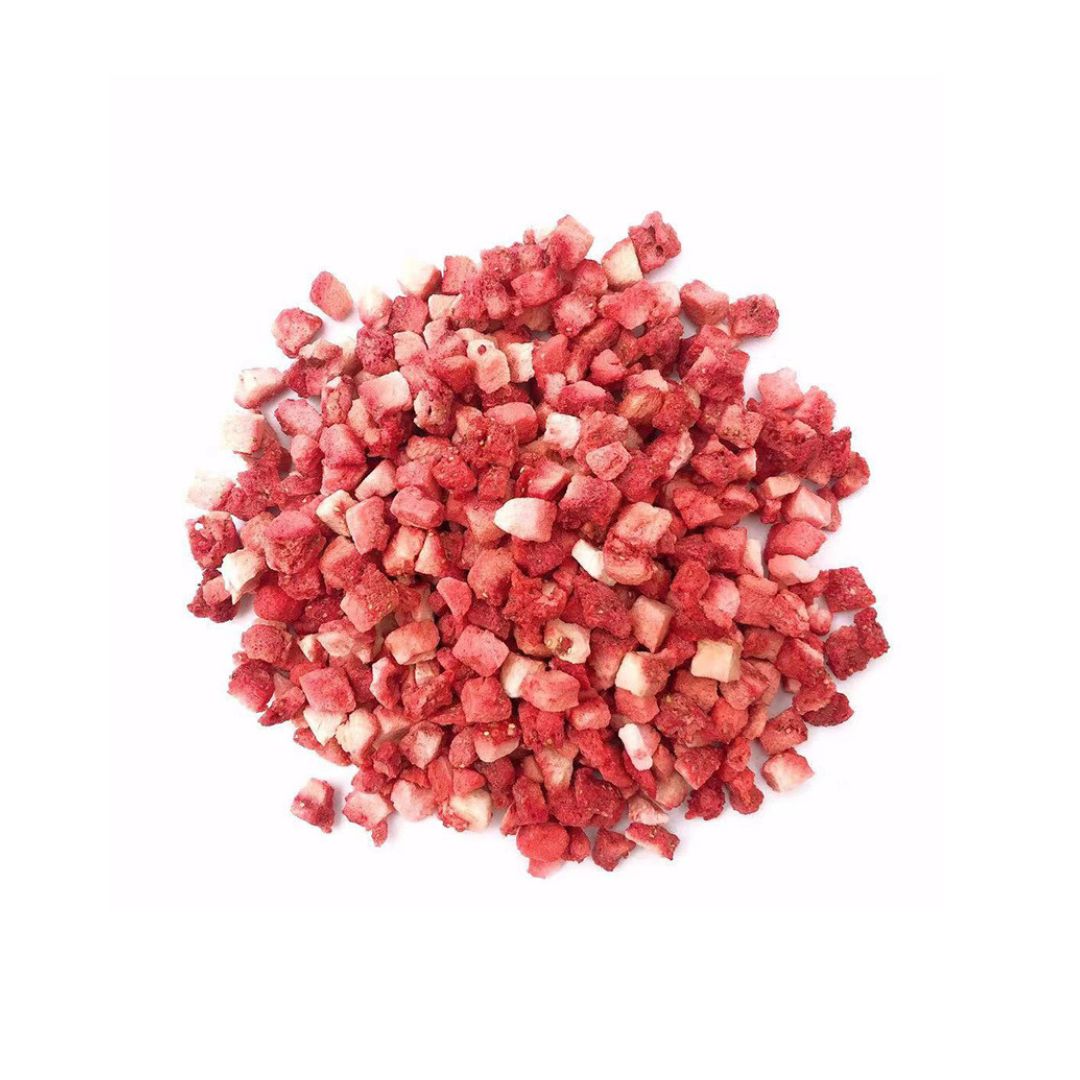
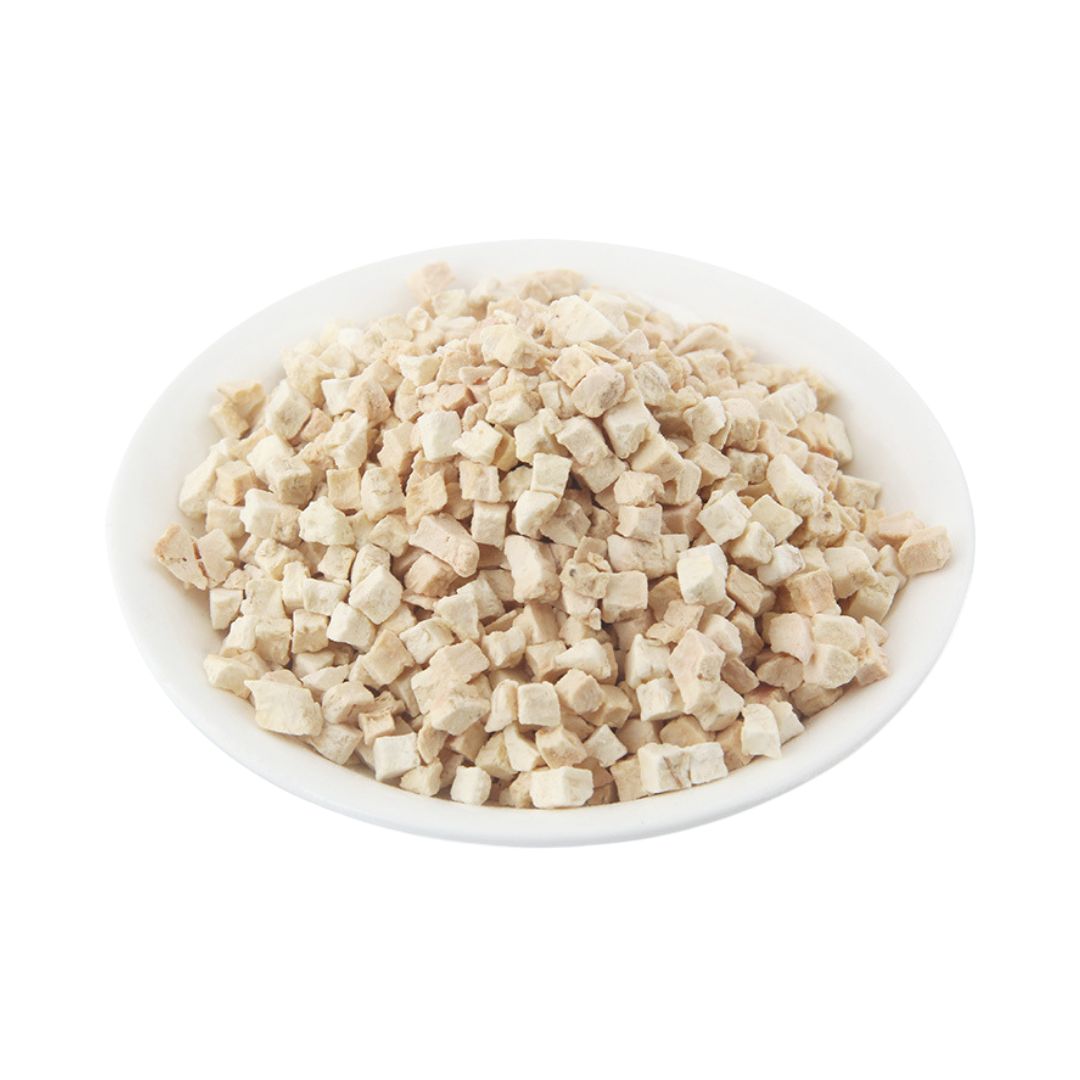
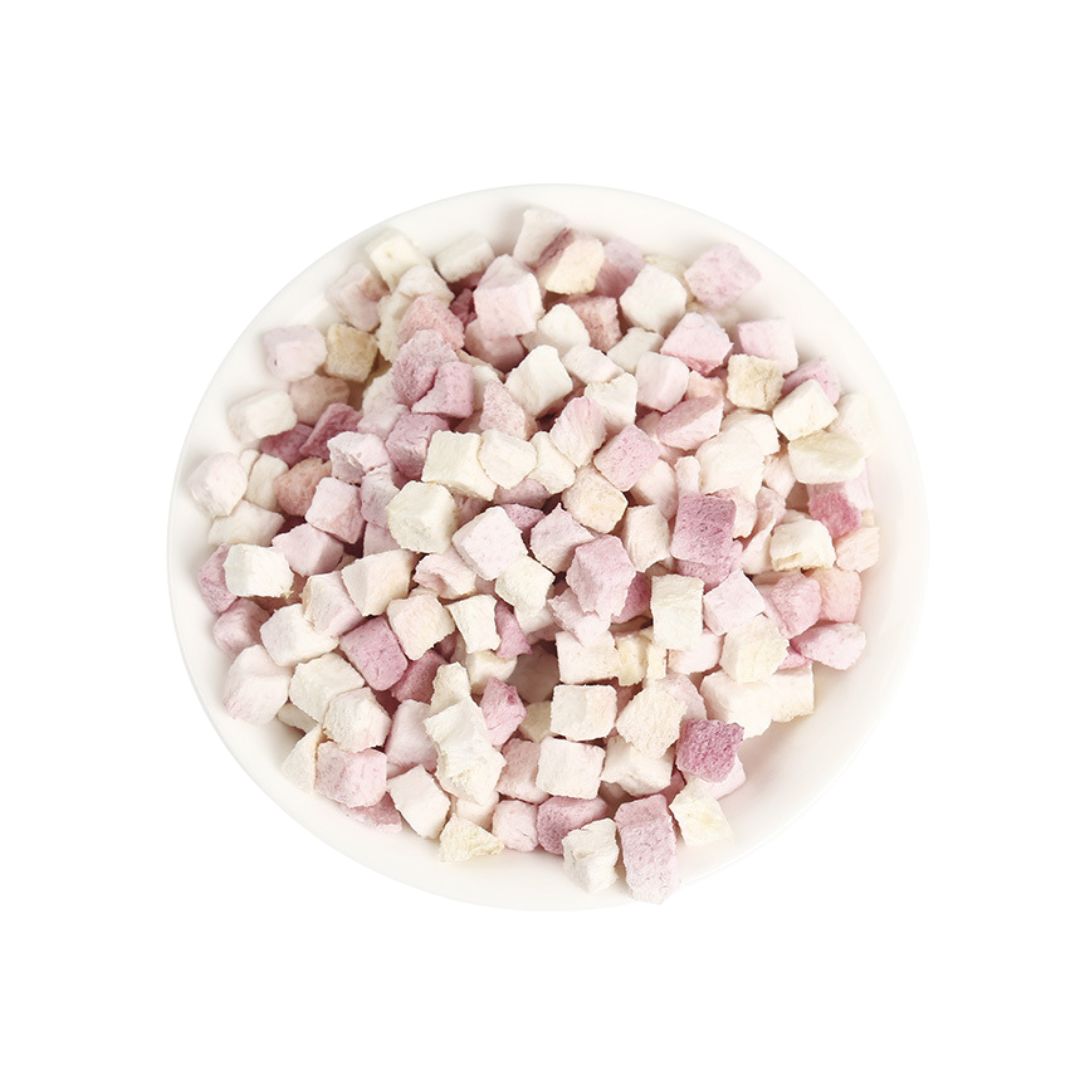
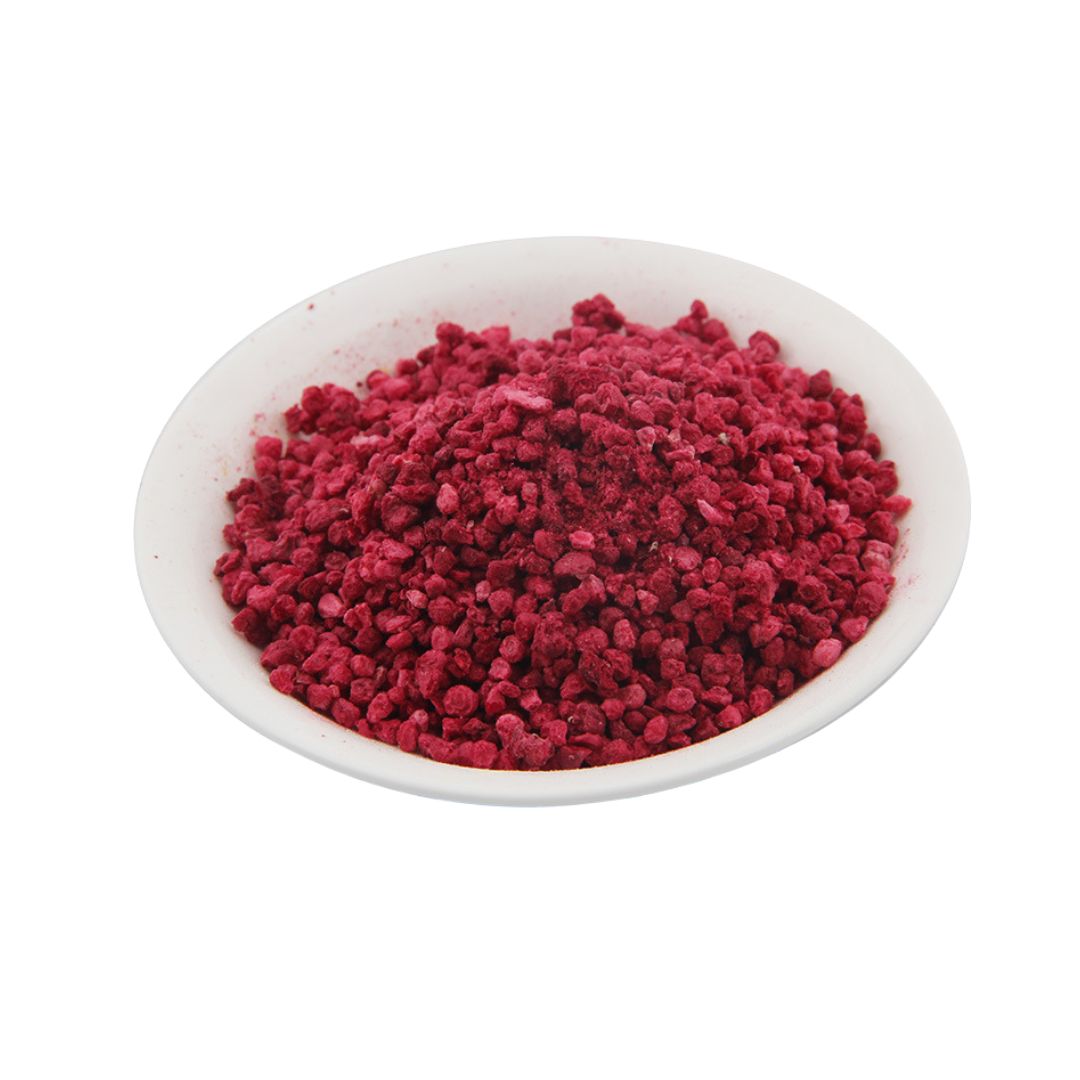
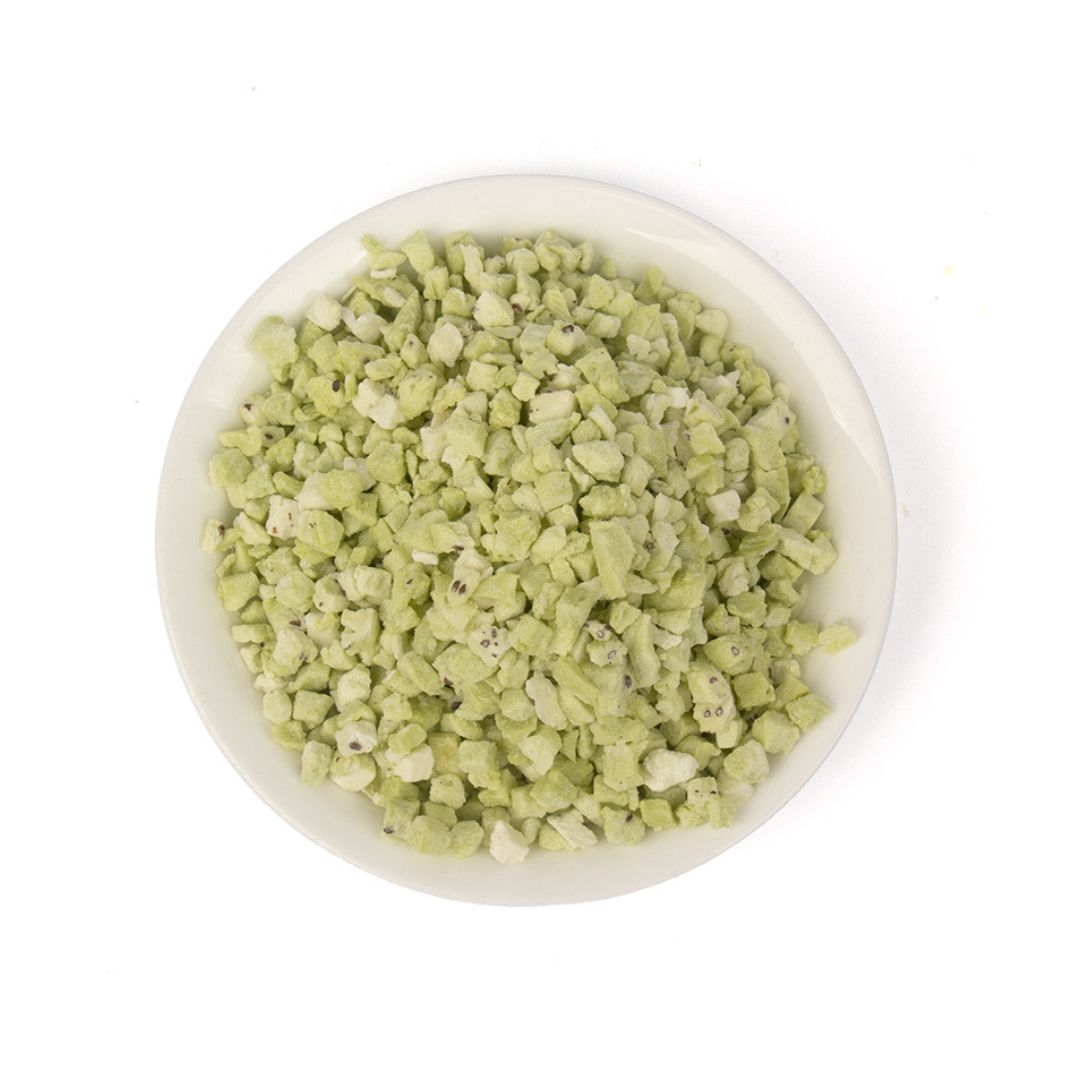
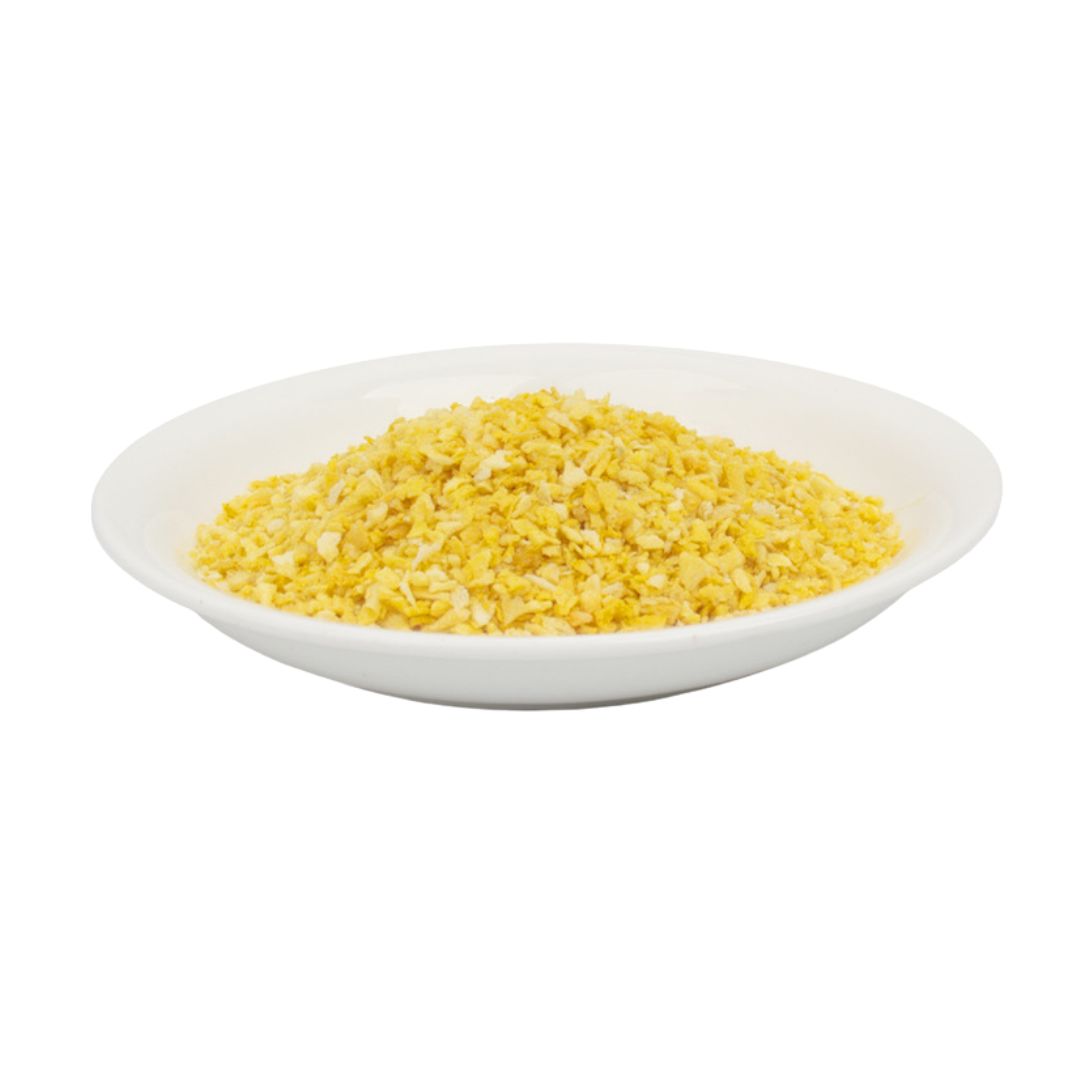
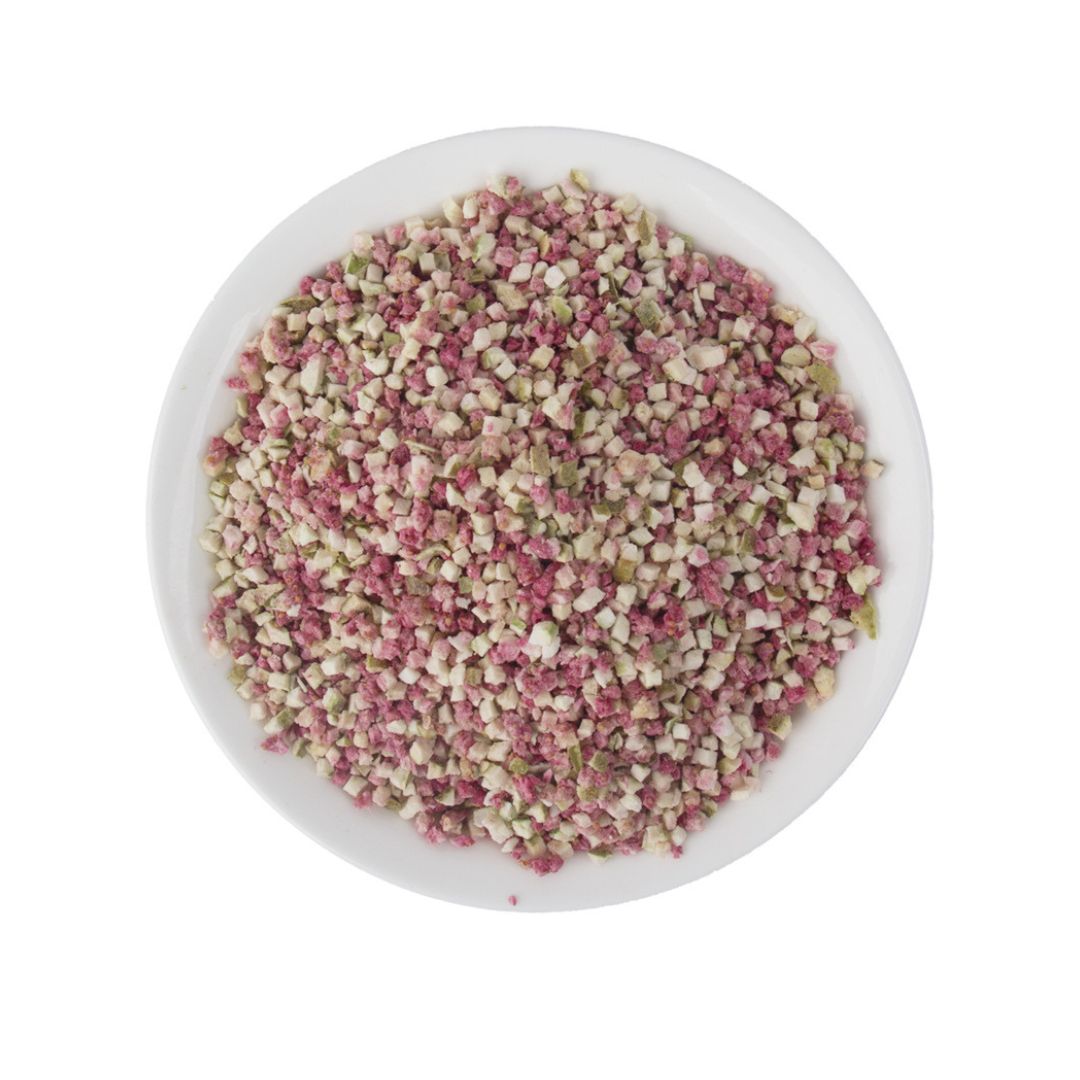
Freeze-dried fig cubes are a convenient and nutritious snack made from fresh figs that have been processed to remove moisture while retaining their natural flavor, color, and nutrients. The freeze-drying process ensures that the fig cubes have a long shelf life and are easy to store, making them a versatile ingredient for various applications. These cubes can be enjoyed directly as a snack, added to cereals, used in baking, or incorporated into trail mixes.
Production Process
The production of freeze-dried fig cubes involves several key steps:
- Selection: Fresh, ripe figs are selected based on quality, maturity, and size to ensure a consistent final product.
- Cleaning and Preparation: The selected figs are thoroughly washed to remove any dirt or debris. They are then cut into small cubes for uniform drying.
- Freezing: The fig cubes are rapidly frozen at very low temperatures to solidify the water content within the fruit. This step is crucial for preserving the cellular structure and preventing shrinkage during the drying process.
- Freeze-Drying: The frozen fig cubes are placed in a freeze-drying chamber. The chamber applies a vacuum, and the frozen water (ice) in the figs sublimates, turning directly into vapor without passing through the liquid phase. This process removes most of the moisture content, typically reducing it to around 1-5%.
- Quality Control: After freeze-drying, the fig cubes undergo quality checks for moisture content, color, and texture to ensure they meet the required standards.
- Packaging: The freeze-dried fig cubes are packaged in airtight containers or bags to prevent moisture reabsorption and maintain their quality and shelf life.
Nutritional Composition Table
The following table shows an approximate nutritional composition for 100g of freeze-dried fig cubes:
| Nutrient | Amount (approximate) |
|---|---|
| Calories | 249 kcal |
| Total Fat | 0.93 g |
| Saturated Fat | 0.14 g |
| Monounsaturated Fat | 0.16 g |
| Polyunsaturated Fat | 0.33 g |
| Cholesterol | 0 mg |
| Sodium | 1 mg |
| Total Carbohydrate | 63.87 g |
| Dietary Fiber | 9.8 g |
| Sugar | 47.92 g |
| Protein | 3.3 g |
| Vitamin K | 15.6 mcg |
| Vitamin B6 | 0.11 mg |
| Potassium | 680 mg |
| Magnesium | 68 mg |
| Calcium | 162 mg |
Note: Nutritional values can vary based on the specific variety and processing techniques.
Product Benefits and Functions
Freeze-dried fig cubes offer several health benefits due to their rich nutritional profile:
- High in Fiber: Figs are an excellent source of dietary fiber, which aids in digestion and promotes bowel regularity. Fiber can help prevent constipation and support a healthy digestive system [1].
- Rich in Minerals: Figs contain essential minerals such as potassium, magnesium, and calcium. Potassium helps maintain healthy blood pressure, magnesium is important for muscle and nerve function, and calcium is vital for bone health [2].
- Source of Vitamins: Figs provide vitamins such as vitamin K and vitamin B6. Vitamin K is essential for blood clotting and bone metabolism, while vitamin B6 supports brain development and function [3].
- Antioxidant Properties: Figs contain antioxidants that help protect the body against free radicals, reducing oxidative stress and the risk of chronic diseases [4].
- Natural Energy Source: The natural sugars in figs provide a quick and sustained energy boost, making them a healthy alternative to processed snacks.
Product Application Scenarios
Freeze-dried fig cubes can be used in a variety of applications:
- Snacking: They can be consumed directly as a healthy and convenient snack, offering a sweet and nutritious option for both adults and children.
- Baking: They can be added to baked goods such as muffins, cakes, and breads to enhance flavor and nutritional value. Chopped fig cubes can be incorporated into doughs or used as toppings.
- Cereal and Yogurt Topping: They make an excellent addition to breakfast cereals, granola, and yogurt, adding a chewy texture and natural sweetness.
- Trail Mixes: They can be combined with nuts, seeds, and other dried fruits to create nutritious and energy-boosting trail mixes for hiking, camping, or everyday snacking.
- Culinary Uses: They can be rehydrated and used in sauces, jams, and preserves, adding a unique flavor and texture to various dishes.
Botanical Source
Figs come from the fig tree, Ficus carica, a deciduous tree or large shrub in the Moraceae family native to the Middle East and western Asia. The fig tree has been cultivated since ancient times and is now grown in many regions with warm, temperate climates, including the Mediterranean, California, and parts of South America. The fruit is a syconium, a fleshy structure that contains many small, single-seeded fruits.
Packaging and Storage
The quality of freeze-dried fig cubes is maintained through proper packaging and storage:
- Packaging: The product should be packaged in airtight, moisture-proof containers or bags. The packaging material should protect the fig cubes from light, air, and moisture to prevent degradation of quality and nutrient loss.
- Storage Conditions:
- Temperature: Store in a cool, dry place at a temperature below 25°C (77°F).
- Humidity: Keep the product in a low-humidity environment to prevent moisture reabsorption, which can lead to clumping and spoilage.
- Light: Protect from direct sunlight to prevent color changes and degradation of vitamins.
- Shelf Life: When stored properly, freeze-dried fig cubes can have a shelf life of up to 12-18 months. Check the packaging for the specific expiration date.
- Handling: Ensure the packaging is resealed tightly after each use to maintain freshness and prevent moisture contamination.
Citations:
[1] Anderson, J. W., et al. "Health implications of dietary fiber." Nutrition Reviews 56.1 (1998): 1-18.
[2] Gropper, S. S., et al. Advanced Nutrition and Human Metabolism. 6th ed. Belmont, CA: Wadsworth, Cengage Learning, 2013.
[3] Combs, G. F., Jr. The Vitamins. 4th ed. Amsterdam: Elsevier/Academic Press, 2012.
[4] Vinson, J. A., et al. "Dried fruits: Excellent in vitro and in vivo antioxidants." Journal of the American College of Nutrition 24.1 (2005): 44-50.

As a sales manager, I’m here to make sure you get exactly what you need for your dietary supplements. From sourcing to delivery, I’m always by your side, ensuring smooth and friendly service. Let’s make your products even better! 🥰🌿