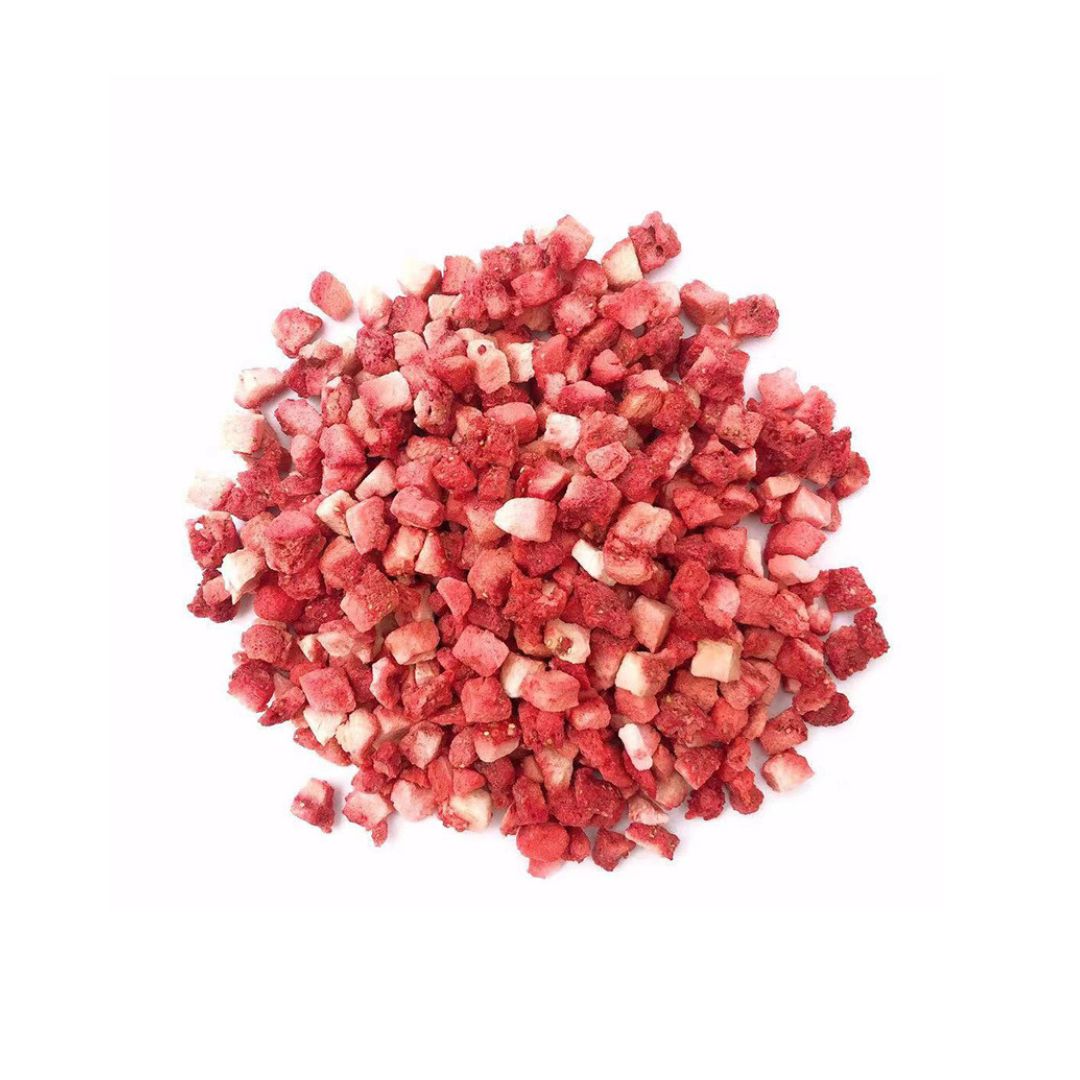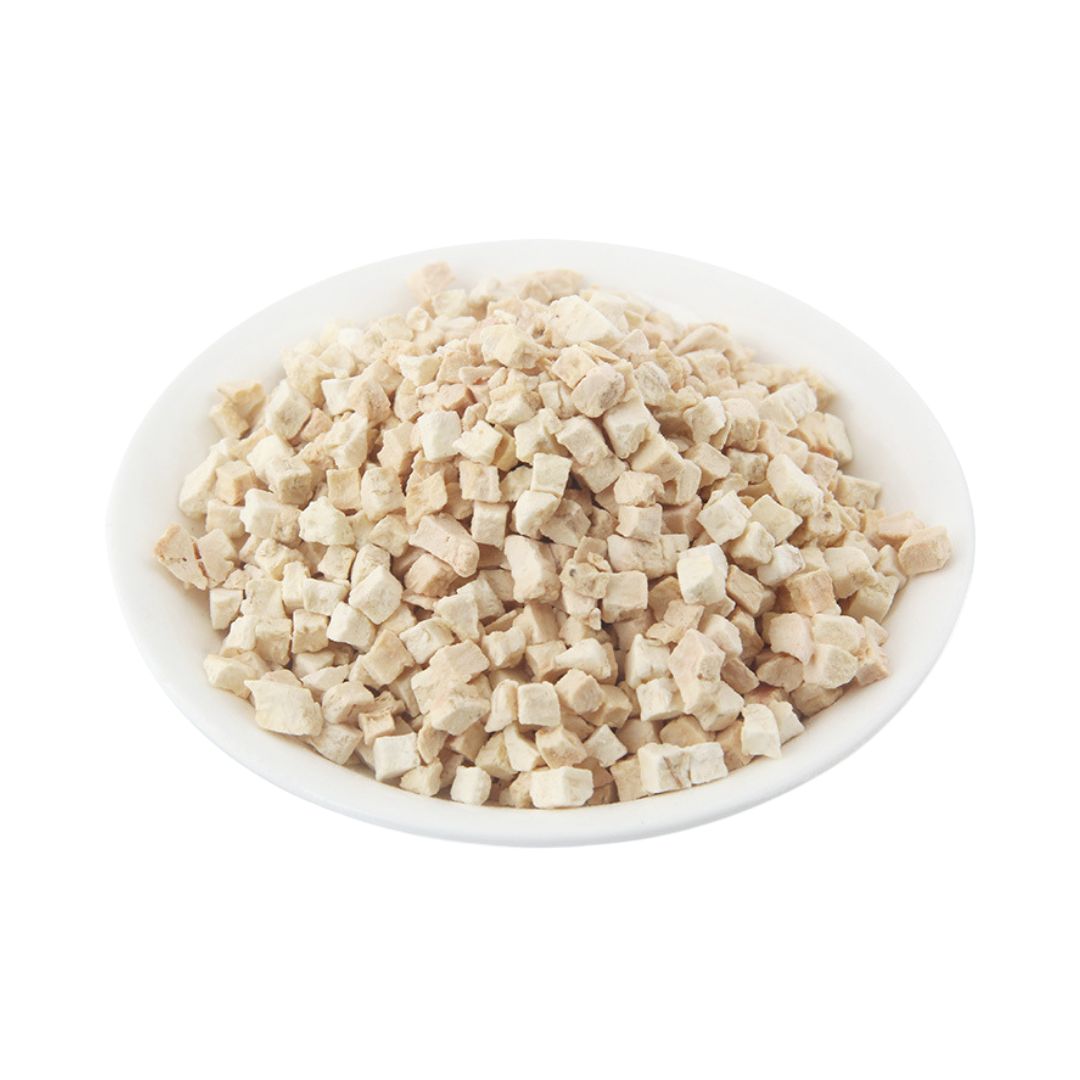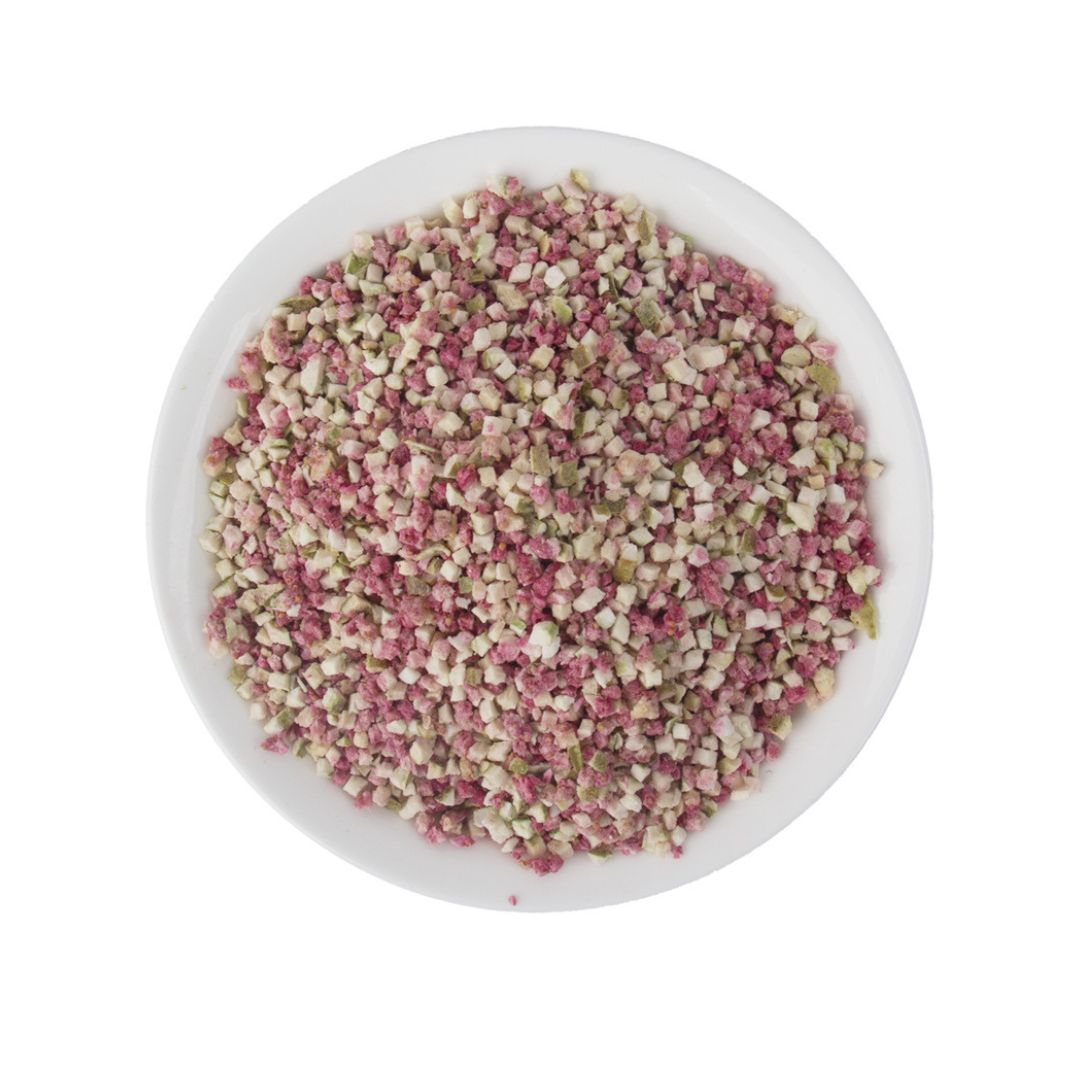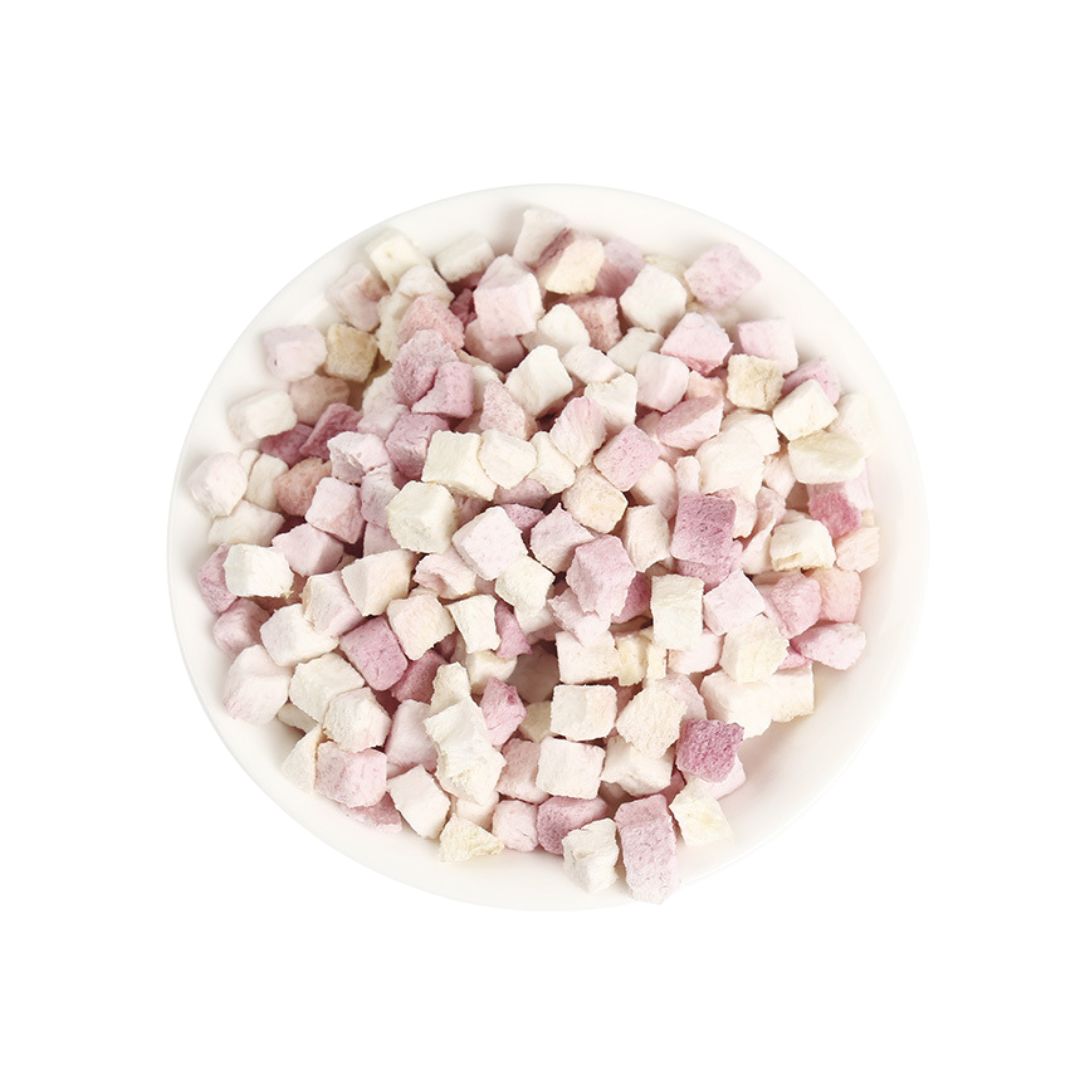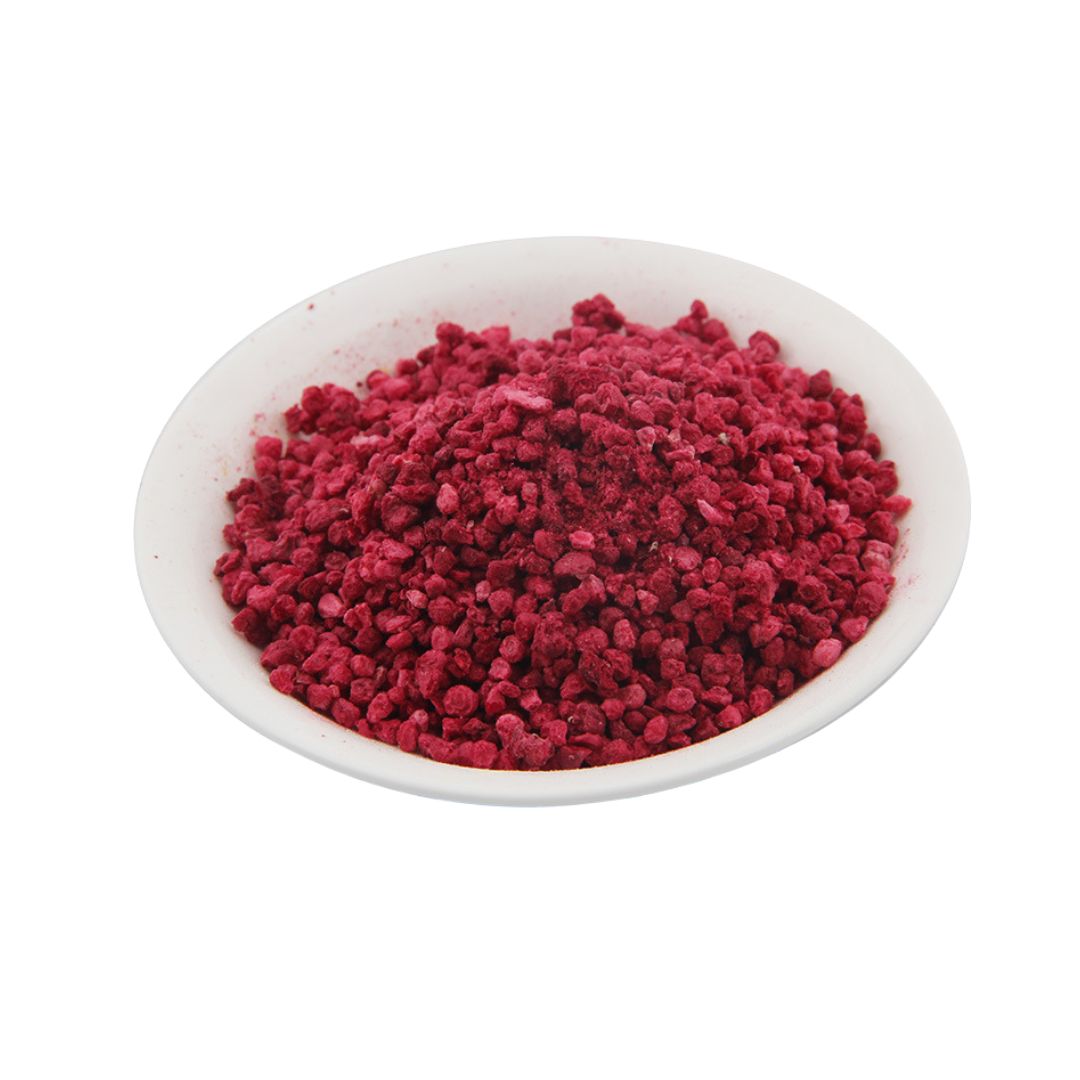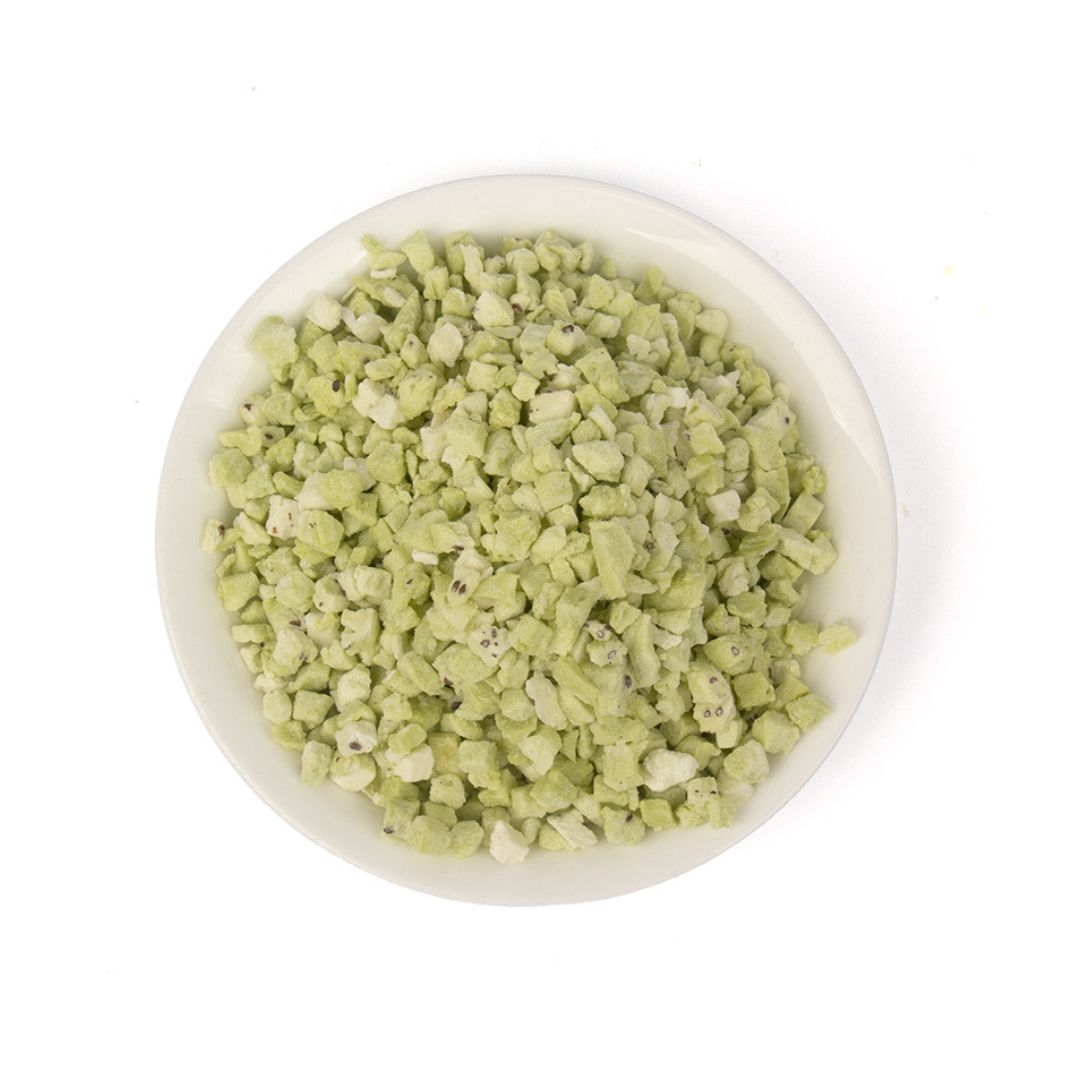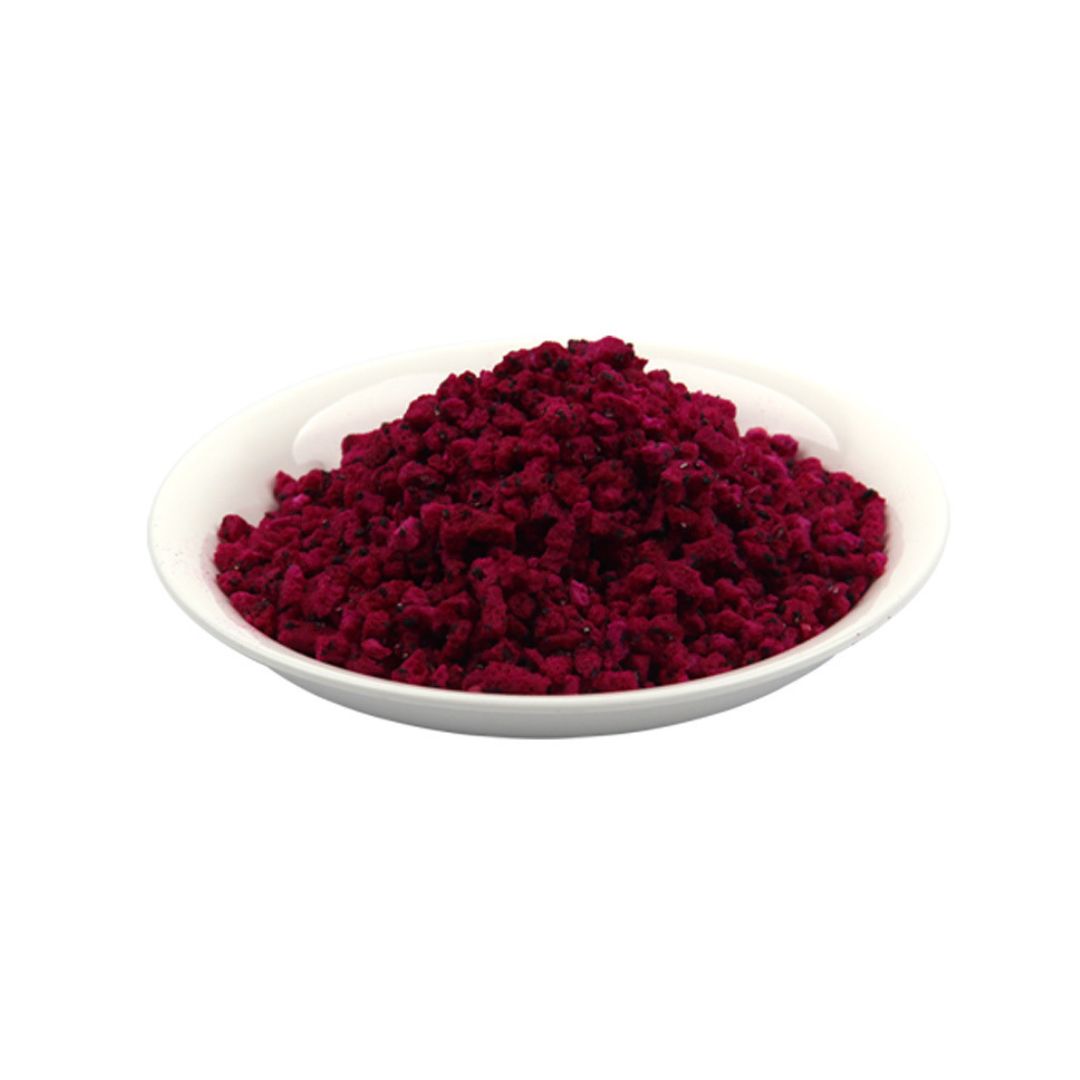


Product Introduction
Freeze-dried red dragon fruit cubes offer a convenient way to enjoy the nutritional benefits and exotic flavor of dragon fruit in a shelf-stable form. The freeze-drying process preserves the fruit's natural color, flavor, and nutrients, resulting in a product that can be easily stored and used in a variety of applications. These cubes provide a concentrated source of vitamins, minerals, and antioxidants, making them a healthy addition to one's diet.
Production Process
The production of freeze-dried red dragon fruit cubes involves several key steps. First, the fresh dragon fruit is carefully selected, washed, and inspected for quality [1]. The fruit is then sliced or diced into uniform cubes to ensure consistent drying. Next, the cubes are rapidly frozen to preserve their cellular structure. The frozen fruit is then placed in a freeze-drying chamber, where a vacuum is applied, and the water is sublimated, transitioning directly from ice to vapor. This process removes moisture while retaining the fruit's natural properties. Finally, the freeze-dried cubes are packaged in airtight containers to prevent moisture absorption and maintain their quality and shelf life [2].
Nutritional Composition Table
| Nutrient | Amount per 100g |
|---|---|
| Calories | 360 kcal |
| Carbohydrates | 80g |
| Fiber | 10g |
| Sugars | 40g |
| Protein | 4g |
| Vitamin C | 10mg |
| Calcium | 20mg |
| Iron | 1mg |
Note: Nutritional values may vary based on the specific variety of red dragon fruit and processing methods.
Product Benefits and Functions
Freeze-dried red dragon fruit cubes offer several health benefits. The high fiber content supports digestive health by promoting regular bowel movements and preventing constipation [3]. The fruit is a rich source of antioxidants, including betalains, which help protect the body against oxidative stress and cellular damage [4]. These antioxidants contribute to overall health and may reduce the risk of chronic diseases [5]. Additionally, the Vitamin C content supports immune function.
Product Application Scenarios
These freeze-dried cubes are versatile and can be used in a variety of culinary applications. They can be enjoyed as a convenient snack straight from the package. The cubes make a colorful and nutritious addition to breakfast cereals, yogurt, and oatmeal. They can be easily rehydrated for use in smoothies, desserts, and baked goods. Furthermore, they can be incorporated into trail mixes and homemade energy bars for a boost of flavor and nutrients.
Botanical Source
Red dragon fruit, scientifically known as Hylocereus polyrhizus, is a tropical fruit belonging to the cactus family [6]. It is native to Central America but is now cultivated in many tropical and subtropical regions around the world, including Southeast Asia, and the Americas [7]. The plant is an epiphytic vine, characterized by its vibrant red or pink fruit with white or red flesh and small black seeds [8]. The fruit is known for its mild, slightly sweet flavor and its striking appearance, making it a popular ingredient in various cuisines.
Packaging and Storage
Freeze-dried red dragon fruit cubes are typically packaged in airtight, resealable bags or containers to protect them from moisture and air. It is essential to store the product in a cool, dry place away from direct sunlight to maintain its quality and prevent spoilage. Proper storage will help preserve the fruit's flavor, color, and nutritional value, ensuring a shelf life of up to 12-18 months [9].
Citations:
[1] Janjai, S., Lamlert, N., Mahayothee, B., Bala, B. K., Nagle, M., & Müller, J. (2011). Thin-layer drying of litchi fruit. Food Science and Technology, 44(10), 2293-2298.
[2] Ratti, C. (2001). Advances in food dehydration. CRC press.
[3] Anderson, J. W., et al. "Health implications of dietary fiber." Nutrition Reviews 56.1 (1998): 1-18.
[4] Herrera-Cazares, J. M., et al. "Betalains: their main sources, antioxidant activity and application in food science." Journal of Food Science and Technology 53.7 (2016): 2739-2749.
[5] Lobo, V., Patil, A., Phatak, A., & Chandra, N. (2010). Free radicals, antioxidants and functional foods: Impact on human health. Pharmacognosy Reviews, 4(8), 118.
[6] Nerd, A., & Mizrahi, Y. (1999). Fruit characteristics of different Hylocereus species. Postharvest Biology and Technology, 17(1), 17-27.
[7] Merten, P. (2003). A review of the nutritional properties and potential food uses of pitaya. Journal of the Professional Association for Cactus Development, 5, 98-110.
[8] Valiente Torres, A., et al. "Physicochemical and nutritional characterization of red pitaya (Hylocereus spp.) from different locations." Food Chemistry 170 (2015): 272-278.
[9] Okpala, L. C., et al. "Effect of storage conditions on the quality of freeze-dried pineapple fruit." Food Chemistry 102.4 (2007): 1171-1177.

As a sales manager, I’m here to make sure you get exactly what you need for your dietary supplements. From sourcing to delivery, I’m always by your side, ensuring smooth and friendly service. Let’s make your products even better! 🥰🌿