

Product Introduction
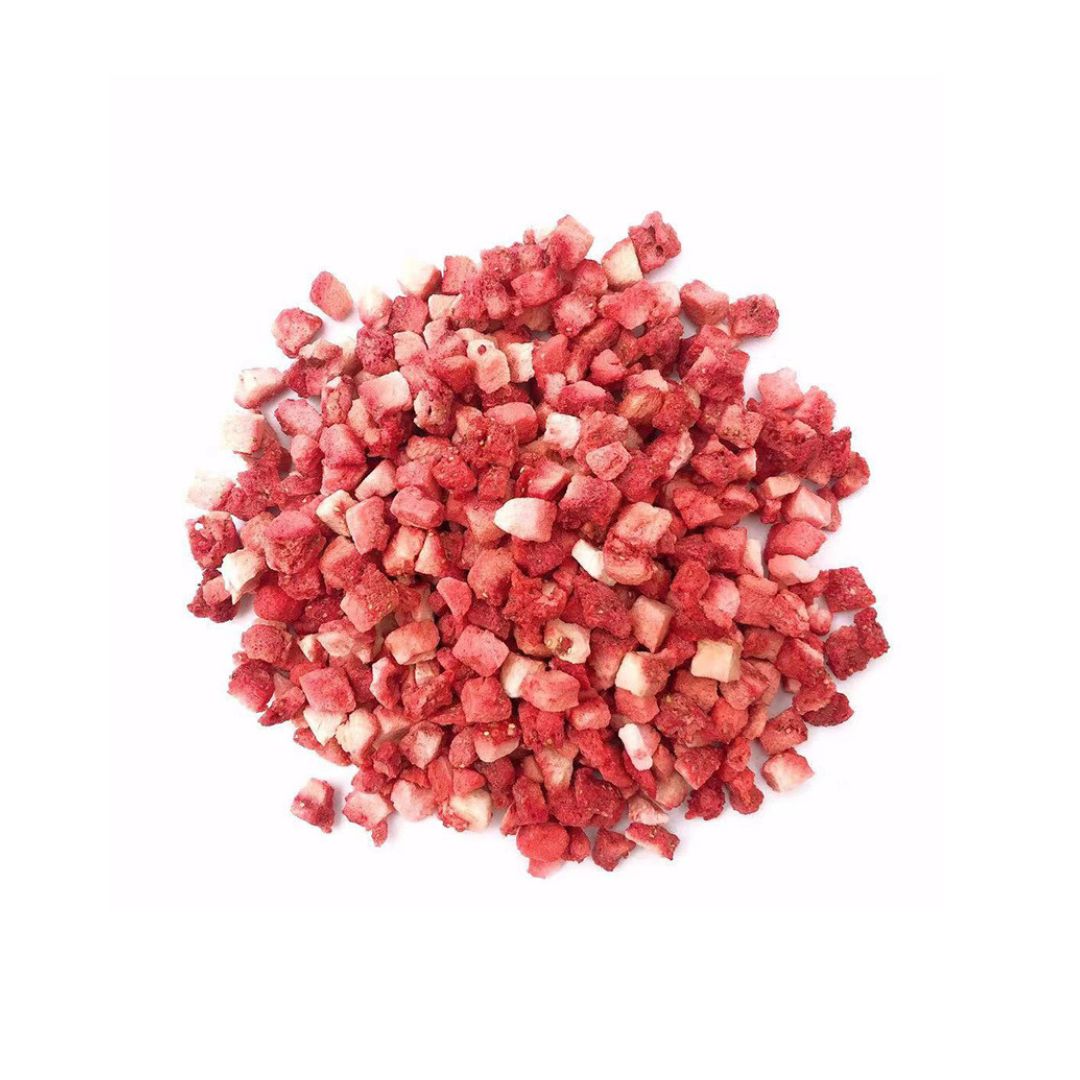
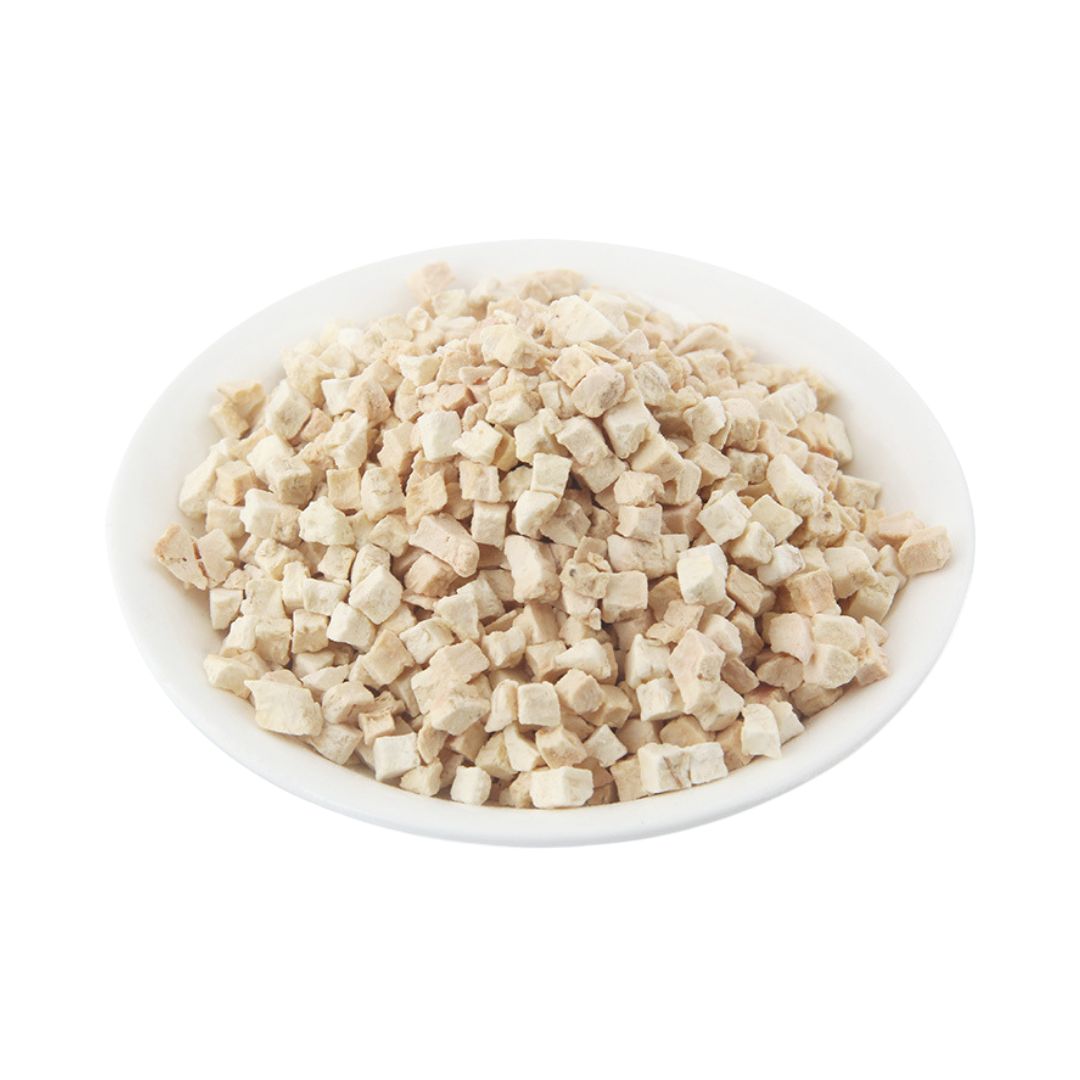
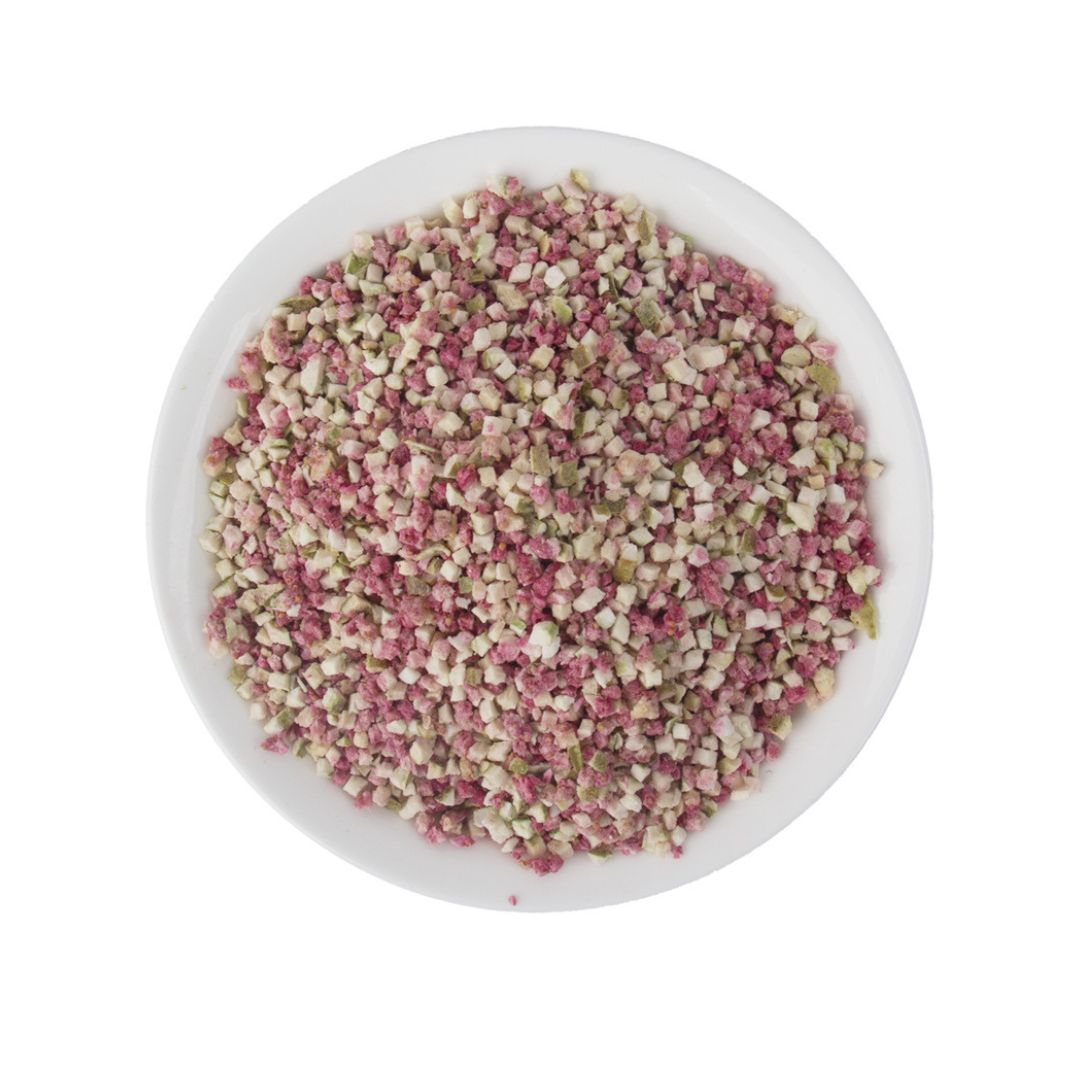
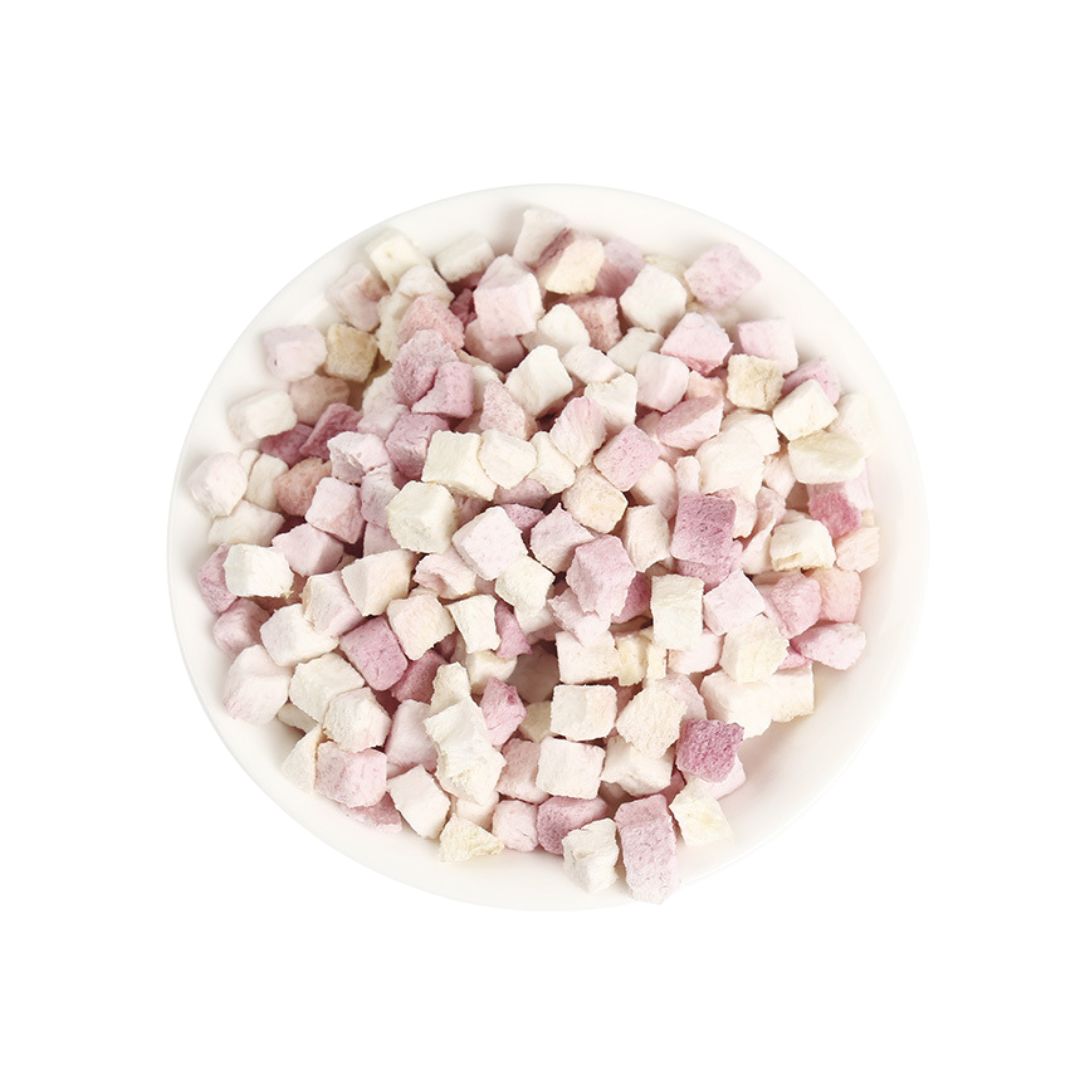
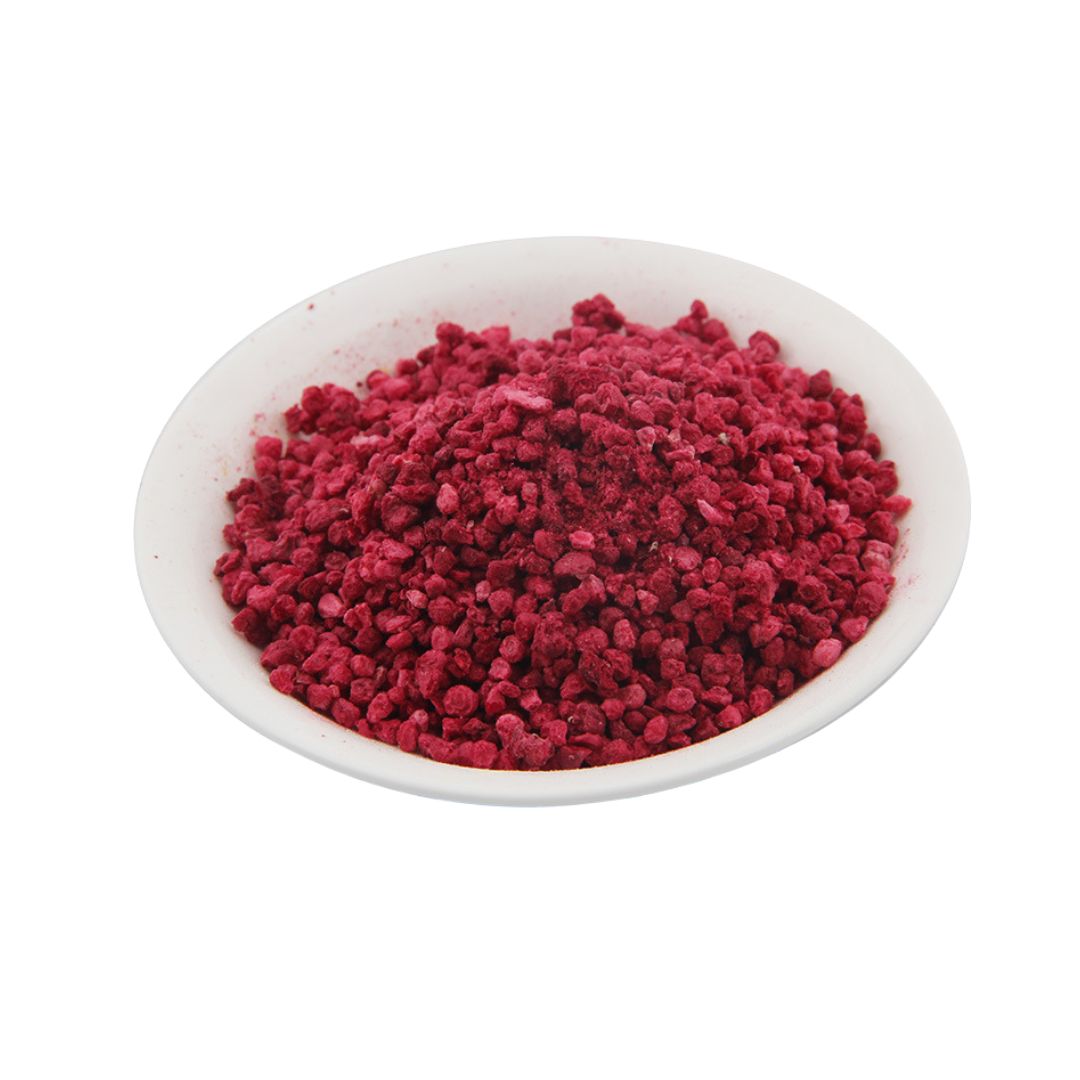
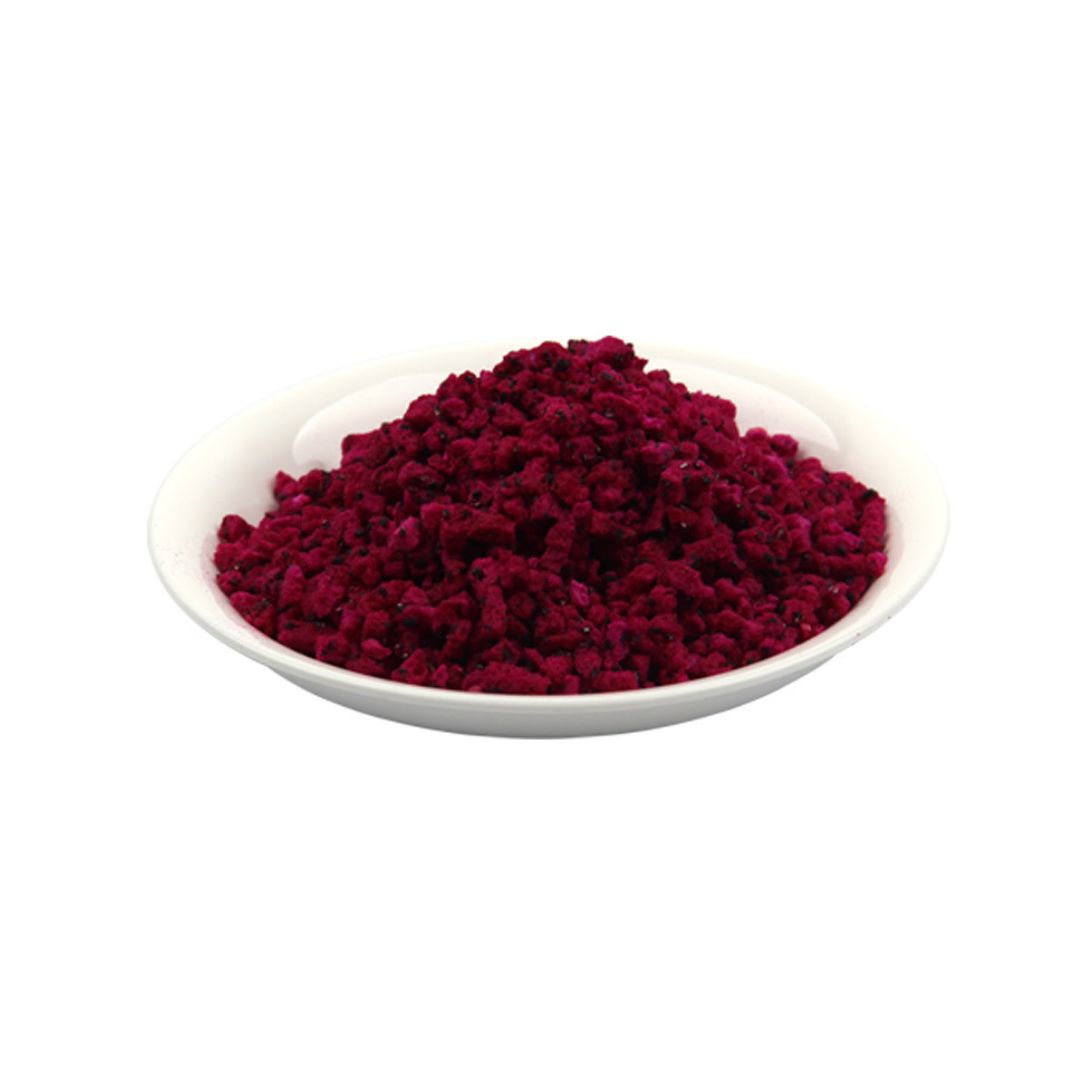
Freeze-dried red dragon fruit pulp cubes are a modern take on a fascinating tropical fruit. The process transforms fresh red dragon fruit into convenient, shelf-stable pieces, and it captures the fruit’s unique qualities. The result is a product that holds the essence of the fresh fruit.
Production Process
The journey of freeze-dried red dragon fruit pulp cubes begins with the selection of ripe red dragon fruits. The fruits are harvested, and their pulp is extracted and cut into uniform cubes. The cubes are then rapidly frozen. Sublimation occurs, removing the ice crystals and leaving behind the freeze-dried structure. This method preserves the fruit’s natural color, flavor, and nutrients, offering a product close to its fresh counterpart.
Nutritional Composition Table
While the exact nutritional content can vary based on growing conditions and specific varieties, a general overview of the nutritional components found in red dragon fruit includes:
| Nutrient | Amount per 100g (approximate) |
|---|---|
| Calories | 50-60 kcal |
| Carbohydrates | 12-15 g |
| Fiber | 2-3 g |
| Protein | 1-2 g |
| Fat | 0 g |
| Vitamin C | 3-5 mg |
| Calcium | 8-10 mg |
| Iron | 0.3-0.7 mg |
| Magnesium | 30-40 mg |
| Antioxidants | Betalains, flavonoids |
Product Benefits and Functions
Red dragon fruit is rich in antioxidants, such as betalains, which combat free radicals in the body. Fiber aids in digestion, promoting gut health, and the fruit contains vitamins and minerals. The fruit may assist in maintaining healthy cholesterol levels. Consuming freeze-dried red dragon fruit pulp cubes can be a delicious, convenient way.
Product Application Scenarios
Freeze-dried red dragon fruit pulp cubes are versatile and can be incorporated into various culinary creations. They can be enjoyed as a snack straight from the bag offering a burst of tropical flavor. For breakfast they can be added to smoothies, yogurt, or cereal. In baking, they bring a beautiful color and subtle sweetness to muffins, cakes, and cookies, and they can be rehydrated and used in sauces, jams, and desserts.
Botanical Source
Red dragon fruit, Hylocereus polyrhizus, is native to Central America but is now cultivated in tropical and subtropical regions worldwide. [^1] It’s a member of the cactus family, characterized by its vibrant pink skin and speckled pulp and the plant features nocturnal flowers.
Packaging and Storage
To maintain the quality of freeze-dried red dragon fruit pulp cubes, proper packaging and storage are essential. The product should be sealed in airtight, moisture-proof packaging to prevent rehydration and maintain its crisp texture. The packaging should also protect against light exposure, which can degrade the fruit’s color and nutrients. Store the cubes in a cool, dry place, away from direct sunlight and extreme temperatures.
[^1]: Nerd, A., & Mizrahi, Y. (1999). Fruit Development and Ripening in P itaya (Hylocereus spp.). Postharvest Biology and Technology, 17(1), 29–36.

As a sales manager, I’m here to make sure you get exactly what you need for your dietary supplements. From sourcing to delivery, I’m always by your side, ensuring smooth and friendly service. Let’s make your products even better! 🥰🌿