

Product Introduction
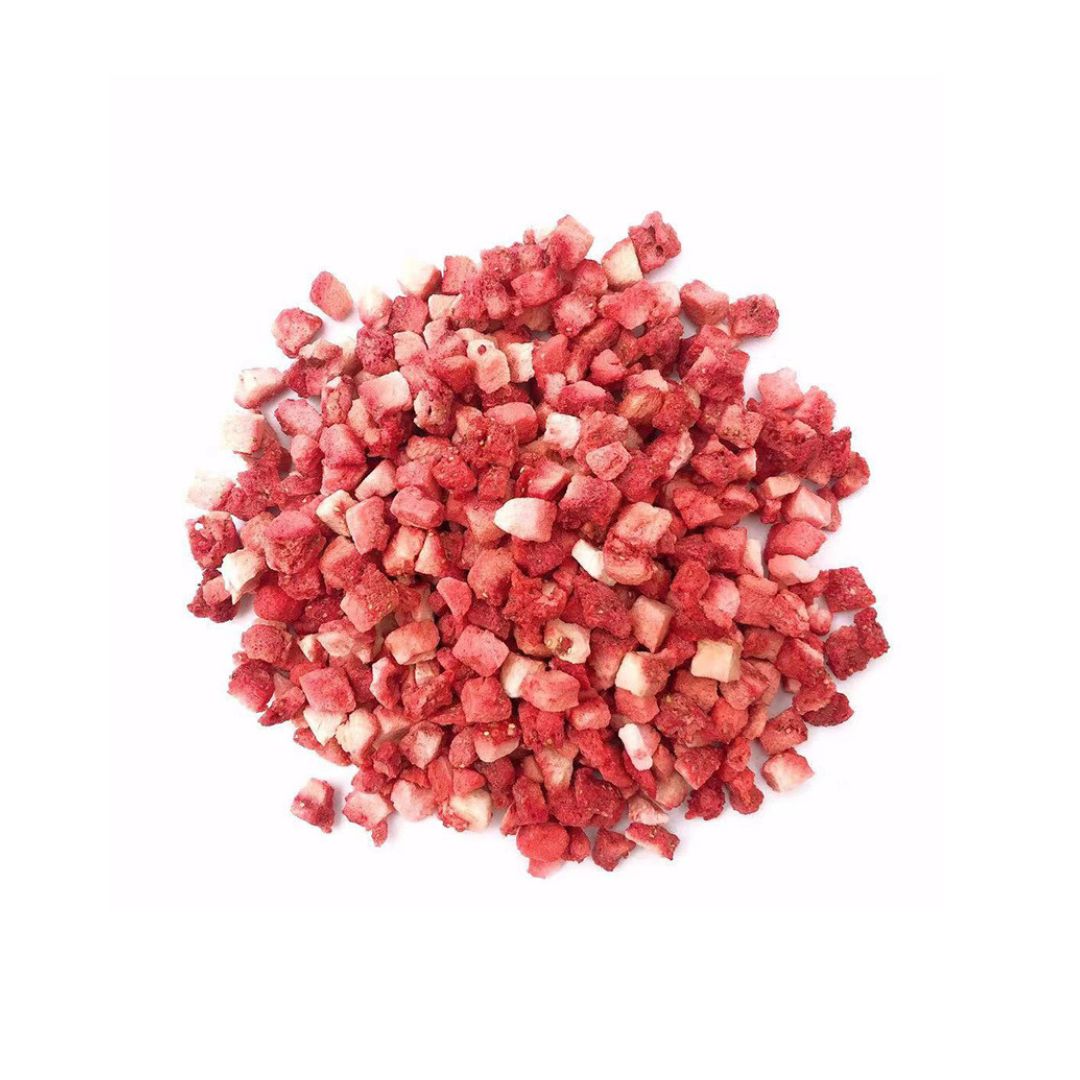
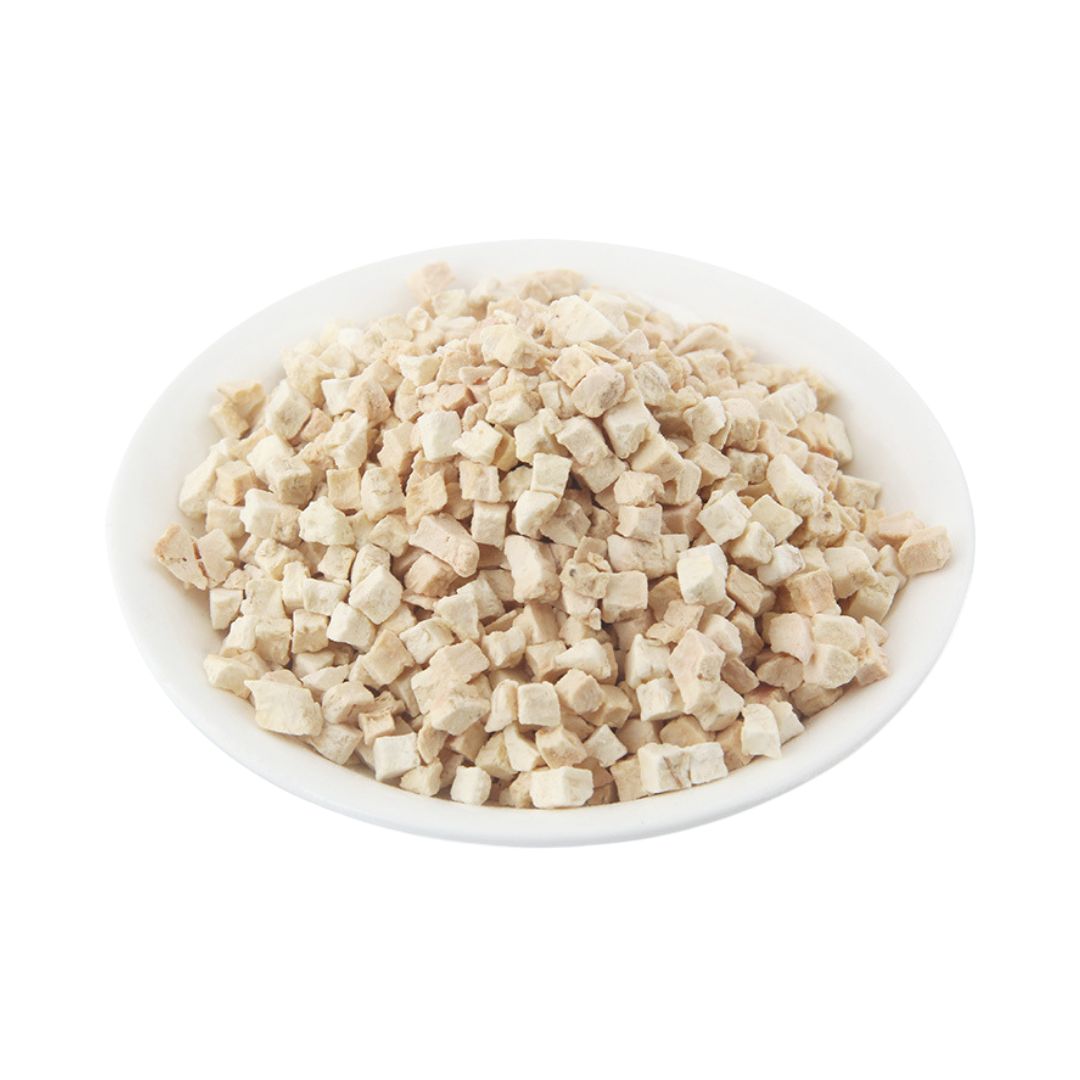
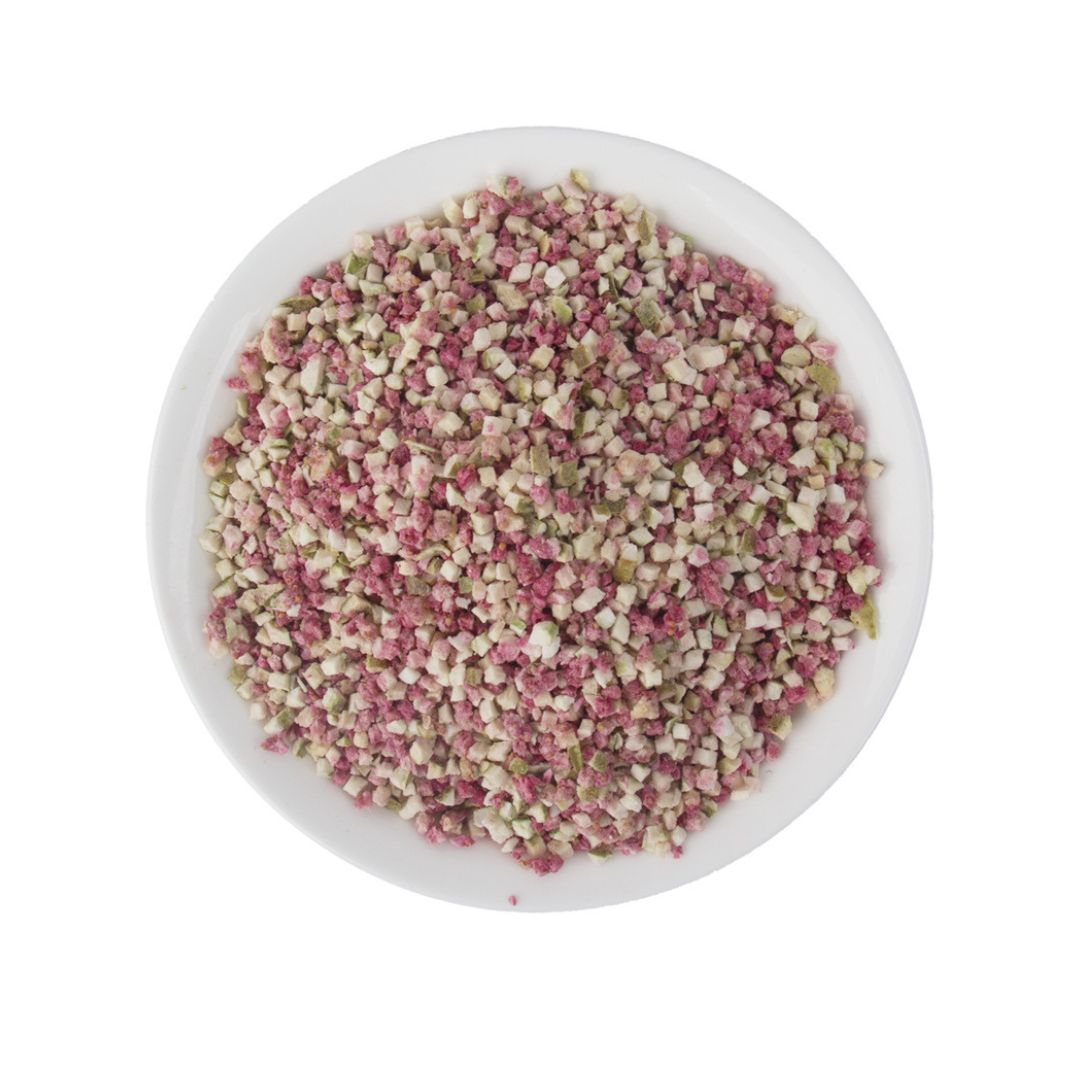
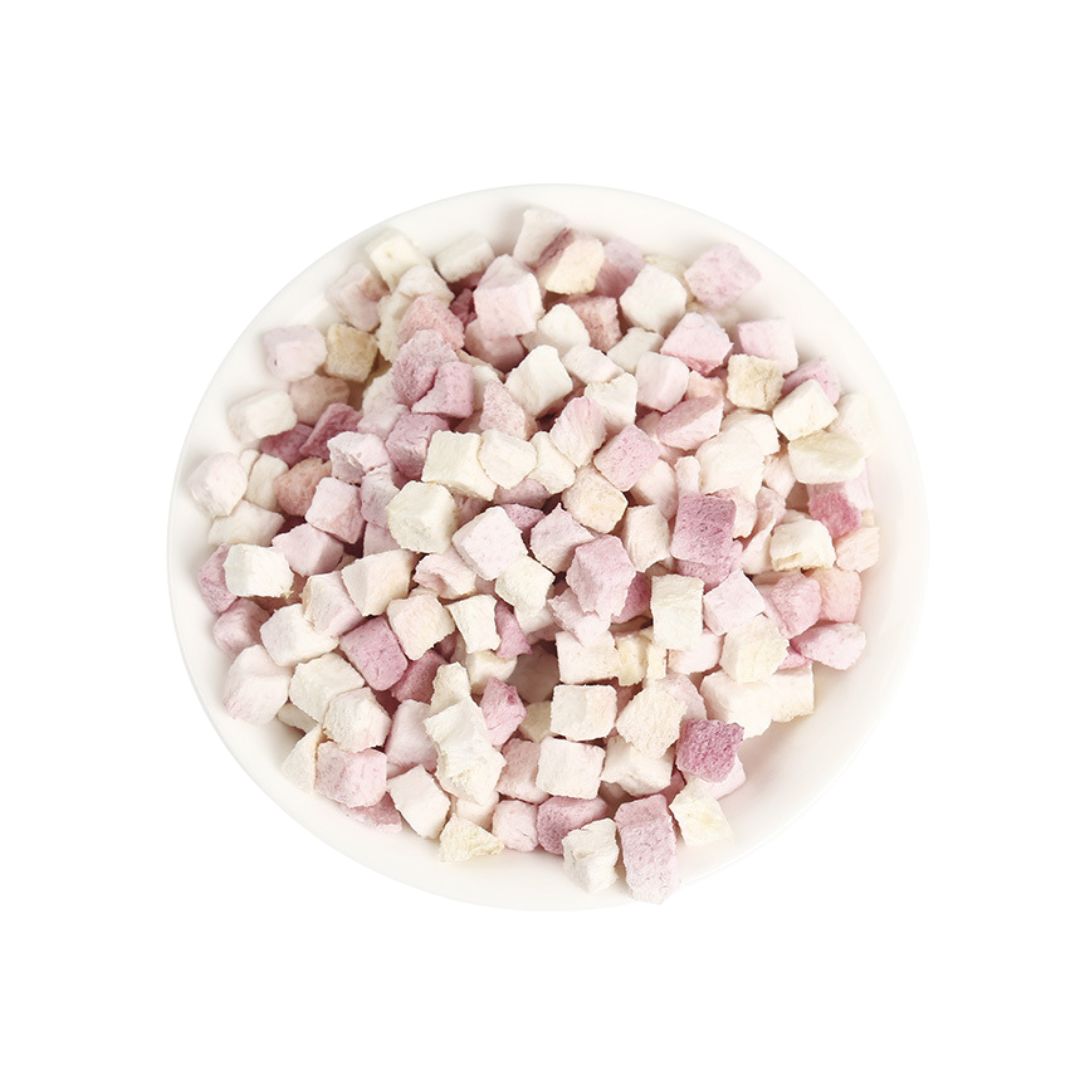
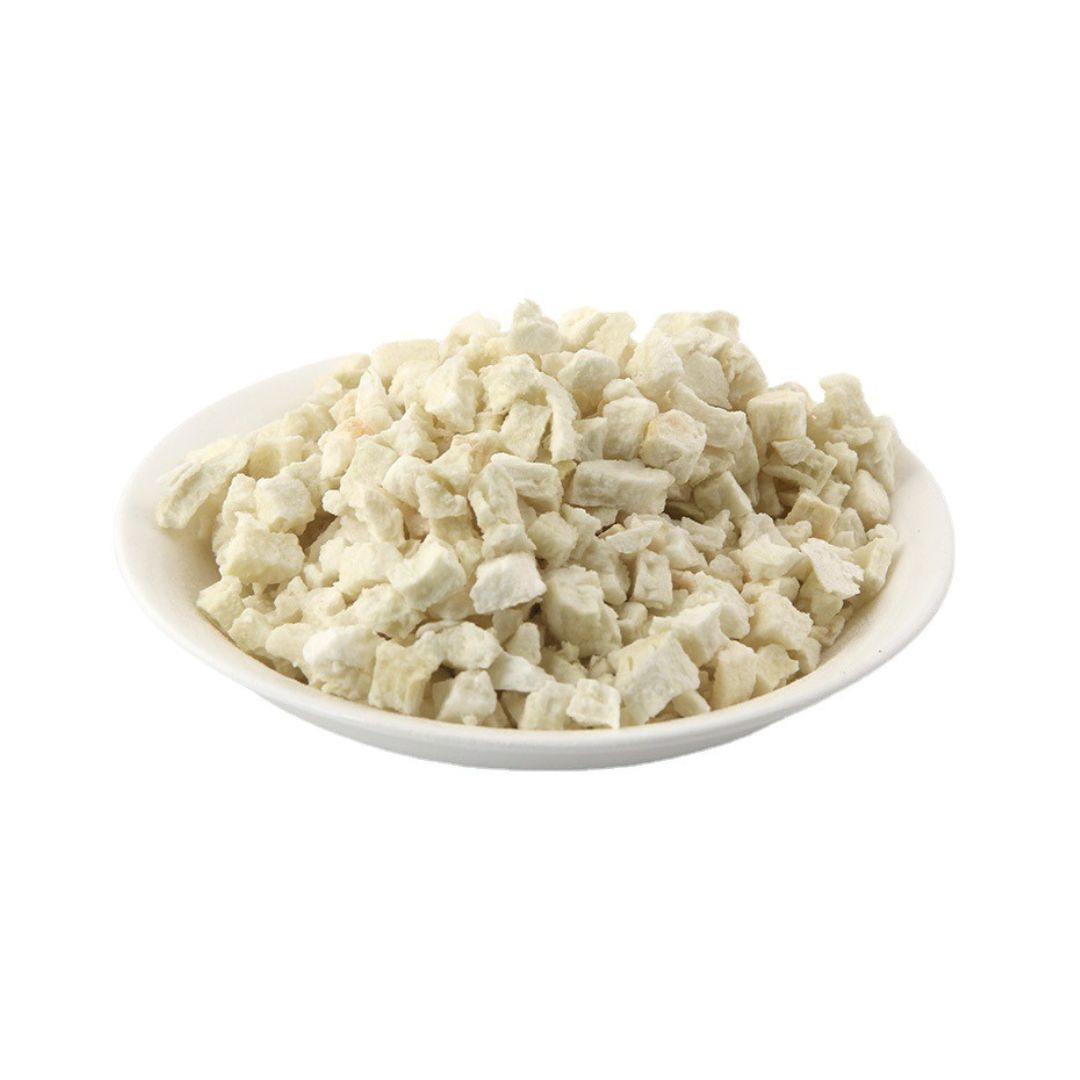
Freeze-dried sugared white peach cubes offer a unique combination of natural fruit benefits and enhanced sweetness. The freeze-drying process preserves the original flavor and nutrients of the white peach. A light sugar coating adds a delightful sweetness and texture. These cubes are a convenient and tasty way to enjoy the flavor of white peaches year-round.
Production Process
The production of freeze-dried sugared white peach cubes involves several key steps. Fresh white peaches are selected, washed, and sliced into uniform cube shapes. The peach cubes are then candied by soaking in a concentrated sugar solution, increasing the sugar content and enhancing the sweetness. Next, the sugared peach cubes are placed in a freeze-drying chamber, where they are rapidly frozen at extremely low temperatures. A vacuum is applied, causing the ice crystals to sublimate directly into vapor, removing the water content while preserving the fruit's structure and nutritional value. Finally, the freeze-dried sugared peach cubes are packaged to maintain their crispness and prevent moisture absorption.
Nutritional Composition Table
| Nutrient | Amount per 100g (approximate) |
|---|---|
| Calories | 350-400 kcal |
| Total Fat | 0.5-1g |
| Saturated Fat | 0g |
| Cholesterol | 0mg |
| Sodium | 10-20mg |
| Total Carbohydrate | 80-90g |
| Dietary Fiber | 3-5g |
| Sugars | 60-70g |
| Protein | 1-2g |
| Vitamin C | 5-10mg |
| Vitamin A | 50-100 IU |
Note: Nutritional values can vary based on the specific variety of white peach and the amount of sugar added. These values are approximate and should be used as a general guideline.
Product Benefits and Functions
Freeze-dried sugared white peach cubes offer several health benefits. The freeze-drying process retains most of the vitamins and minerals found in fresh white peaches, including vitamin C, which supports immune function and acts as an antioxidant [1]. The dietary fiber in white peaches aids in digestion and promotes gut health [2]. These cubes provide a natural source of energy due to their sugar content, making them a quick and convenient snack [3]. The added sugar enhances palatability.
Product Application Scenarios
Freeze-dried sugared white peach cubes can be used in a variety of applications. They can be enjoyed as a standalone snack, offering a sweet and fruity flavor. These cubes are a great addition to breakfast cereals, granola, and yogurt, adding both flavor and texture. They can be incorporated into baked goods such as muffins, cakes, and cookies, lending a unique peach flavor. Additionally, they can be used as a decorative topping for desserts, such as ice cream and pastries. The cubes can also be rehydrated and added to smoothies, beverages, or sauces.
Botanical Source
The white peach, Prunus persica (L.) Batsch, is a deciduous tree native to China. It belongs to the family Rosaceae. White peach varieties are characterized by their pale, creamy-white flesh, delicate aroma, and sweet flavor. These peaches are cultivated in various regions around the world with suitable climates, including parts of Asia, Europe, and North America [4]. The fruit is harvested when ripe, ensuring optimal flavor and nutritional content for processing into freeze-dried sugared cubes.
Packaging and Storage
Freeze-dried sugared white peach cubes are typically packaged in airtight, resealable bags or containers. This packaging helps to protect the product from moisture, air, and light, which can degrade its quality [5]. It is recommended to store the product in a cool, dry place, away from direct sunlight and heat sources. Once opened, the package should be resealed tightly to maintain the product's crispness and prevent moisture absorption. If stored properly, freeze-dried sugared white peach cubes can have a shelf life of up to 12-18 months.
Citations:
[1] Lobo, V., Patil, A., Phatak, A., & Chandra, N. (2010). Free radicals, antioxidants and functional foods: Impact on human health. Pharmacognosy Reviews, 4(8), 118–126.
[2] Anderson, J. W., et al. "Health implications of dietary fiber." Nutrition Reviews 56.1 (1998): 1-18.
[3] Harvard T.H. Chan School of Public Health. "Carbohydrates and Blood Sugar." The Nutrition Source. Retrieved from https://www.hsph.harvard.edu/nutritionsource/carbohydrates/carbohydrates-and-blood-sugar/
[4] Okie, W. R. (2008). Peaches. Fruit Breeding, 275-336.
[5] Ratti, C. (2001). Controlled atmosphere storage of fruits and vegetables. Postharvest Biology and Technology, 22(3), 229-236.

As a sales manager, I’m here to make sure you get exactly what you need for your dietary supplements. From sourcing to delivery, I’m always by your side, ensuring smooth and friendly service. Let’s make your products even better! 🥰🌿