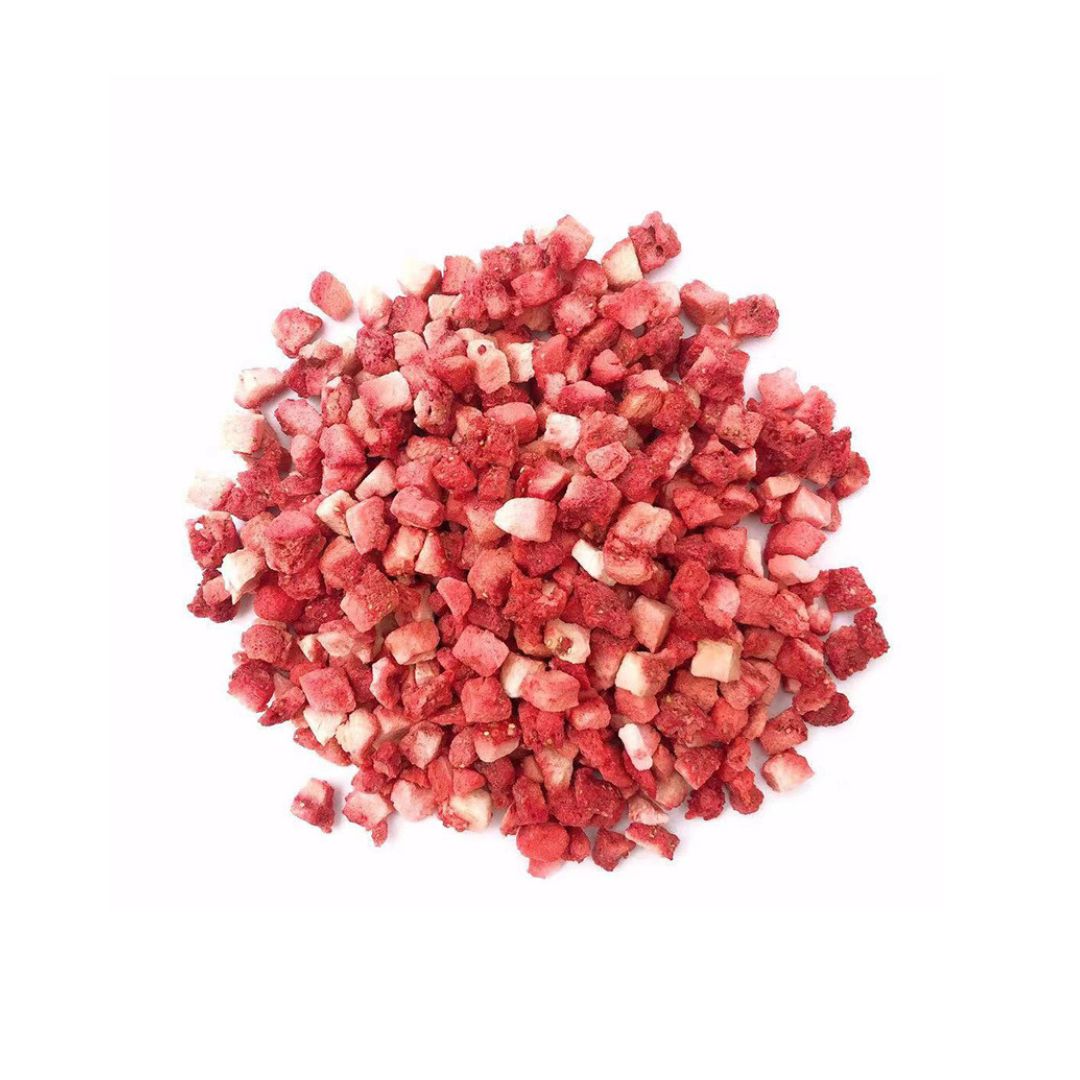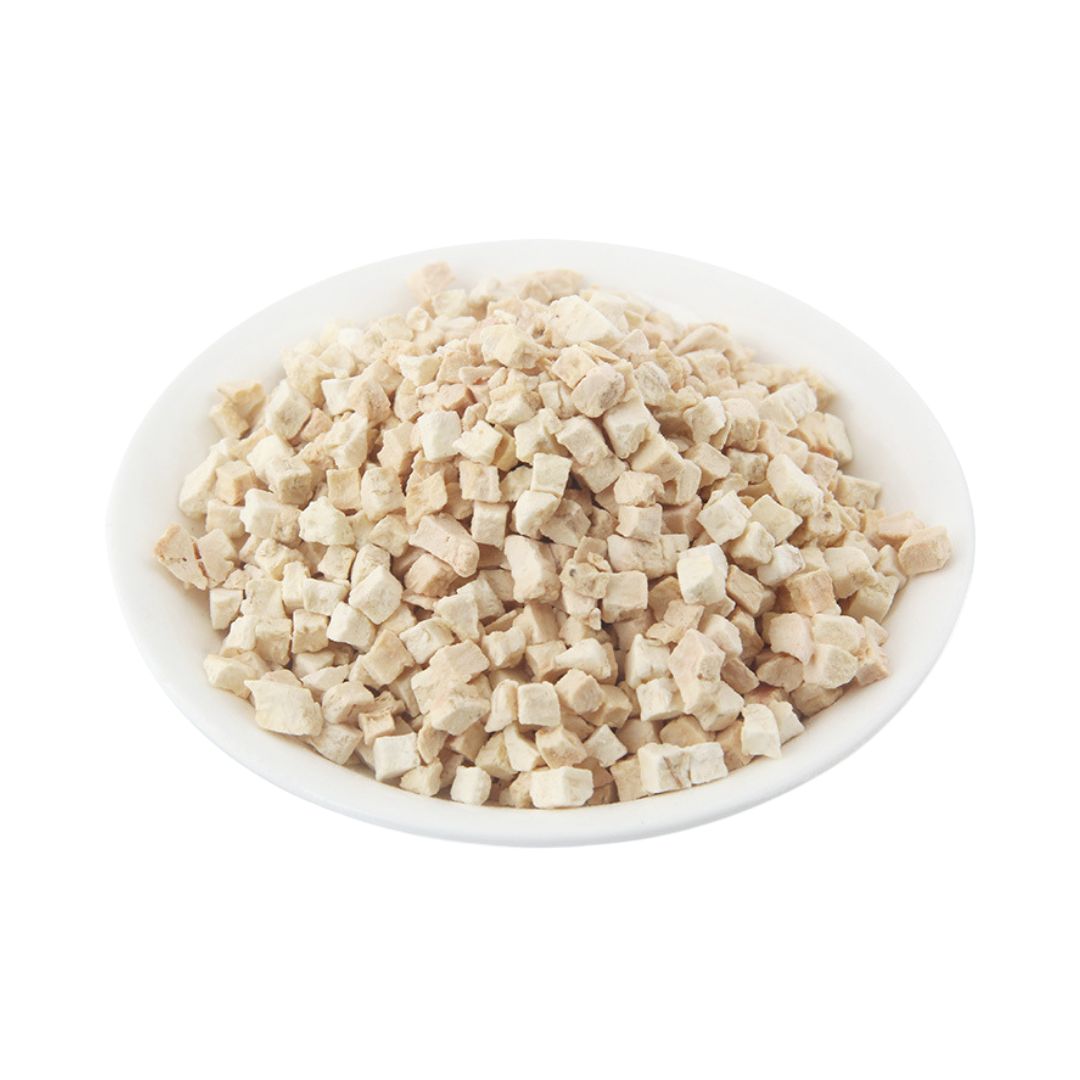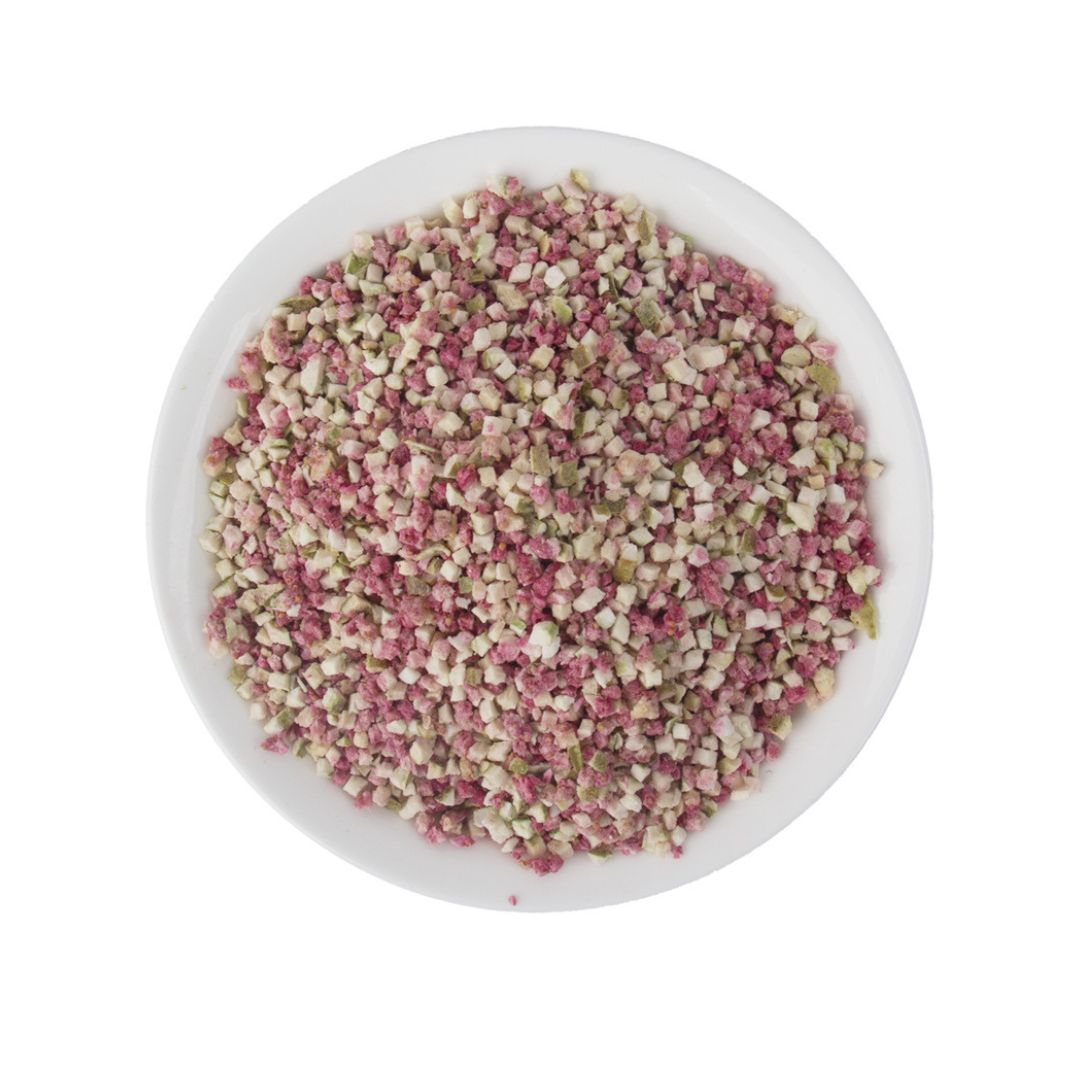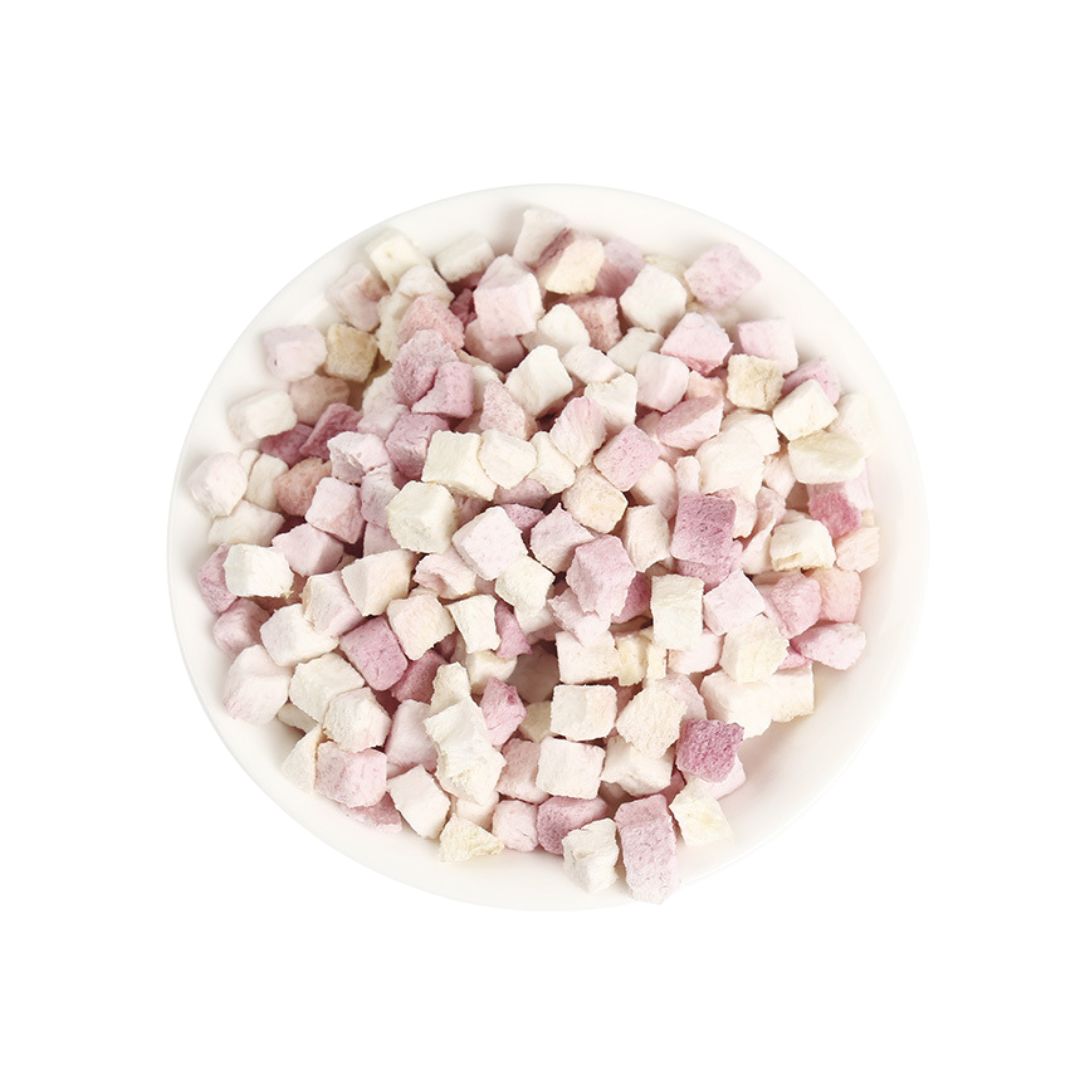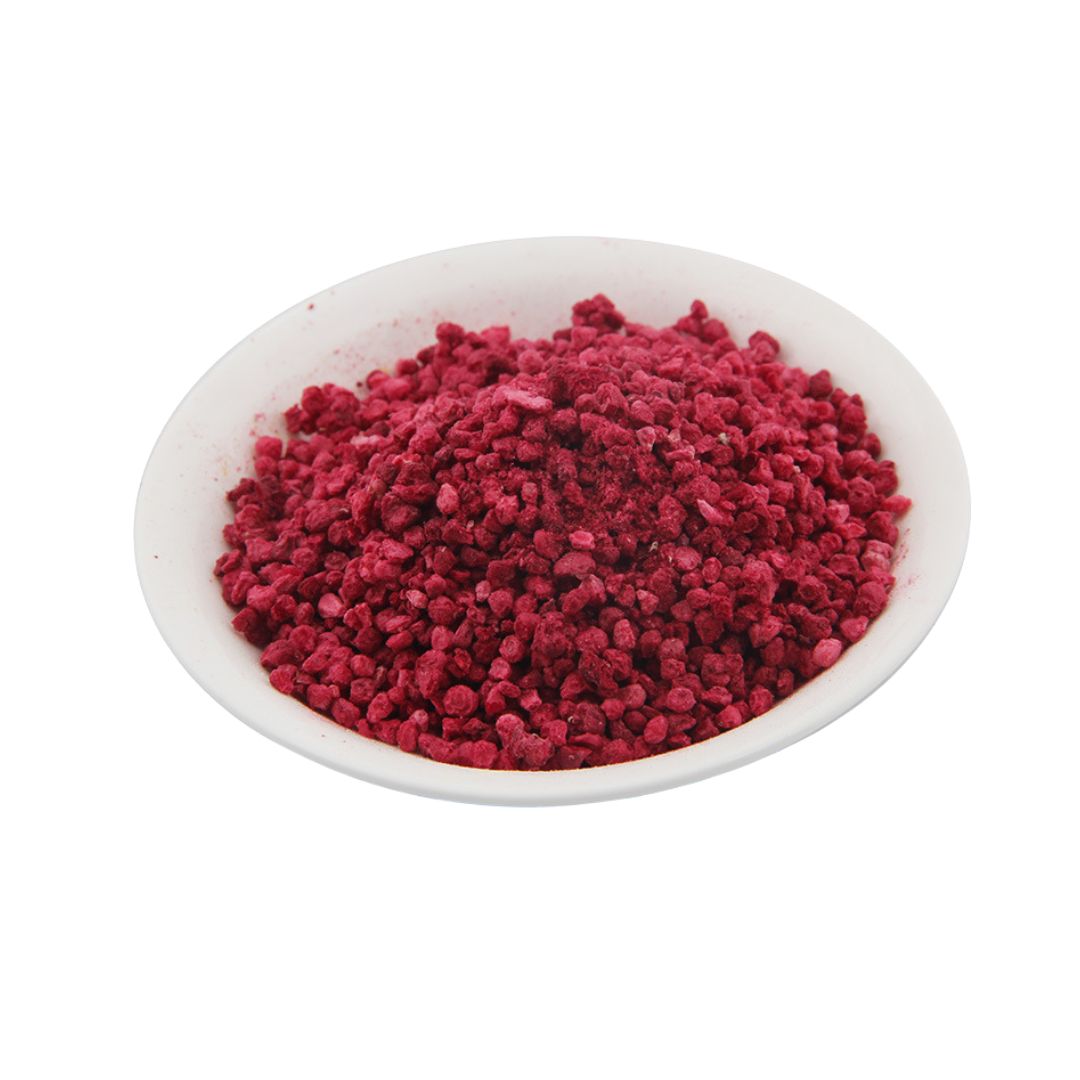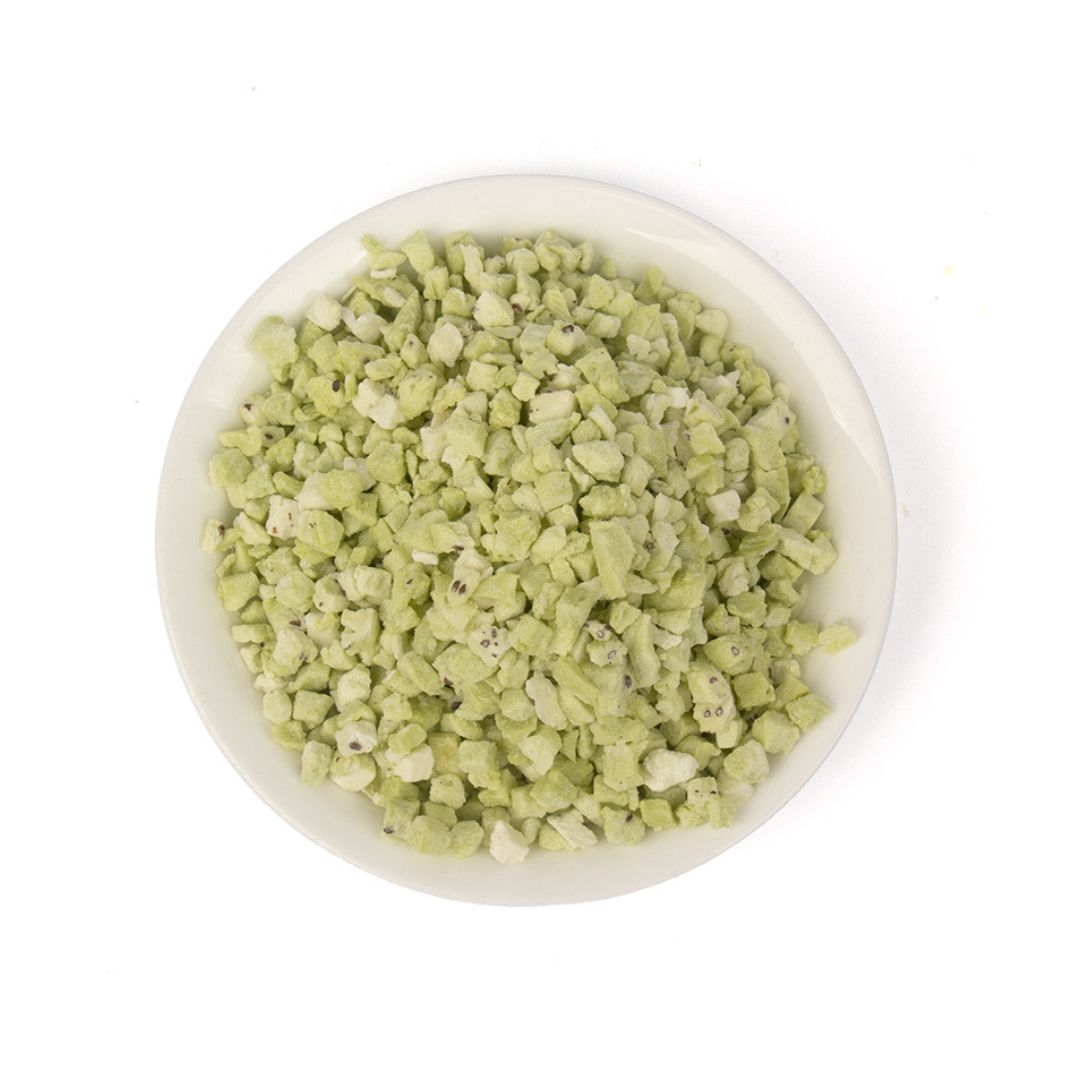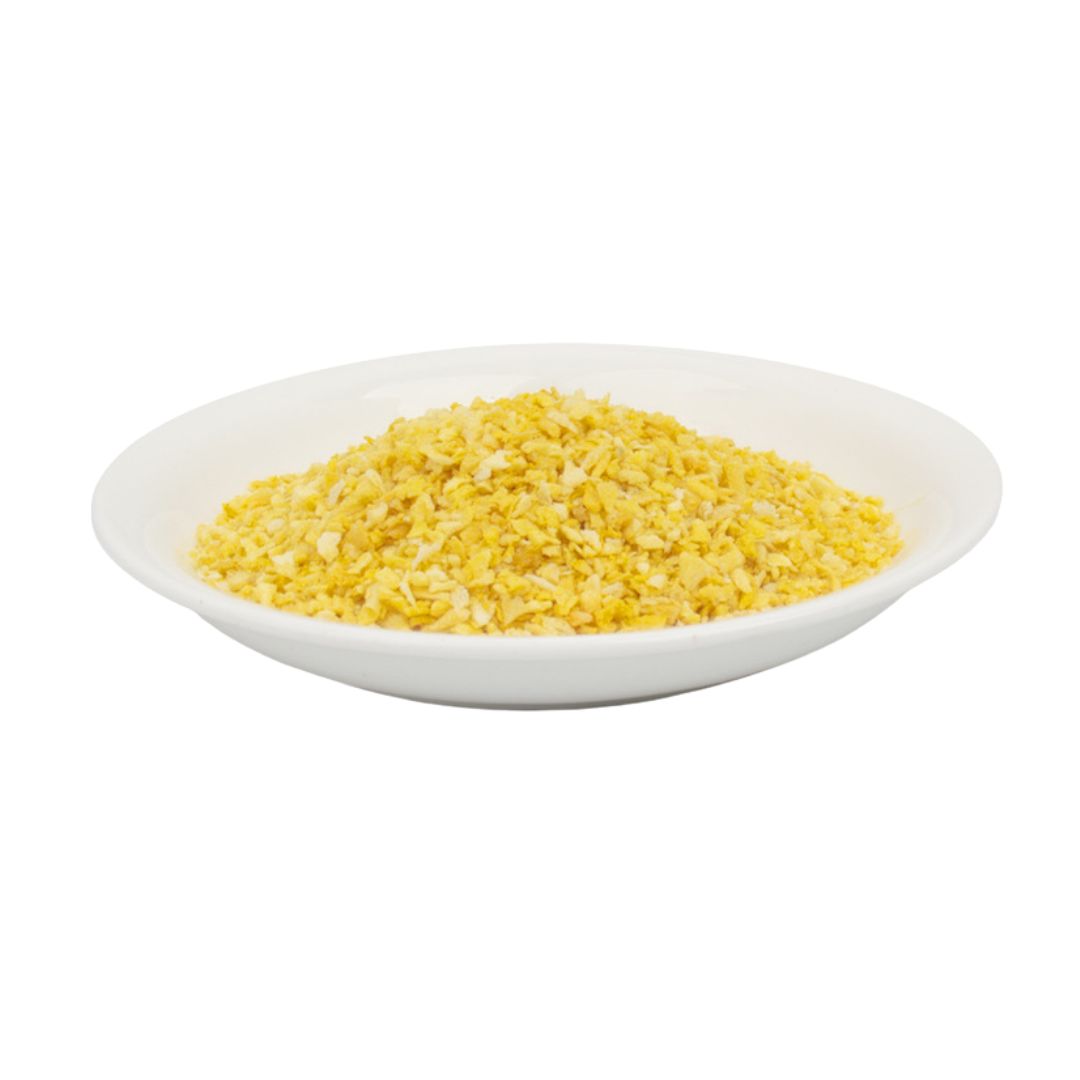


- Product Introduction
Freeze-dried mango cubes offer a convenient and shelf-stable way to enjoy the flavor and nutritional benefits of fresh mangoes, the freeze-drying process removes moisture, preserving the fruit's natural sweetness and nutrients as a result, they become a lightweight snack that can be taken everywhere.
- Production Process
The production of freeze-dried mango cubes begins with selecting ripe mangoes, next these mangoes are washed and cut into cubes, subsequently, the mango cubes are frozen, and then placed into a freeze-drying chamber, where the moisture is removed under vacuum at a low temperature in summary, this process preserves the mango's flavor, color, and nutrients, while resulting in a crisp texture.
- Nutritional Composition Table
| Nutrient | Amount per 100g |
|---|---|
| Calories | 340 kcal |
| Carbohydrates | 85 g |
| Fiber | 9 g |
| Vitamin C | 70 mg |
| Vitamin A | 1200 IU |
Note: Nutritional values are approximate and can vary based on mango variety and processing.
- Product Benefits and Functions
Freeze-dried mango cubes are rich in vitamin C, an antioxidant that supports immune function and skin health [1], furthermore, they provide vitamin A, essential for vision and cell growth [2], the dietary fiber in mangoes promotes digestive health and can help regulate blood sugar levels [3], additionally, mangoes contain antioxidants that combat oxidative stress in the body [4].
- Product Application Scenarios
Freeze-dried mango cubes can be enjoyed as a standalone snack, they can be added to trail mixes, cereals, and granola, the mango cubes are are a great topping for yogurt, ice cream, and desserts, they also add a tropical twist to baked goods such as muffins and cookies and can be rehydrated and used in smoothies, sauces, and chutneys.
- Botanical Source
Mangoes (Mangifera indica) are believed to have originated in South Asia, specifically India, Myanmar, and Bangladesh [5] , they are now cultivated in tropical and subtropical regions worldwide, the mango tree is a member of the Anacardiaceae family and valued for its fruit, which is enjoyed in various forms around the world.
- Packaging and Storage
Freeze-dried mango cubes are typically packaged in airtight, resealable bags to prevent moisture absorption and maintain their crispness, proper storage in a cool, dry place away from direct sunlight extends the shelf life of the product, preventing spoilage and maintaining quality, shelf life is typically 12–18 months.
Citations:
[1] Carr, A. C., & Maggini, S. (2017). Vitamin C and Immune Function. Nutrients, 9(11), 1211.
[2] Gilbert, C. (2013). What is vitamin A and why do we need it?. Community Eye Health, 26(84), 65.
[3] Anderson, J. W., et al. (1998). Health implications of dietary fiber. Nutrition Reviews, 56(1), 1-18.
[4] Manthey, J. A., et al. (2009). Phenolics in citrus peel extract inhibit inflammatory cell signaling and motility of human melanoma cells. Journal of Agricultural and Food Chemistry, 57(6), 2185-2193.
[5] Mukherjee, S. K. (1985). Systematic and ecogeographic studies on crop genepools. 1. Mango. International Board for Plant Genetic Resources.

As a sales manager, I’m here to make sure you get exactly what you need for your dietary supplements. From sourcing to delivery, I’m always by your side, ensuring smooth and friendly service. Let’s make your products even better! 🥰🌿