

Product Introduction
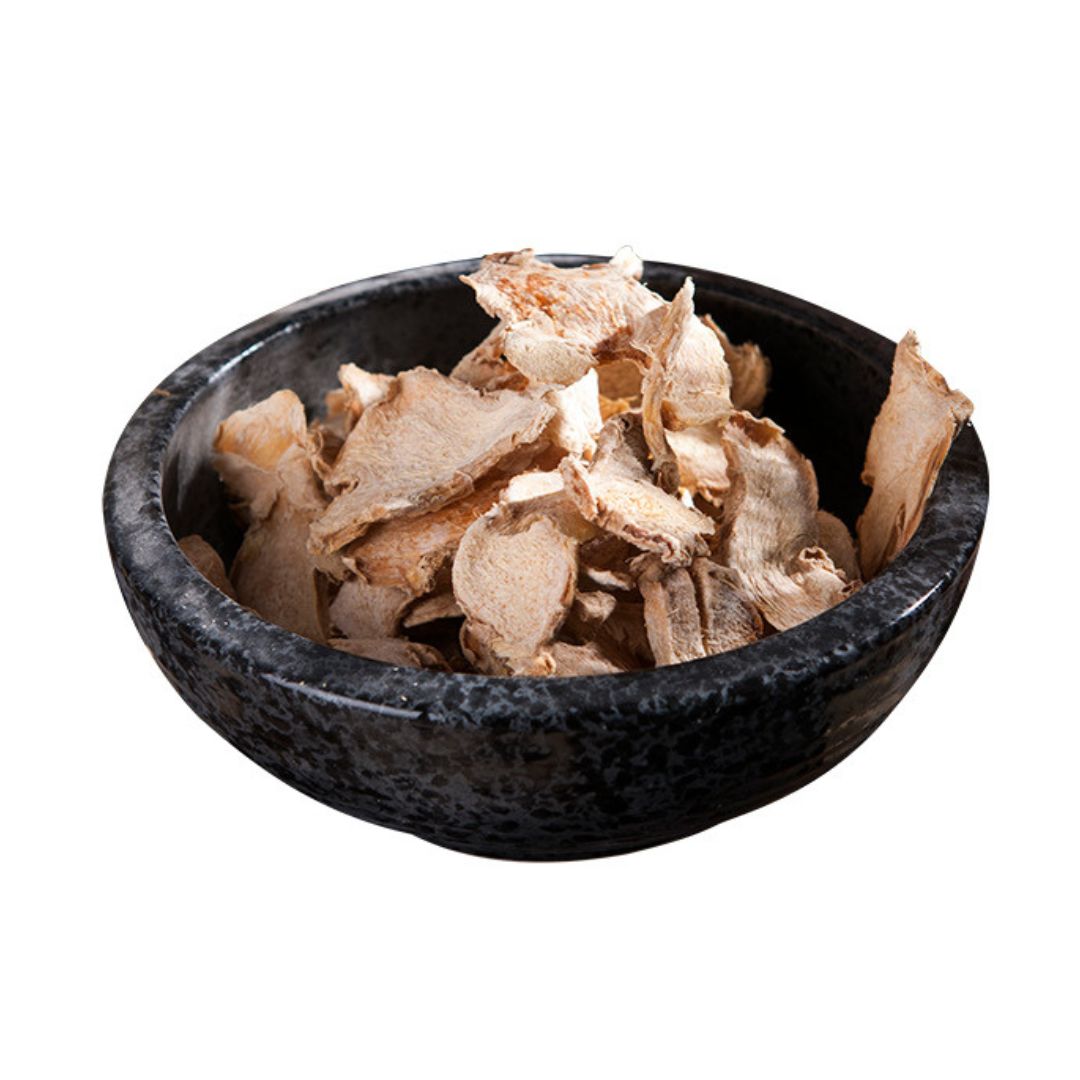
Dehydrated sliced ginger, derived from the rhizome of the Zingiber officinale plant, is a versatile product valued, both for its culinary and medicinal properties. The dehydration process concentrates the natural flavors and bioactive compounds found in fresh ginger, providing a convenient and shelf-stable ingredient for diverse applications. Ginger has a long history of use across various cultures, dating back thousands of years. Ancient Chinese and Indian texts describe its medicinal uses for treating ailments such as nausea, arthritis, and inflammation [1]. Today, dehydrated ginger slices retain these beneficial properties, while offering ease of use, and extended shelf life, compared to the fresh root.
Production Process
The production of dehydrated sliced ginger begins with the selection of mature ginger rhizomes. Fresh ginger roots are harvested, and washed to remove any soil or debris. Next, the ginger rhizomes are typically peeled, although some processes leave the peel on, depending on the desired final product characteristics. The rhizomes are then sliced into thin, uniform pieces using mechanical slicers, to ensure consistent drying.
The sliced ginger undergoes a dehydration process, which can be achieved through several methods. Air-drying or sun-drying is a traditional method, where the ginger slices are spread on trays and exposed to warm air and sunlight, reducing the moisture content over several days [2]. This method is cost-effective but can result in some loss of volatile oils, and flavor compounds. Oven-drying, or using dehydrators, provides more controlled conditions, with consistent temperatures and airflow, which helps to preserve the product's quality, and flavor. Freeze-drying, also known as lyophilization, is a more advanced technique that involves freezing the ginger slices and then removing the ice, through sublimation under vacuum [3]. This method retains the most flavor, aroma, and nutritional value, because it happens at low temperatures, and minimizes heat damage.
After drying, the ginger slices are sorted to remove any discolored or damaged pieces. Quality control checks are performed, to, ensure the moisture content meets the required standards, typically around 10% or lower, to prevent microbial growth, and maintain shelf stability. Finally, the dehydrated ginger slices are packaged in airtight containers, or moisture-proof bags, to protect them from moisture, light, and air, and to extend their shelf life.
Product Applications
Dehydrated sliced ginger is used extensively in the culinary world. It adds a warm, spicy flavor to a variety of dishes, including stir-fries, soups, sauces, and marinades. Its concentrated flavor means smaller quantities are needed compared to fresh ginger. It is also a common ingredient in baked goods, where it imparts a distinctive taste, to cookies, cakes, and breads [4].
In the beverage industry, dehydrated ginger slices are used to make ginger tea or to flavor other herbal infusions. The slices can be steeped in hot water to create a soothing beverage, known, for its digestive benefits, and its ability to relieve nausea [5].
Beyond its culinary applications, dehydrated ginger is valued for its medicinal properties. It is used in traditional medicine, to treat digestive issues, reduce inflammation, and alleviate cold and flu symptoms. The active compounds in ginger, such as gingerol, contribute to its anti-inflammatory, and antioxidant effects [6]. Many supplements and herbal remedies incorporate dehydrated ginger, for its health benefits.
Packaging and Storage
Proper packaging and storage are essential to maintain the quality and extend the shelf life of dehydrated sliced ginger. The, primary goal of packaging is to protect the product from moisture, light, and air, which can degrade its flavor, aroma, and bioactive compounds. Airtight containers, such as glass jars, or resealable plastic bags, are commonly used. These materials provide a barrier against moisture and oxygen, preventing the ginger slices from becoming soft, or losing their flavor.
The packaging material should also be opaque, or tinted, to block out light, which can cause oxidation, and loss of quality. Vacuum-sealed packaging is another effective method, as it removes air from the package, further minimizing oxidation, and preserving the product's characteristics [7].
Storage conditions play a crucial role, in maintaining the quality of dehydrated ginger. The product should be stored in a cool, dry, and dark place. High temperatures, and humidity can accelerate the degradation process, leading to a loss of flavor, and the potential for microbial growth. A pantry, or cupboard away from direct sunlight, and heat sources, is an ideal storage location.
Under optimal storage conditions, dehydrated sliced ginger can maintain its quality for 12 to 24 months. However, it is important to periodically check the product for any signs of spoilage, such as changes in color, odor, or texture. If any of these changes are observed, the product should be discarded.
Citations:
- Ghayur, M. N., & Gilani, A. H. (2005). Ginger lowers blood pressure through blockade of voltage-dependent calcium channels. Journal of Cardiovascular Pharmacology, 45(1), 74-81.
- ইসলামী, এমআর; ল্যাংকা, এএইচ; বারক, জি.; ইউসুফ, এমএই; হামিদ, এ. উন্নত মানের সাথে শুঁঠি উৎপাদনের জন্য উদ্ভাবনী সৌর ড্রায়ার। সার্ক জে. খাদ্য অ্যাগ্রিক। 2023, 31, 190-200।
- Ratti, M. (2001). Hot air and freeze-drying of high-value foods: a review. Journal of Food Engineering, 49(4), 311-319.
- Tan, S. Y., & Khalil, A. A. (2021). Ginger—A functional herb. In Herbal Medicine (pp. 157-175). CRC Press.
- Ernst, E., & Pittler, M. H. (2000). Efficacy of ginger for nausea and vomiting: a systematic review of randomized clinical trials. British Journal of Anaesthesia, 84(3), 367-371.
- Bartels, E. M., Folmer, V. N., Bliddal, H., Altman, R. D., Juhl, C., Kristensen, L. E., … & Tarp, S. (2015). Efficacy and safety of ginger in osteoarthritis patients: a meta-analysis of randomized placebo-controlled trials. Osteoarthritis and Cartilage, 23(1), 13-21.
- Robertson, G. L. (2013). Food packaging: Principles and practice. CRC press.

As a sales manager, I’m here to make sure you get exactly what you need for your dietary supplements. From sourcing to delivery, I’m always by your side, ensuring smooth and friendly service. Let’s make your products even better! 🥰🌿