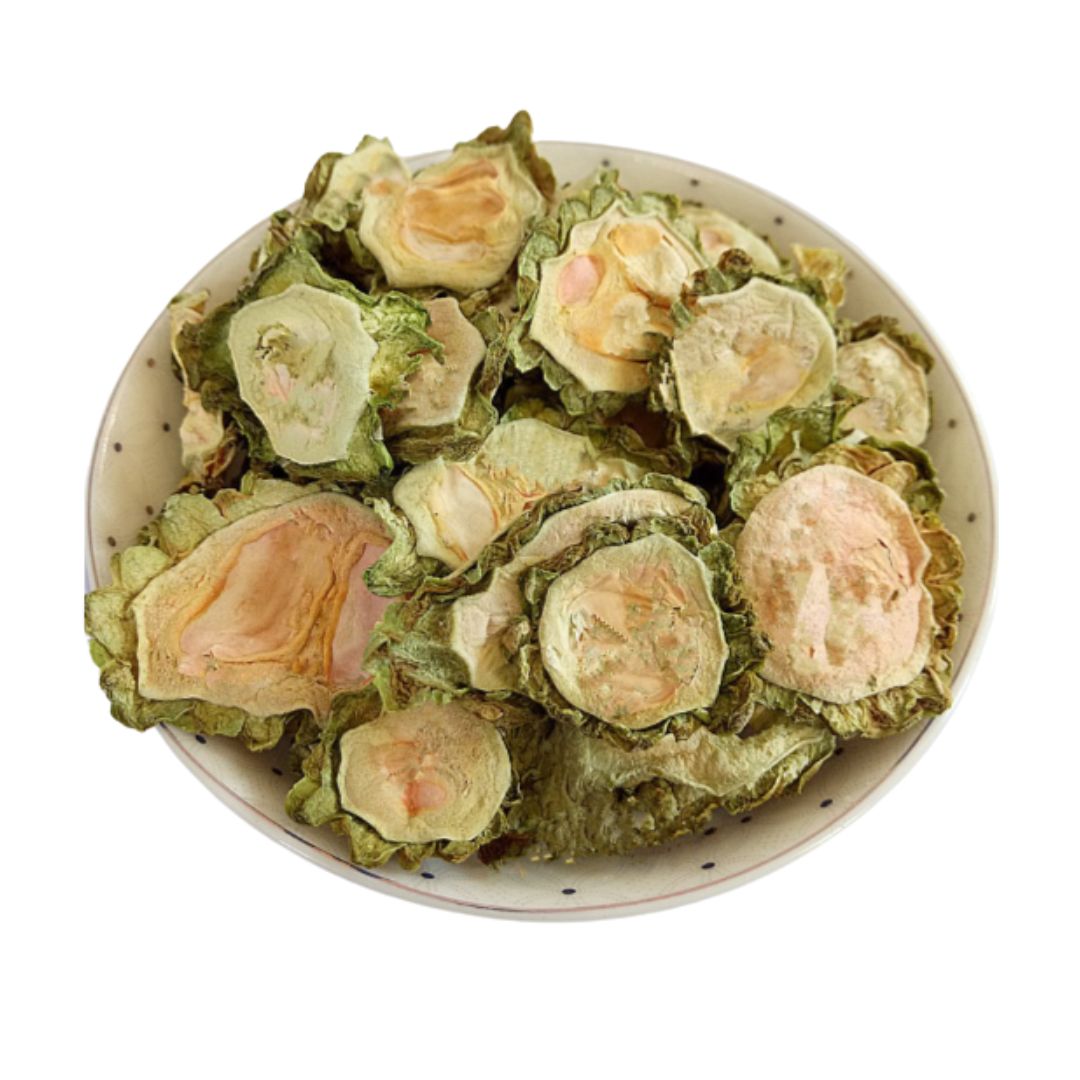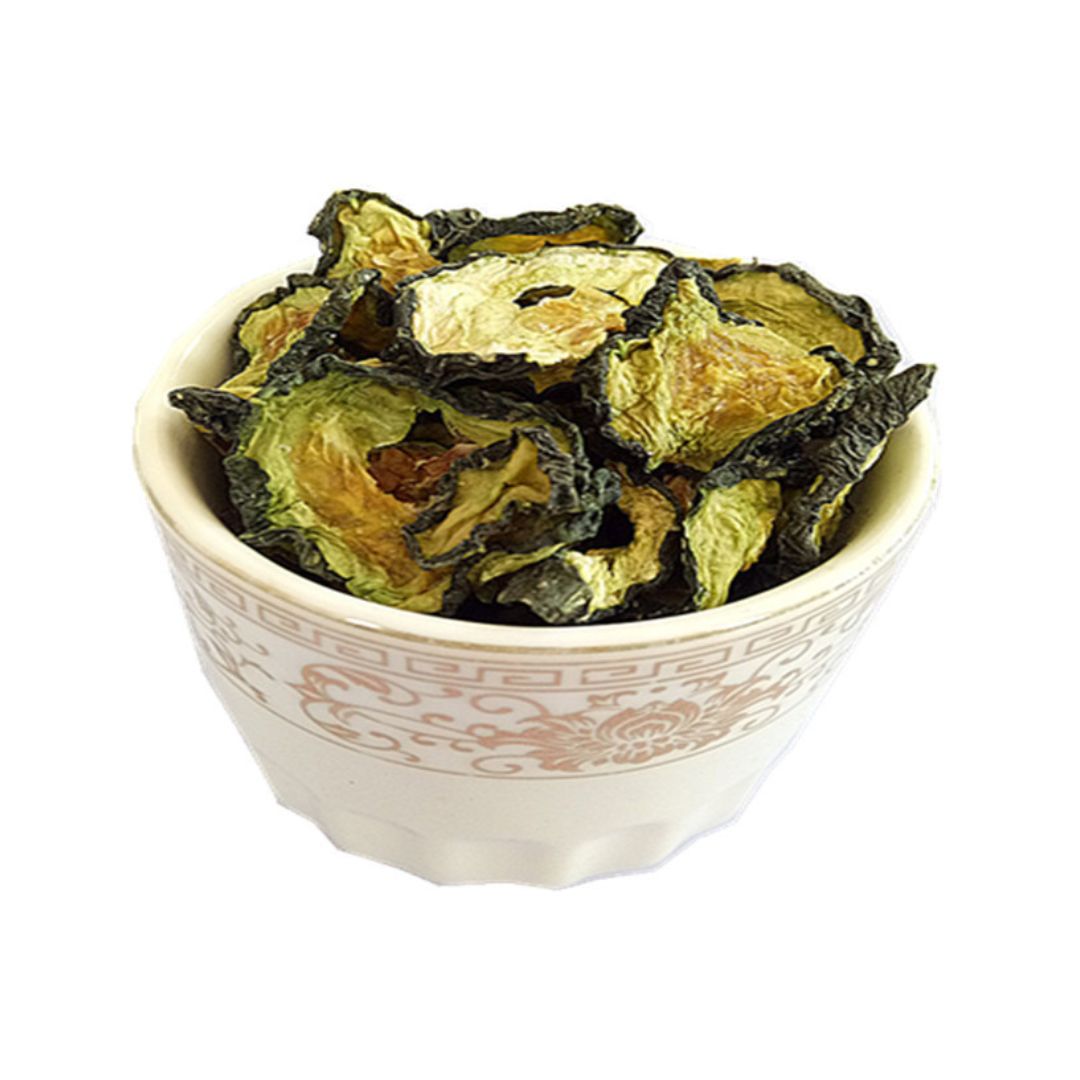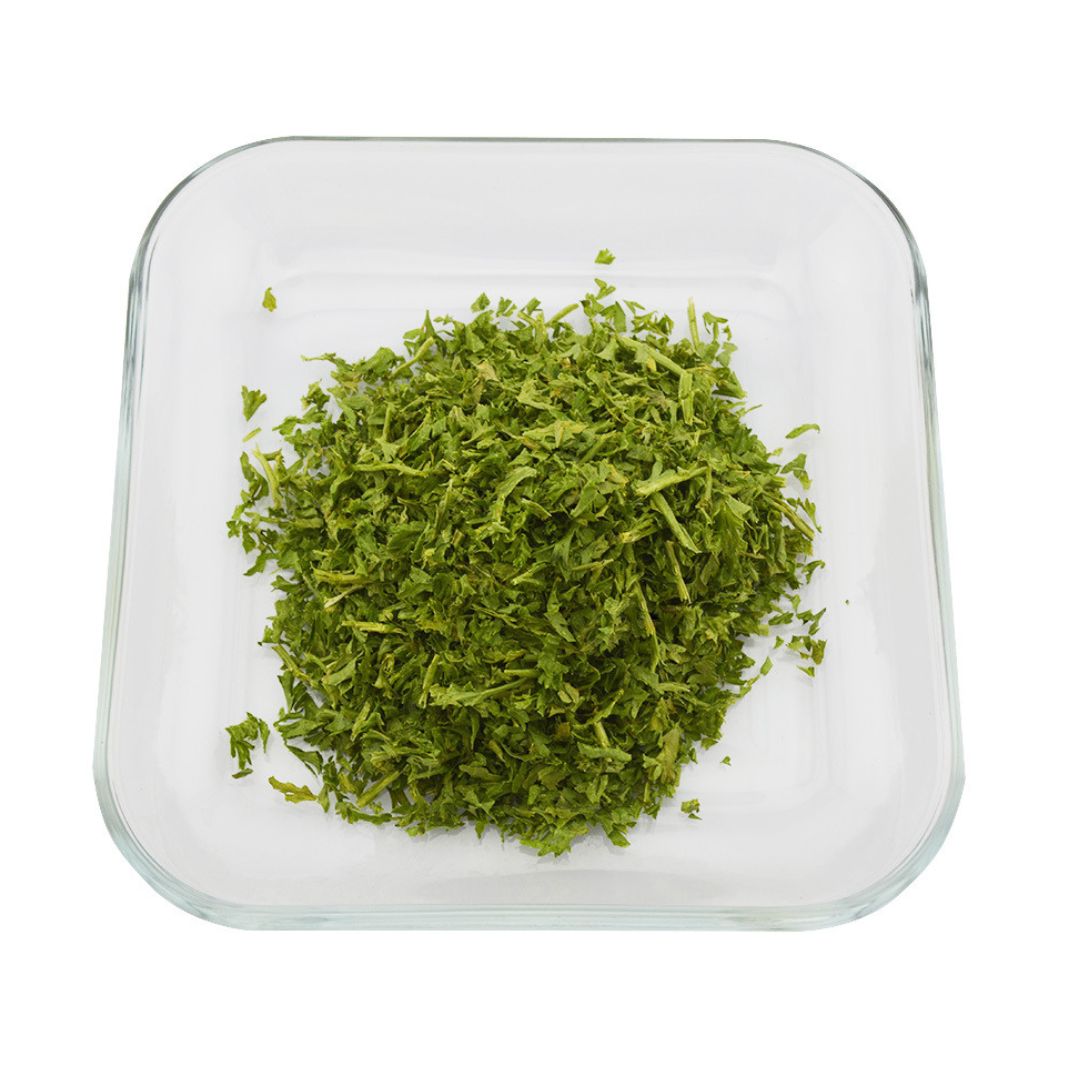


Product Introduction
Dehydrated sliced parsley is a convenient alternative to fresh parsley, offering a long shelf life and concentrated flavor. Parsley, Petroselinum crispum, is a widely used herb in various cuisines, known for its fresh, slightly peppery taste and vibrant green color. Dehydration preserves these qualities, making it a staple in food manufacturing and home cooking. The herb provides vitamins A and C, and antioxidants, contributing nutritional value. Dehydrated parsley offers ease of use and consistent quality.
Production Process
The production of dehydrated sliced parsley begins with the selection of fresh, high-quality parsley. The parsley is harvested at its peak to ensure maximum flavor and nutritional content. After harvesting, the parsley is thoroughly washed to remove any dirt or debris. The washed parsley is then sliced into uniform pieces, typically 1-3 mm in size, to facilitate even drying.
The sliced parsley is spread in a thin layer on trays and placed in a drying chamber. Air-drying is the most common method, using controlled temperature and airflow to remove moisture. Dehydration continues until the moisture content is reduced to below 10%, preventing microbial growth and preserving the herb's quality. The dried parsley is then inspected for quality, sorted to remove any discolored or damaged pieces, and packaged for distribution.
Product Applications
Dehydrated sliced parsley can be used in diverse culinary applications. It is commonly added to soups, stews, and sauces for flavor and visual appeal. As a garnish, it enhances the presentation of dishes. In the food industry, it is used in seasoning blends, dry mixes, and ready-to-eat meals. Dehydrated parsley can be rehydrated by soaking it in water for a few minutes, restoring some of its fresh-like qualities. Its consistent particle size ensures even distribution of flavor in recipes.
Packaging and Storage
Dehydrated sliced parsley should be packaged in airtight containers to prevent moisture absorption and maintain its quality. Suitable packaging materials include sealed plastic bags, glass jars, and metal containers. The packaging should protect the product from light and air exposure, which can degrade its color and flavor. Proper storage is critical to extend the shelf life of dehydrated parsley. It should be stored in a cool, dry place, away from direct sunlight and heat sources. Ideal storage conditions include a temperature below 70°F (21°C) and low humidity. Under these conditions, dehydrated sliced parsley can maintain its quality for up to 12 months.
Citations
- Bora, P., et al. "Effect of drying methods on the nutritional composition and antioxidant activity of parsley leaves." Journal of Food Science and Technology 54.7 (2017): 1871-1880.
- Nowak, A., et al. "Effect of packaging and storage conditions on the quality of dried herbs." Journal of Food Processing and Preservation 43.9 (2019): e14098.

As a sales manager, I’m here to make sure you get exactly what you need for your dietary supplements. From sourcing to delivery, I’m always by your side, ensuring smooth and friendly service. Let’s make your products even better! 🥰🌿