

Product Introduction
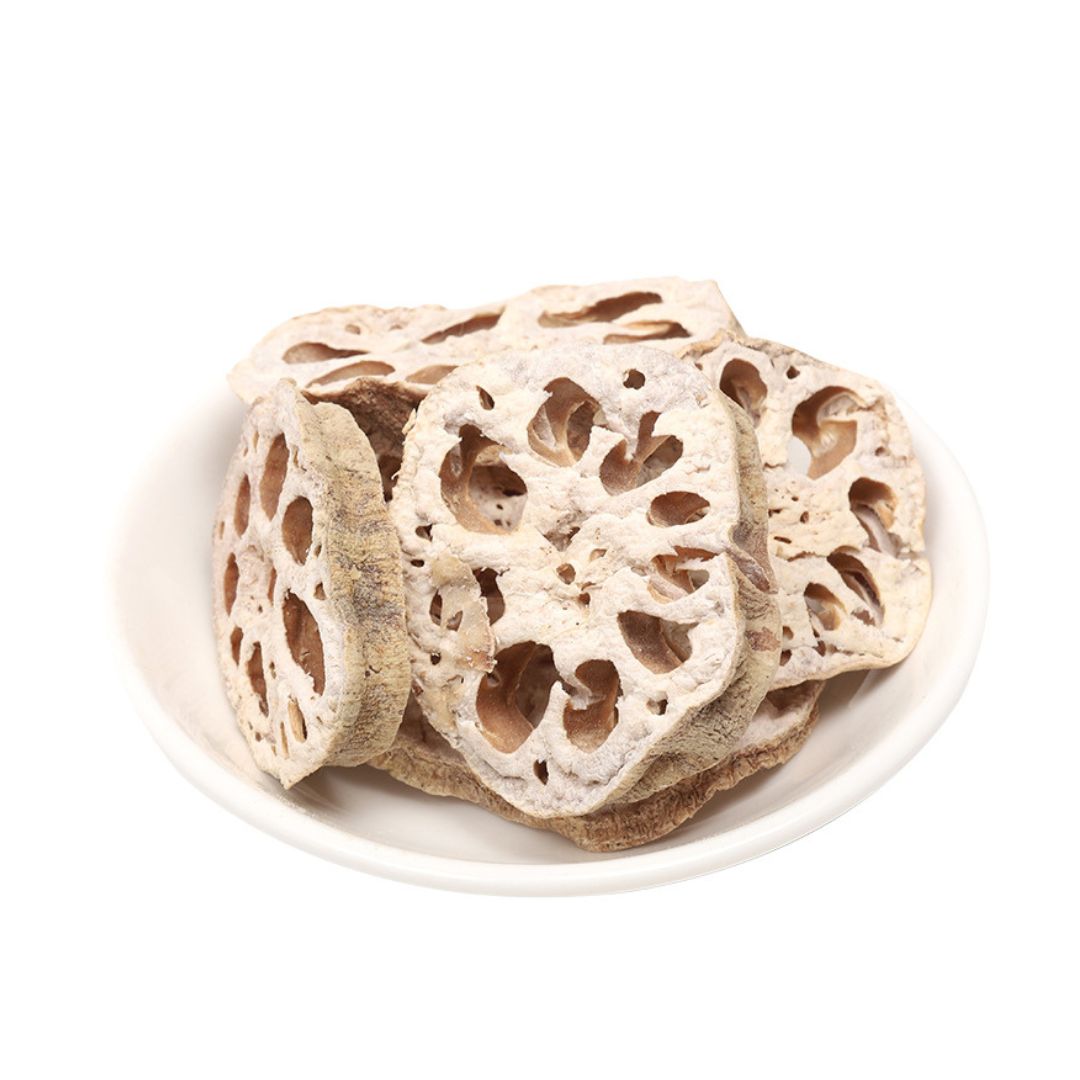
Dehydrated sliced lotus root is derived from the lotus plant (Nelumbo nucifera), a rhizome vegetable celebrated for its distinctive appearance, mild flavor, and nutritional benefits. The dehydration process extends the shelf life of the lotus root while retaining its essential qualities. This product offers convenience and versatility in culinary applications.
The lotus root is characterized by its unique, symmetrical air channels which create an appealing visual texture when sliced. This feature remains noticeable even after dehydration and rehydration. As a result, dehydrated lotus root slices are valued not only for their taste and nutritional content but also for their aesthetic appeal in various dishes.
Production Process
The production of dehydrated sliced lotus root begins with the selection of fresh lotus roots. These roots are carefully harvested, washed, and inspected to ensure they meet quality standards. The lotus roots are then peeled and sliced into uniform pieces, usually ranging from 2 to 5 millimeters in thickness, to facilitate even drying.
The slices are typically blanched to inactivate enzymes that could cause browning or degradation of flavor and texture during the dehydration process. Blanching also helps to preserve the natural color of the lotus root. After blanching, the slices are spread evenly on trays and placed in a dehydrator where hot air is circulated at a controlled temperature, usually between 50°C and 70°C (122°F and 158°F), until the moisture content is reduced to a level that inhibits microbial growth, typically below 10%. [1]
Once the drying process is complete, the dehydrated lotus root slices are cooled, sorted, and packaged to prevent moisture absorption and maintain product quality. Quality control measures are implemented throughout the production process to ensure that the final product meets established standards for color, texture, moisture content, and overall appearance.
Product Applications
Dehydrated lotus root slices can be rehydrated by soaking them in warm water for approximately 15 to 30 minutes, or until they regain their original texture. Rehydrated lotus root slices can then be added to soups, stews, and stir-fries, where they contribute a slightly sweet and crunchy element. [2]
In addition to being used in savory dishes, dehydrated lotus root slices can be seasoned and roasted to create a crunchy snack. They can also be ground into a powder and used as a thickening agent in sauces or as an ingredient in baked goods. The versatility of dehydrated lotus root makes it a valuable addition to a variety of culinary applications. Moreover, lotus root is often used in traditional medicine and is believed to have health benefits due to its fiber, vitamin and mineral content. [3]
Packaging and Storage
Dehydrated lotus root slices are typically packaged in airtight containers, such as sealed bags or jars, to prevent moisture absorption and maintain product quality. The packaging material should be impermeable to moisture and oxygen to prevent spoilage and maintain the flavor and texture of the lotus root.
The product should be stored in a cool, dry place, away from direct sunlight and sources of heat. An ideal storage temperature is below 20°C (68°F) with relative humidity below 60%. Under these conditions, dehydrated lotus root slices can maintain their quality for up to 12 months. Proper storage is crucial to prevent the development of off-flavors, discoloration, and microbial growth. [4]
Citations
[1] – Mujumdar, A. S. (2006). Handbook of Industrial Drying, Third Edition. CRC Press.
[2] – Singh, B., et al. (2019). Lotus Root—A Potential Underutilized Vegetable: A Review. Journal of Food Science and Technology, 56(7), 3089–3100.
[3] – USDA FoodData Central. (n.d.). Lotus Root, Raw. U.S. Department of Agriculture.
[4] – Rahman, M. S. (2007). Handbook of Food Preservation, Second Edition. CRC Press.

As a sales manager, I’m here to make sure you get exactly what you need for your dietary supplements. From sourcing to delivery, I’m always by your side, ensuring smooth and friendly service. Let’s make your products even better! 🥰🌿