

Product Introduction
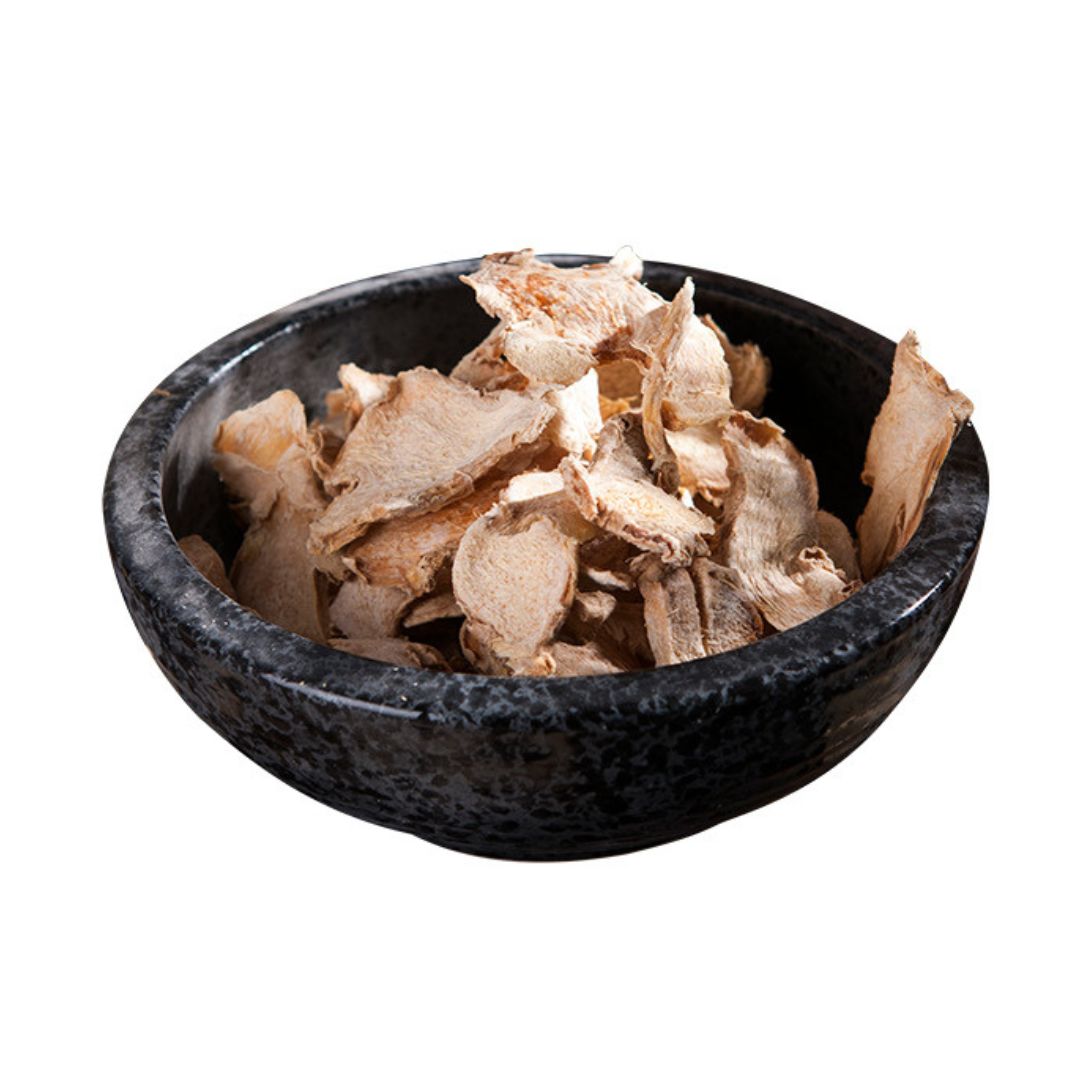
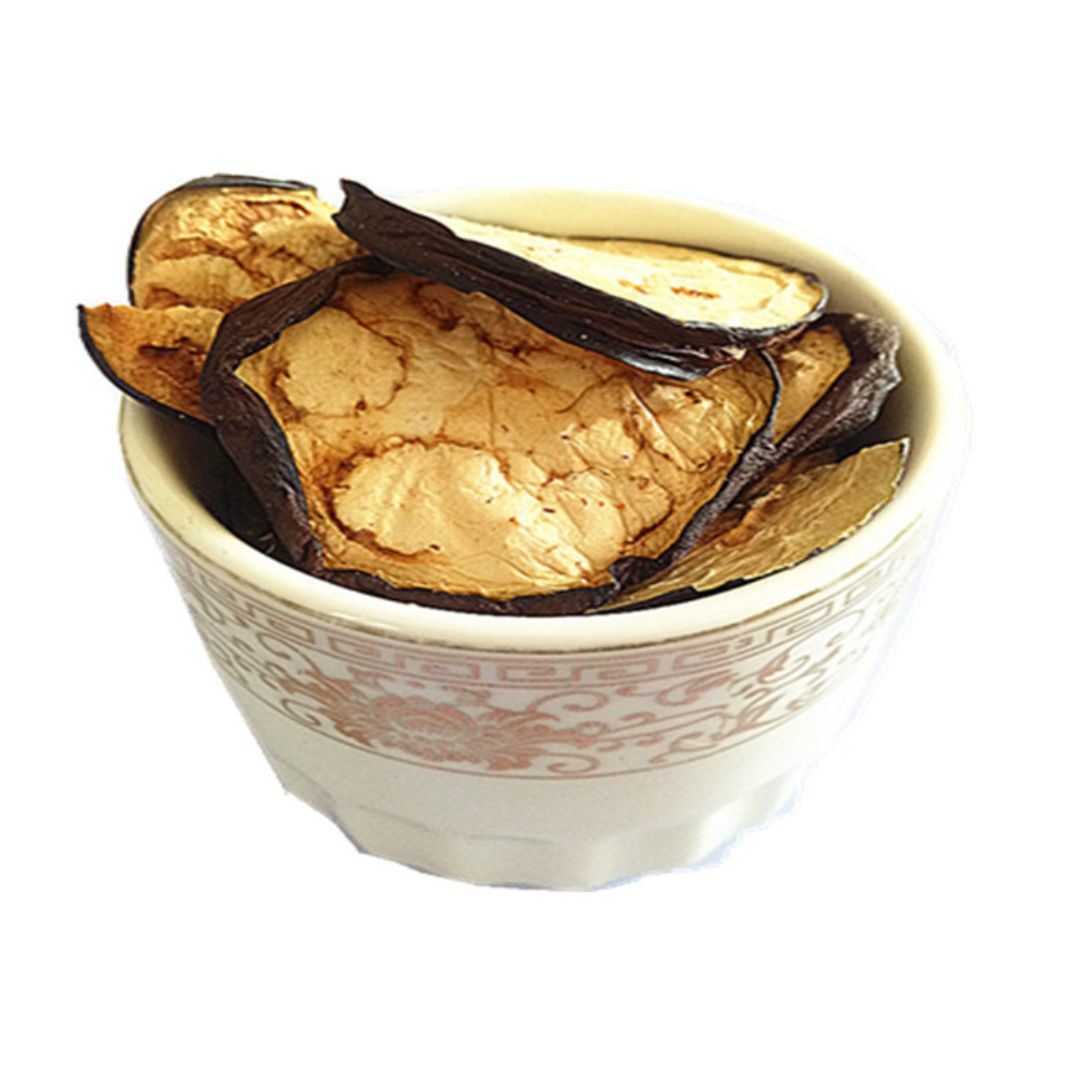
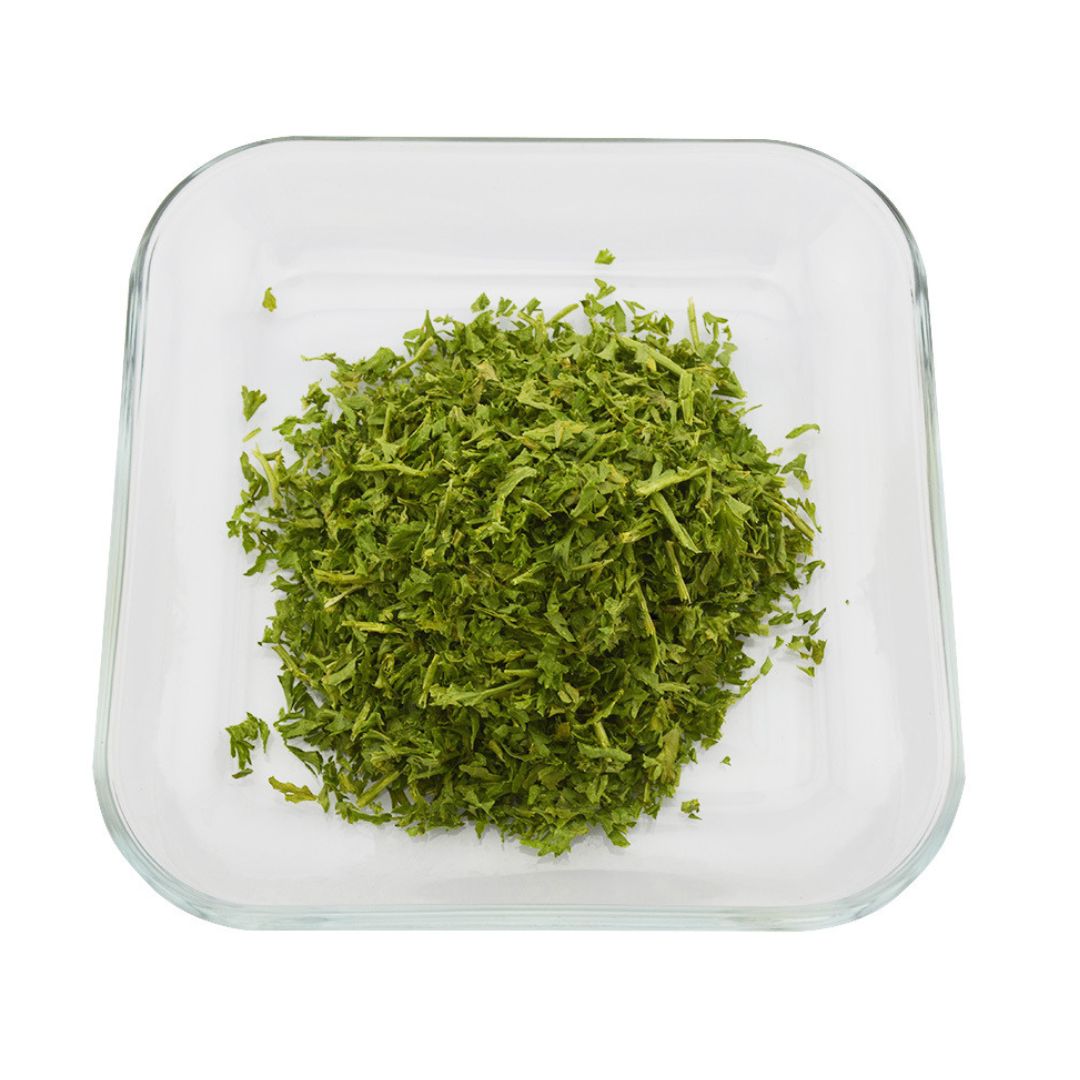
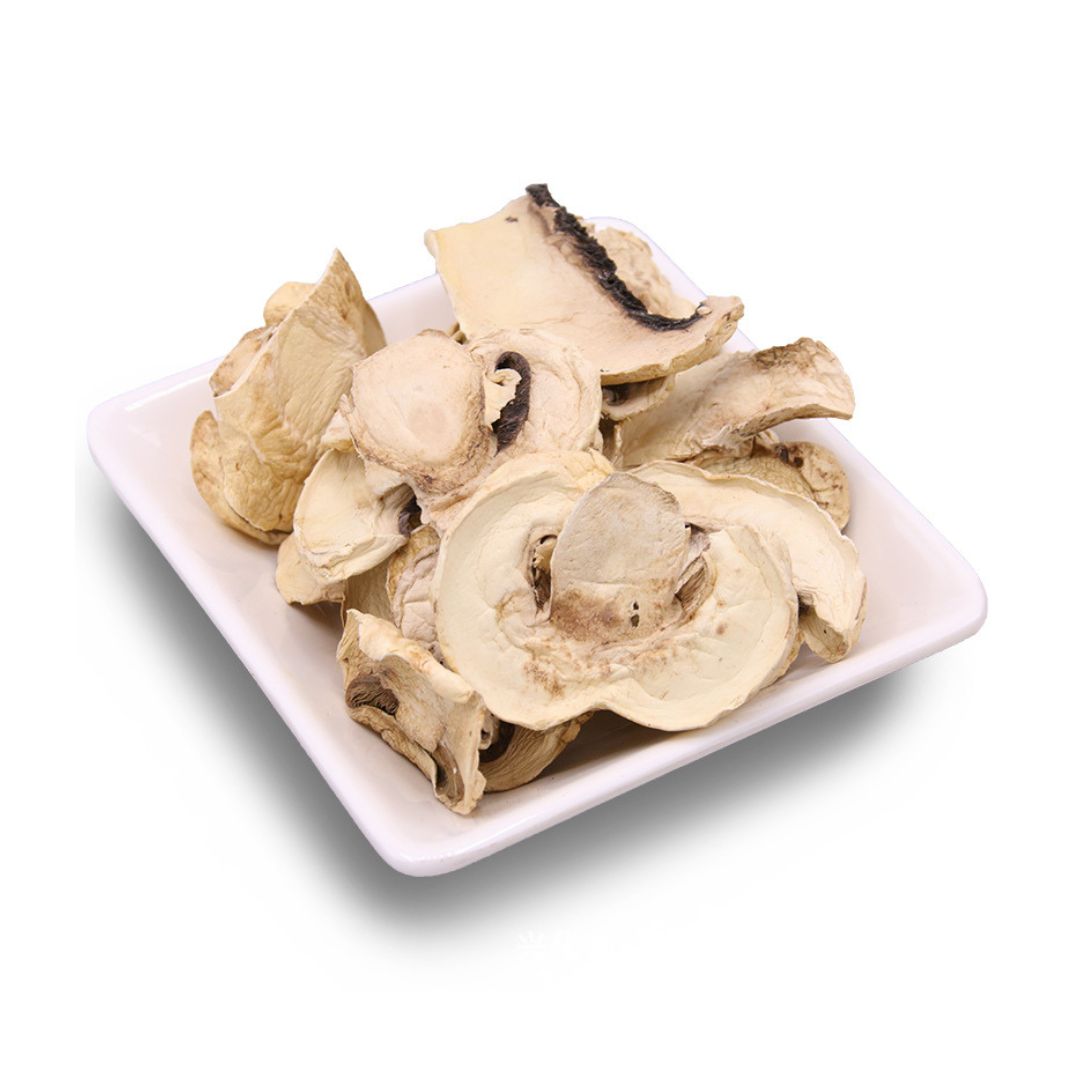
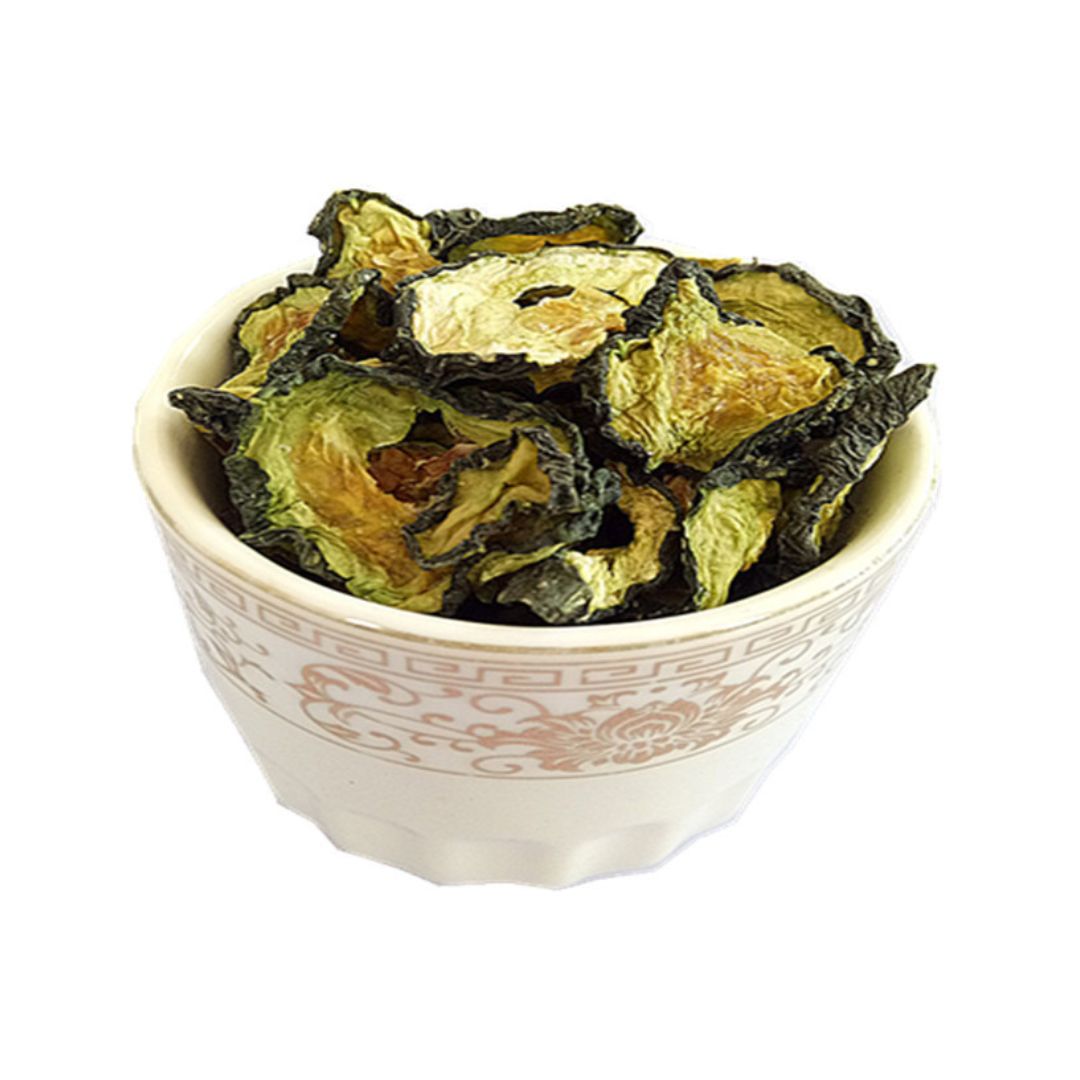
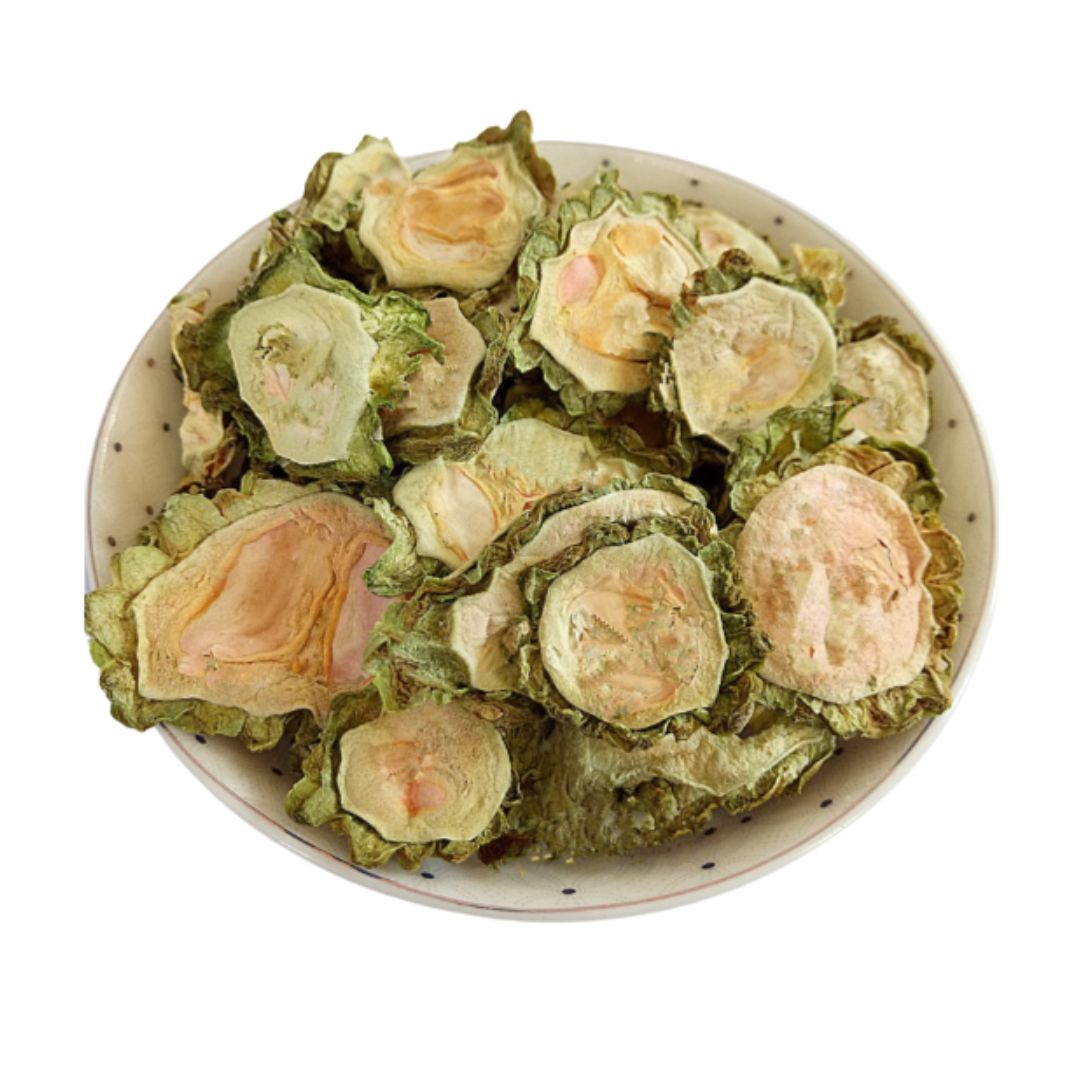
Dried bitter melon is derived from the fresh fruit of Momordica charantia, commonly known as bitter melon or bitter gourd. The dehydration process reduces the moisture content of the melon, which concentrates its natural bitter compounds and nutrients, and extends its shelf life significantly. This product is widely used in culinary and traditional medicine practices, particularly in Asian countries. The characteristic bitterness of the dried melon comes from compounds like momordicin, which is believed to contribute to several health benefits.
Production Process
The production of dried bitter melon begins with selecting mature but firm, fresh bitter melons. The melons are washed thoroughly to remove any surface dirt and debris. Next, the melons are sliced, typically into thin pieces to facilitate efficient drying. Blanching may be applied to inhibit enzymatic browning and preserve the color. The prepared slices are then placed in a dehydrator, where heated air circulates to remove moisture. Temperatures and drying times vary but are usually set to retain the nutritional content and prevent scorching. Freeze-drying, an alternative method, involves freezing the melon slices and then subjecting them to a vacuum to remove ice crystals through sublimation, which can better preserve the taste, color, and nutrients but is somewhat more expensive. Quality control checks, including moisture content assessment and visual inspection, are conducted before packaging to ensure the dried bitter melon meets the set standards.
Product Applications
Dried bitter melon finds broad utility in various applications. In culinary settings, the dried slices are often rehydrated and added to soups, stews, and stir-fries, imparting a distinctive bitter flavor that is much appreciated in certain cuisines, namely Indian and Chinese cuisines. Some people use it to prepare bitter melon tea, which is consumed for its potential health benefits. Ground dried bitter melon can also be used as a convenient ingredient in smoothies or capsules. In traditional medicine, it is often used to manage blood sugar levels and support digestive health. Additionally, research suggests potential anti-inflammatory and antioxidant properties, expanding its use in health and wellness products.
Packaging and Storage
Packaging is critical to maintaining the quality of dried bitter melon. It is typically packaged in airtight, moisture-proof containers, such as sealed bags or jars, to prevent moisture absorption and maintain its dryness. Proper labeling includes product name, weight, production date, and best-by date. Storage recommendations advise keeping the product in a cool, dark, and dry environment; excessive heat and humidity can degrade the product quality and reduce its shelf life. Under optimal conditions, dried bitter melon can maintain its quality for 12 to 18 months. Regular inspection for any signs of moisture or spoilage is recommended to ensure product safety and quality throughout the storage period.
Citations:
- Fuangkaew, M., Lamom, C., & Voraratn, S. (2021). Effect of different drying methods on bioactive compounds and antioxidant activity of bitter melon (Momordica charantia L.). Food Chemistry, 338, 128069.https://doi.org/10.1016/j.foodchem.2020.128069
- Jia, S., Shen, S., Zhang, F., & Xie, J. (2017). Bitter melon (Momordica charantia): A dietary approach to hyperglycemia. Journal of Medicinal Food, 20(6), 535-542. https://doi.org/10.1089/jmf.2016.3985
- Krawinkel, M. B., & Keding, G. B. (2006). Bitter gourd (Momordica charantia): A dietary approach to hyperglycemia. Nutrition Reviews, 64(7), 331–337. https://doi.org/10.1111/j.1753-4887.2006.tb00214.x

As a sales manager, I’m here to make sure you get exactly what you need for your dietary supplements. From sourcing to delivery, I’m always by your side, ensuring smooth and friendly service. Let’s make your products even better! 🥰🌿