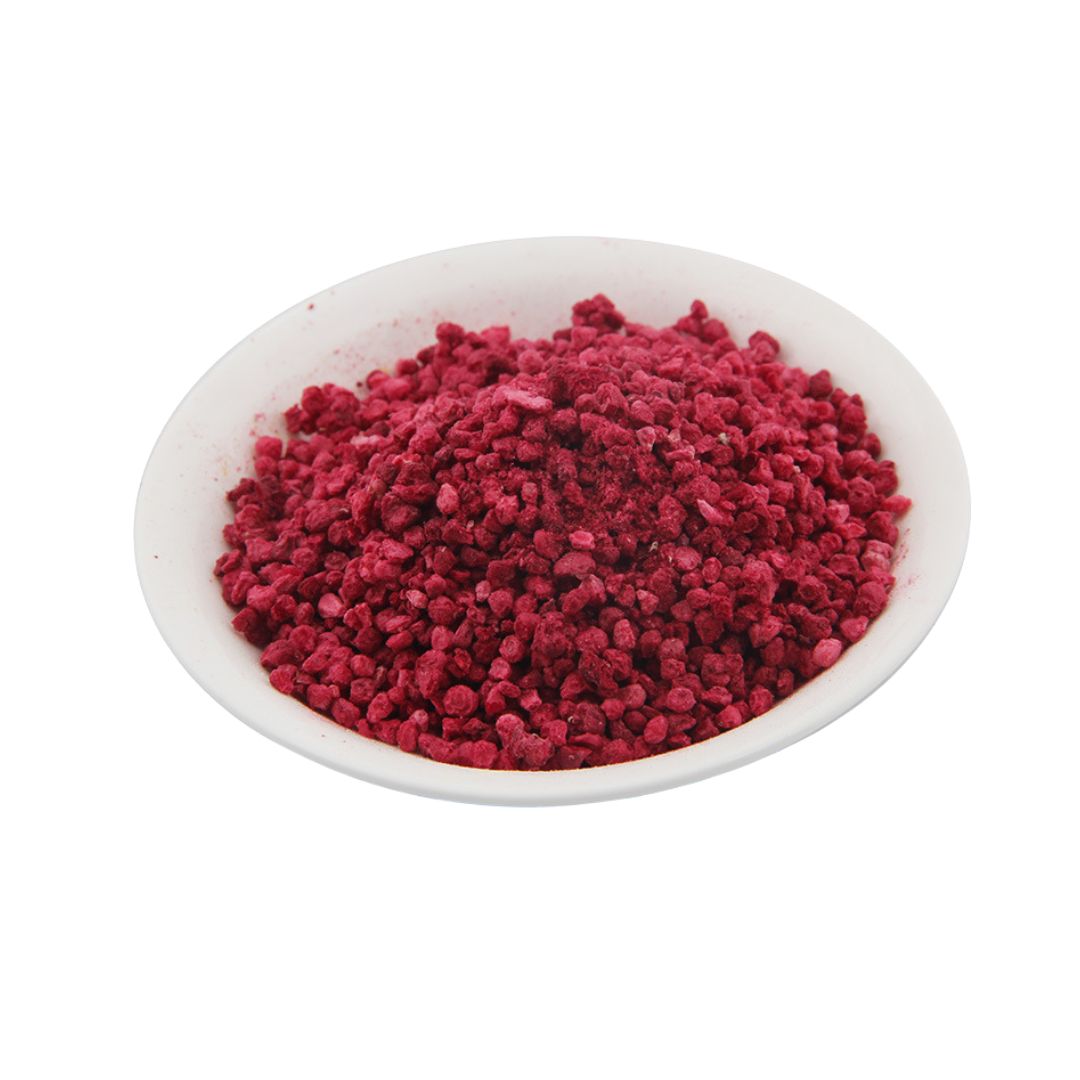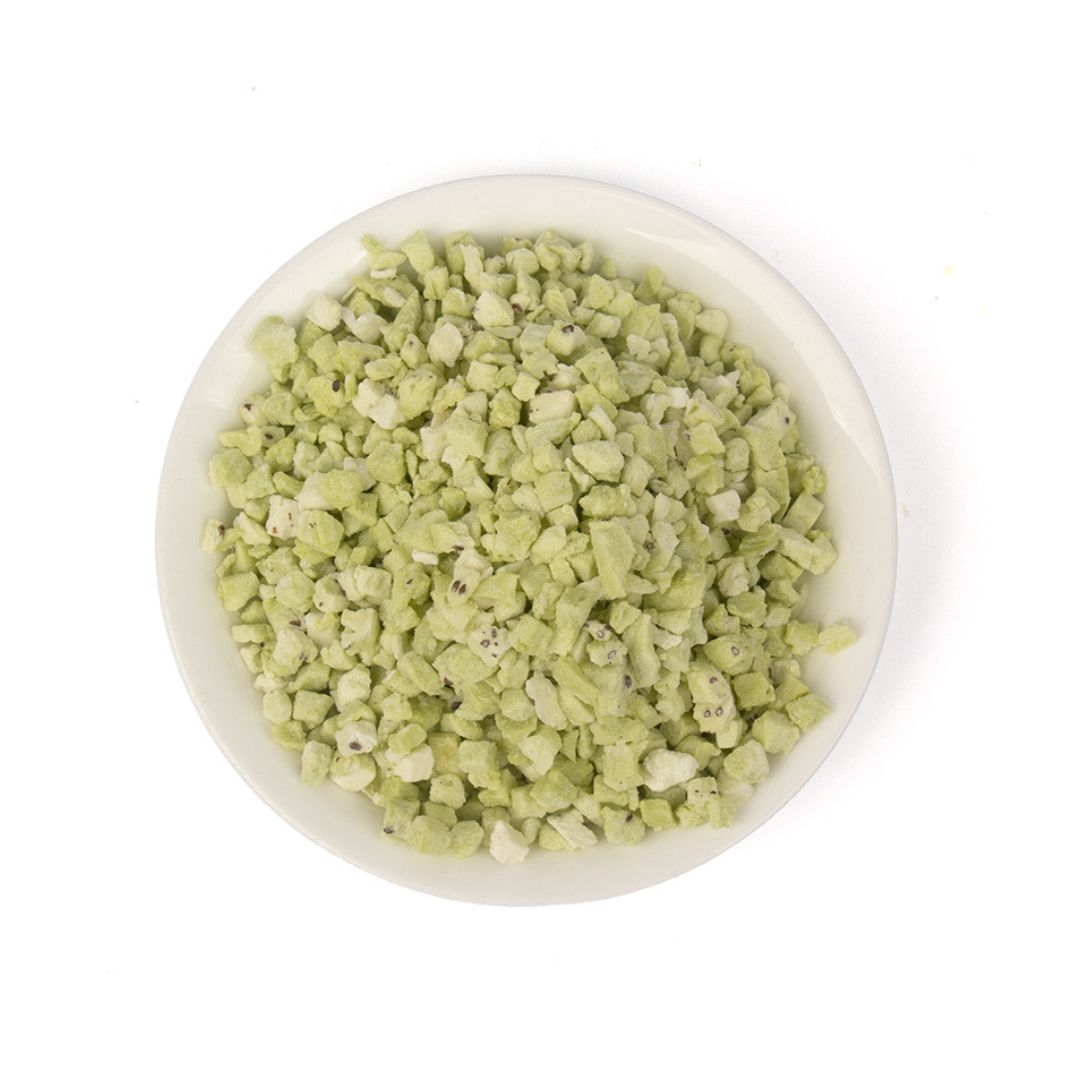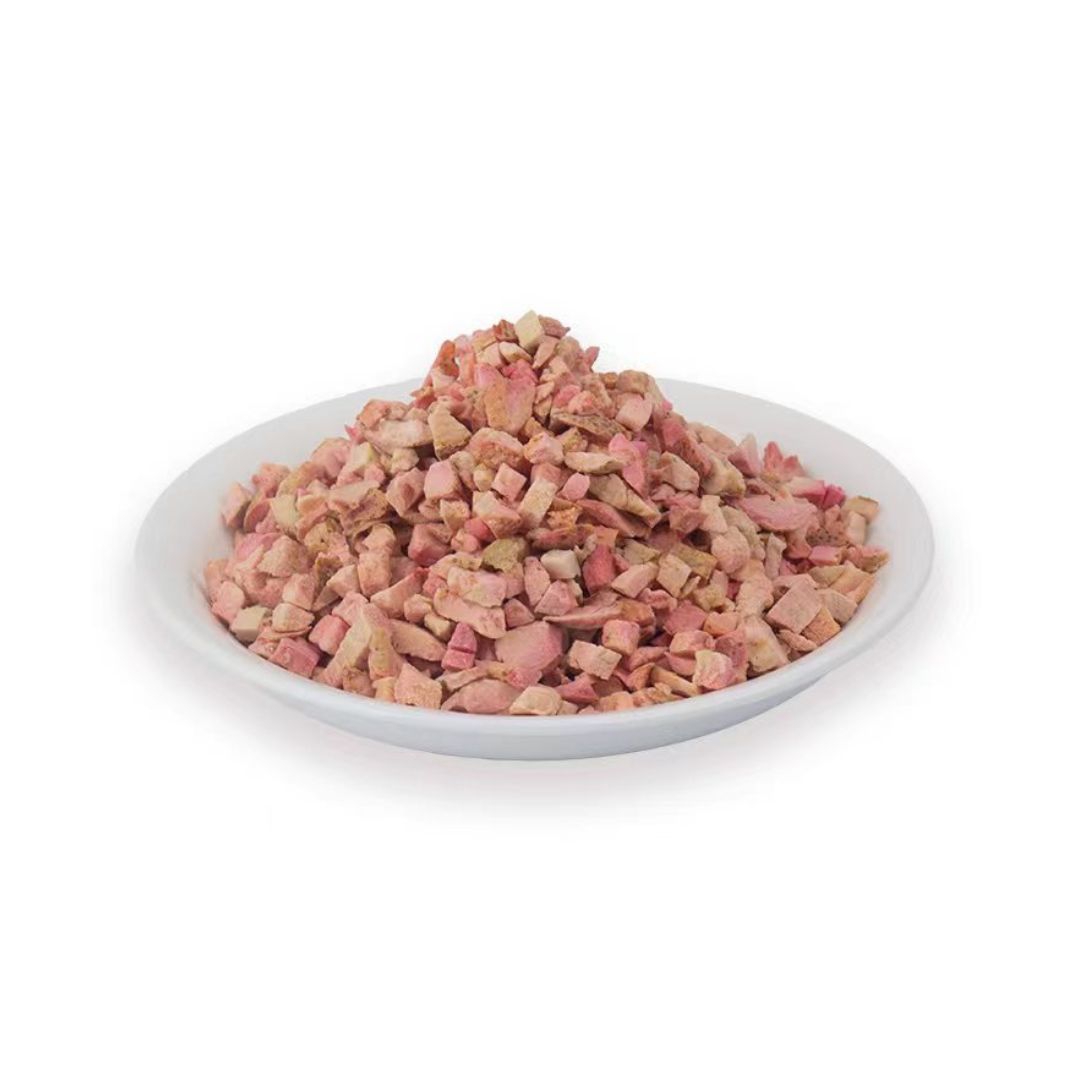


Product Introduction
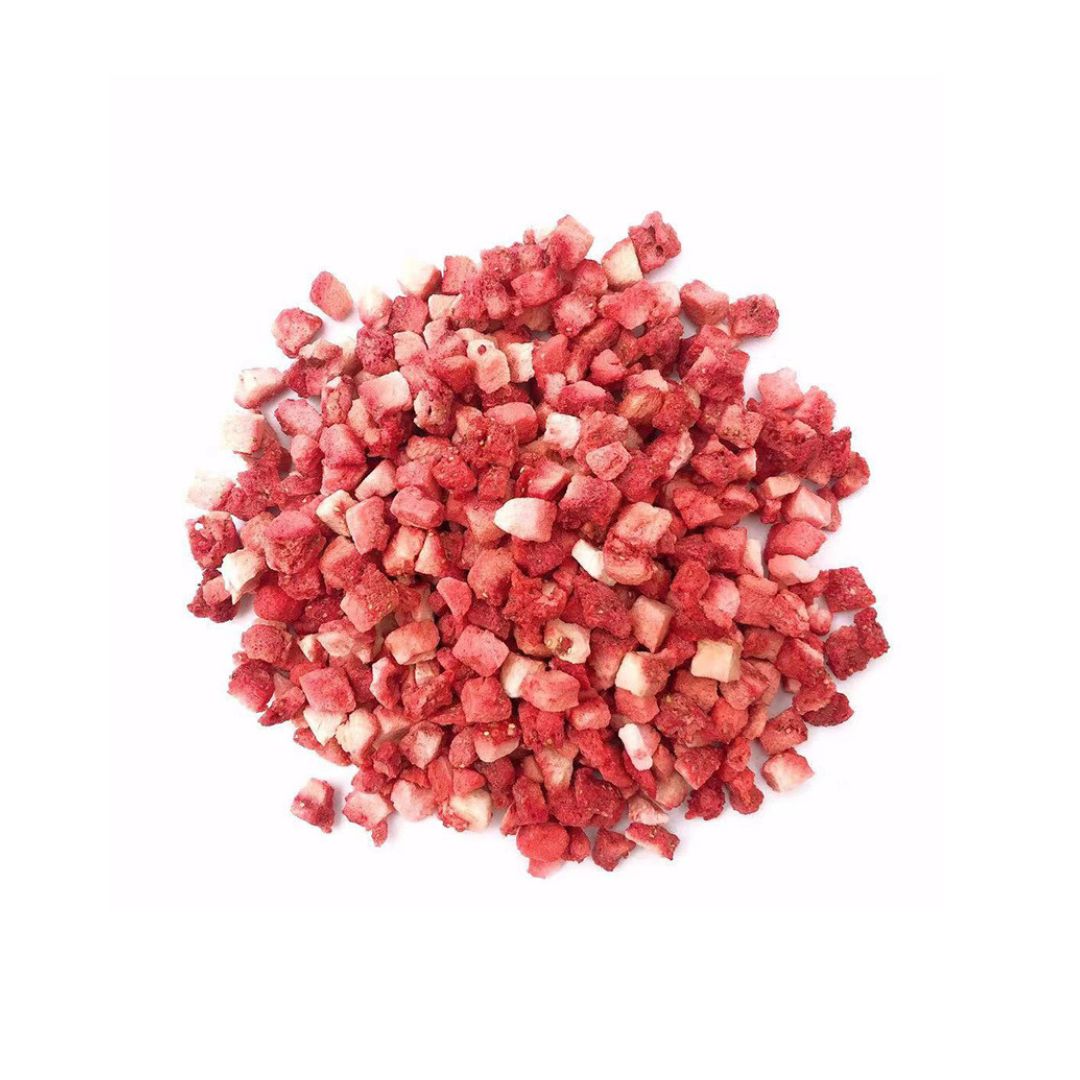
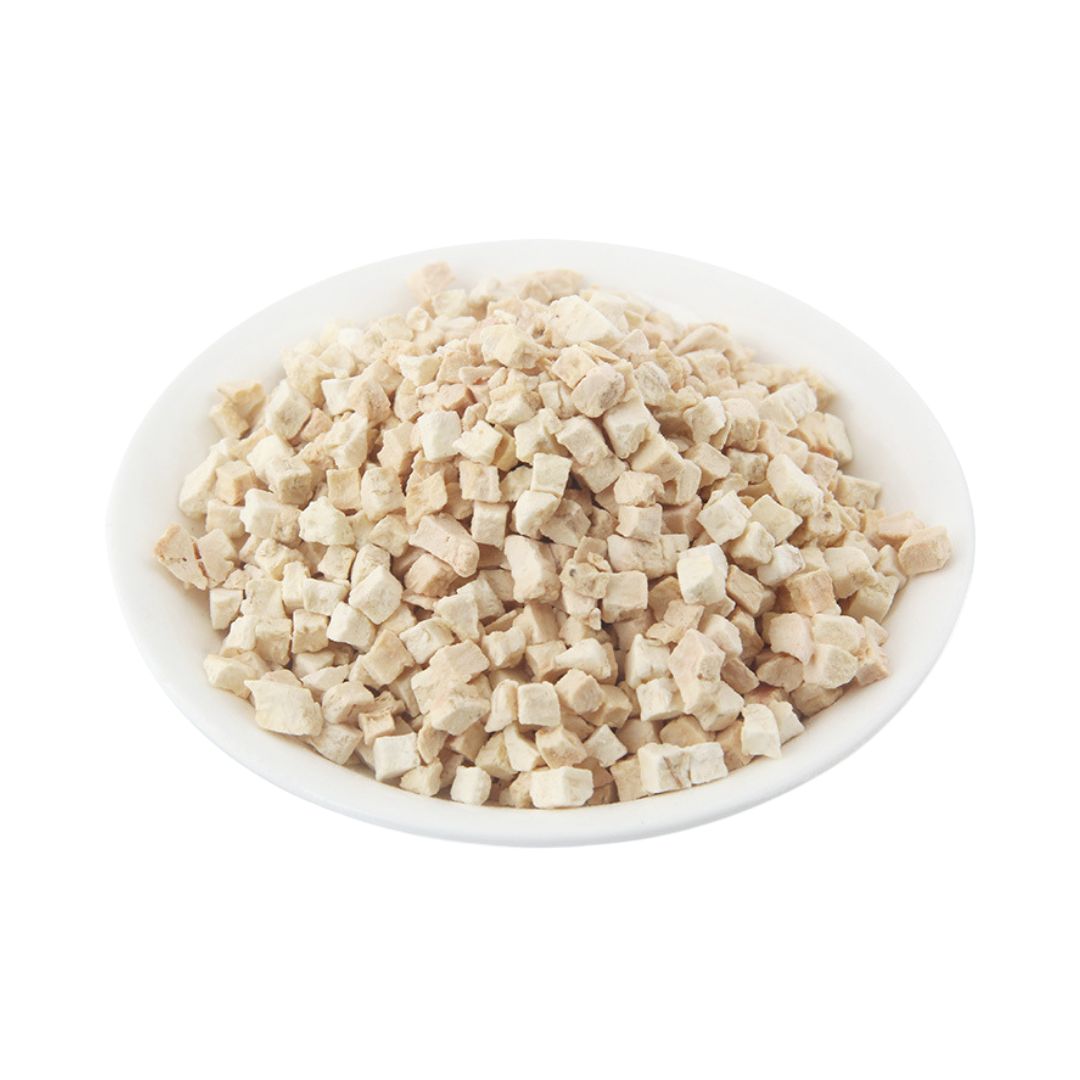
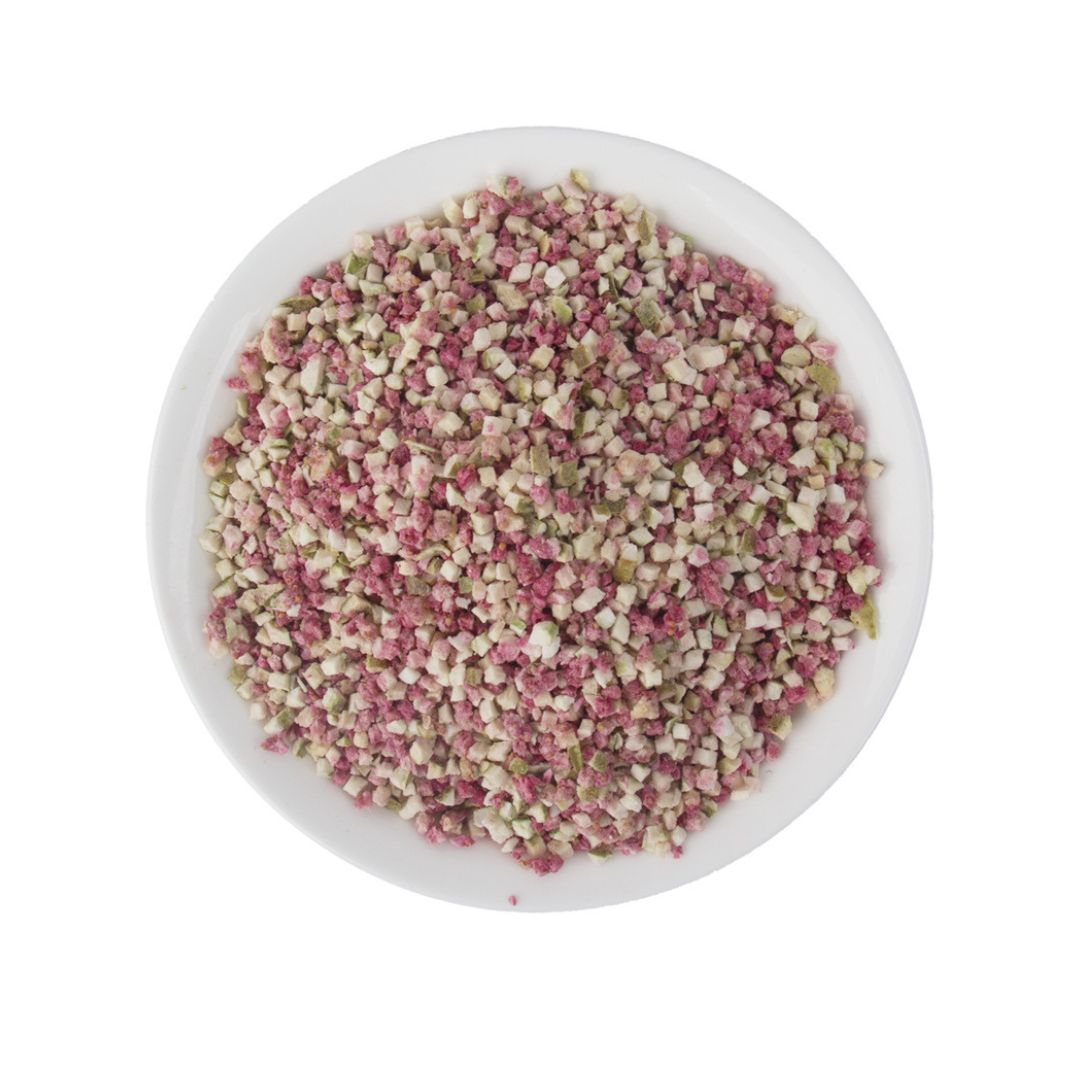
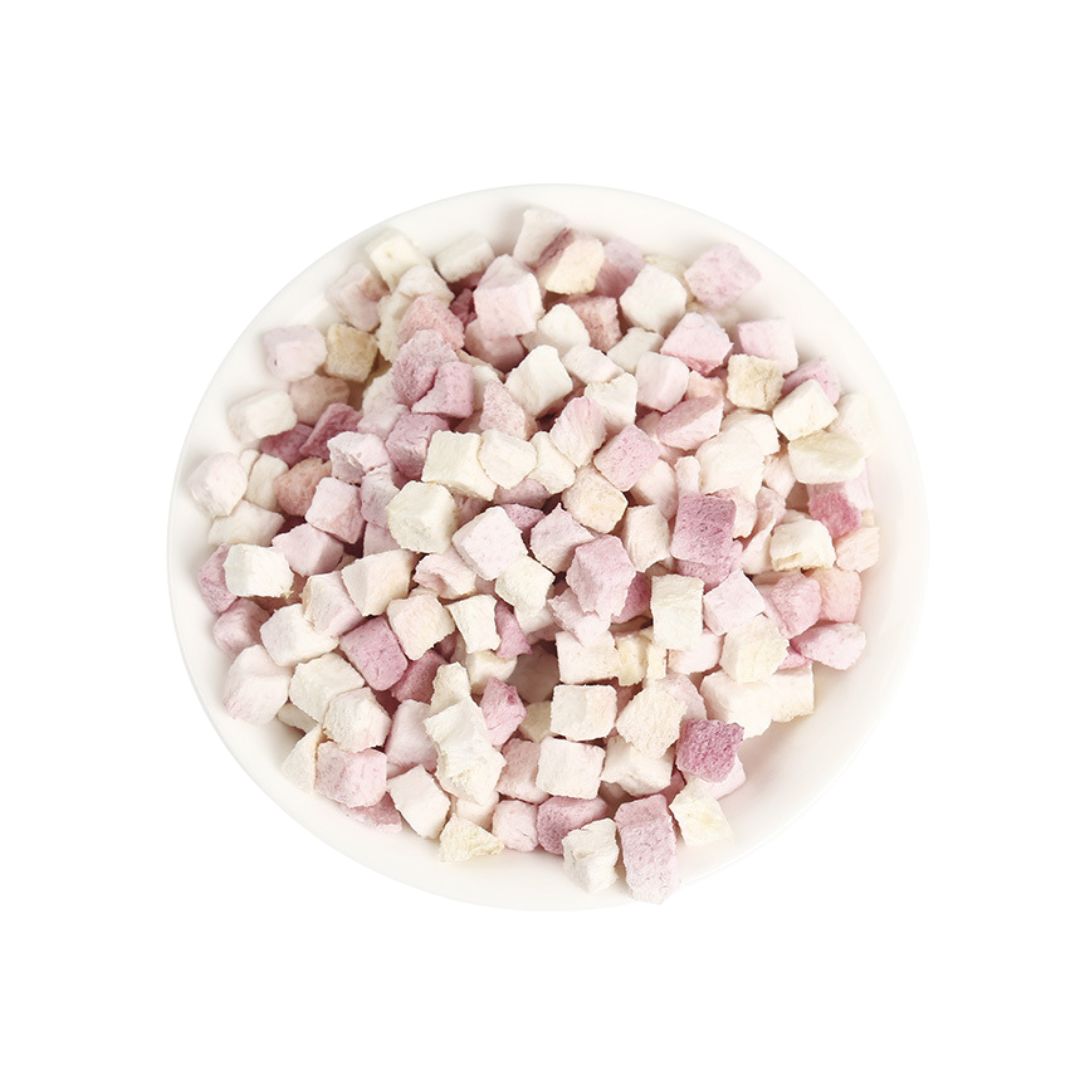
Freeze-dried sugared hawthorn cubes are a modern take on traditional hawthorn candy. These cubes offer a convenient and shelf-stable way to enjoy the unique sweet and tart flavor of hawthorn. The freeze-drying process preserves the fruit's natural nutrients and intensifies its taste, while the sugar coating adds a touch of sweetness. This combination makes them a popular choice for snacking and culinary applications.
Production Process
The production of freeze-dried sugared hawthorn cubes involves several key steps. First, fresh hawthorn fruits are selected and cleaned thoroughly. Next, they are cooked and pureed, then cut into cube shapes. These cubes are then coated in sugar. The cubes are then placed in a freeze-drying chamber, where they are rapidly frozen and subjected to a vacuum. This process removes the water content through sublimation, leaving behind a dry, crisp cube that retains much of the original fruit's flavor and nutrients. Finally, the freeze-dried cubes are packaged to maintain their quality and freshness.
Nutritional Composition Table
| Nutrient | Amount per 100g (approximate) |
|---|---|
| Calories | 350-400 kcal |
| Carbohydrates | 80-90g |
| Dietary Fiber | 5-10g |
| Sugars | 60-70g |
| Vitamin C | 10-20mg |
| Potassium | 200-300mg |
| Antioxidants (Flavonoids) | Varies |
Note: Nutritional values can vary based on specific product formulations and processing methods.
Product Benefits and Functions
Freeze-dried sugared hawthorn cubes offer several potential health benefits. Hawthorn is known for its antioxidant properties, which can help protect the body against oxidative stress [1]. The dietary fiber content supports digestive health and promotes regular bowel movements [2]. Some studies suggest that hawthorn may have cardiovascular benefits, such as helping to regulate blood pressure and improve blood circulation [3]. The Vitamin C content contributes to immune system support [4]. These cubes can be a healthier alternative to traditional candies due to the presence of these beneficial compounds.
Product Application Scenarios
Freeze-dried sugared hawthorn cubes are versatile and can be used in various ways. They can be enjoyed as a standalone snack, providing a quick and tasty energy boost. They can be added to trail mixes for a touch of sweetness and tartness. These cubes can also be used as a topping for desserts, such as ice cream or yogurt. Additionally, they make a unique addition to herbal teas, infusing the beverage with a subtle hawthorn flavor. In some cultures, they are used in traditional medicine for their purported health benefits [5].
Botanical Source
The hawthorn fruit used to make these cubes comes from the hawthorn tree, belonging to the Crataegus genus. Crataegus species are native to temperate regions of the world, including Europe, Asia, and North America. The trees are characterized by their thorny branches, lobed leaves, and clusters of white or pink flowers. The fruits are small, red berries that ripen in the fall. Different Crataegus species may be used depending on availability and regional preferences [6].
Packaging and Storage
Freeze-dried sugared hawthorn cubes are typically packaged in airtight, resealable bags or containers. This helps to protect the product from moisture and air, which can degrade its quality and texture. It is important to store the product in a cool, dry place away from direct sunlight and heat. Proper storage can extend the shelf life of the cubes, maintaining their flavor and nutritional value for up to 12-18 months.
Citations:
[1] Gülçin, İ. (2020). Antioxidant properties of লিগামেন্ট plants. Mini-Reviews in Medicinal Chemistry, 20(9), 1041-1054.
[2] Anderson, J. W., et al. "Health implications of dietary fiber." Nutrition Reviews 56.1 (1998): 1-18.
[3] Tadic, V., et al. "Cardioprotective profile of Crataegus species." Phytotherapy Research 22.7 (2008): 799-808.
[4] National Institutes of Health. (2021). Vitamin C Fact Sheet for Consumers. NIH Office of Dietary Supplements.
[5] Mills, S., & Bone, K. (2005). The Essential Guide to Herbal Safety. Churchill Livingstone.
[6] Christensen, K. I. (1992). Revision of Crataegus sect. Crataegus and nothosect. Crataeguineae (Rosaceae-Maloideae) in Europe. Systematic Botany Monographs, 35, 1-199.

As a sales manager, I’m here to make sure you get exactly what you need for your dietary supplements. From sourcing to delivery, I’m always by your side, ensuring smooth and friendly service. Let’s make your products even better! 🥰🌿