

Product Introduction
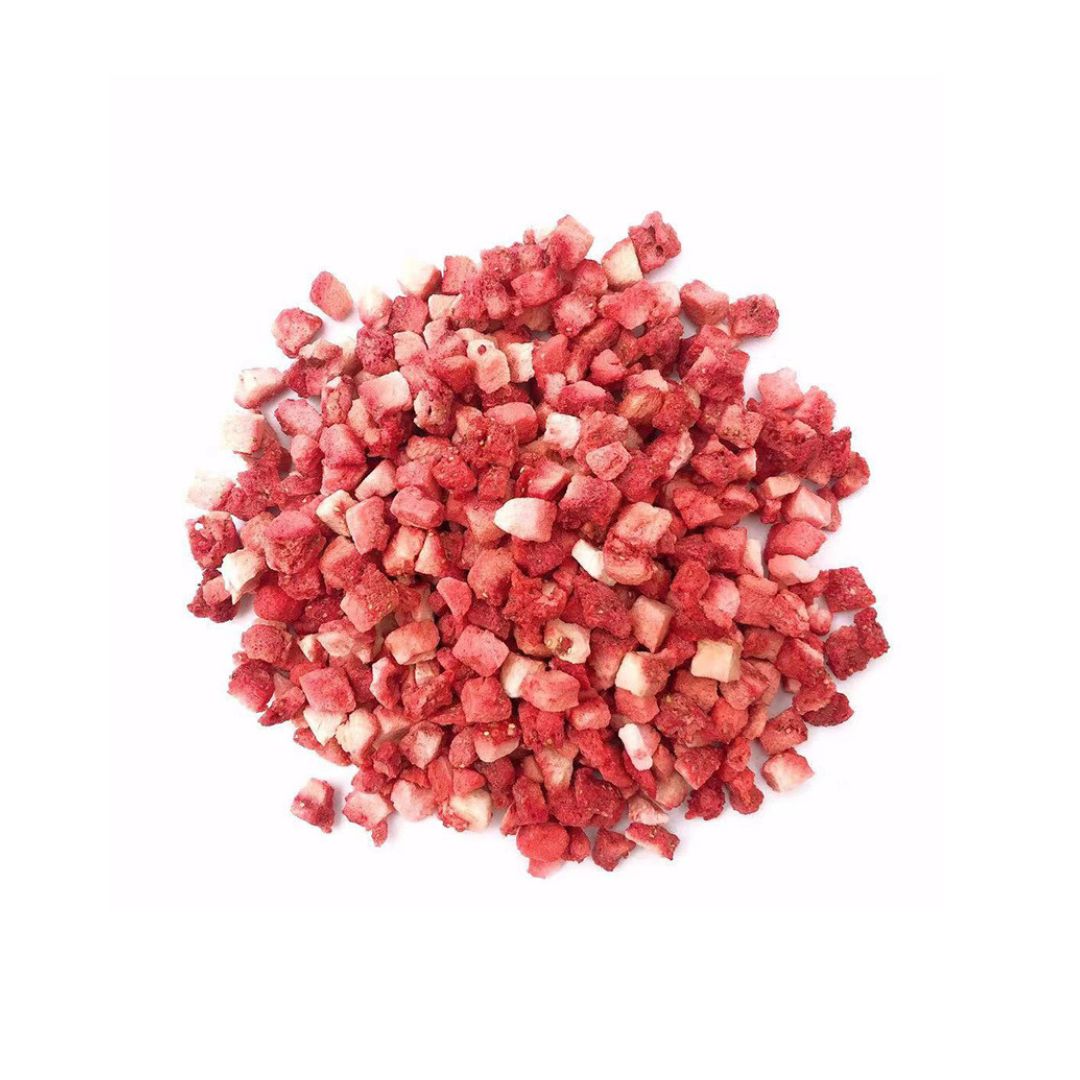
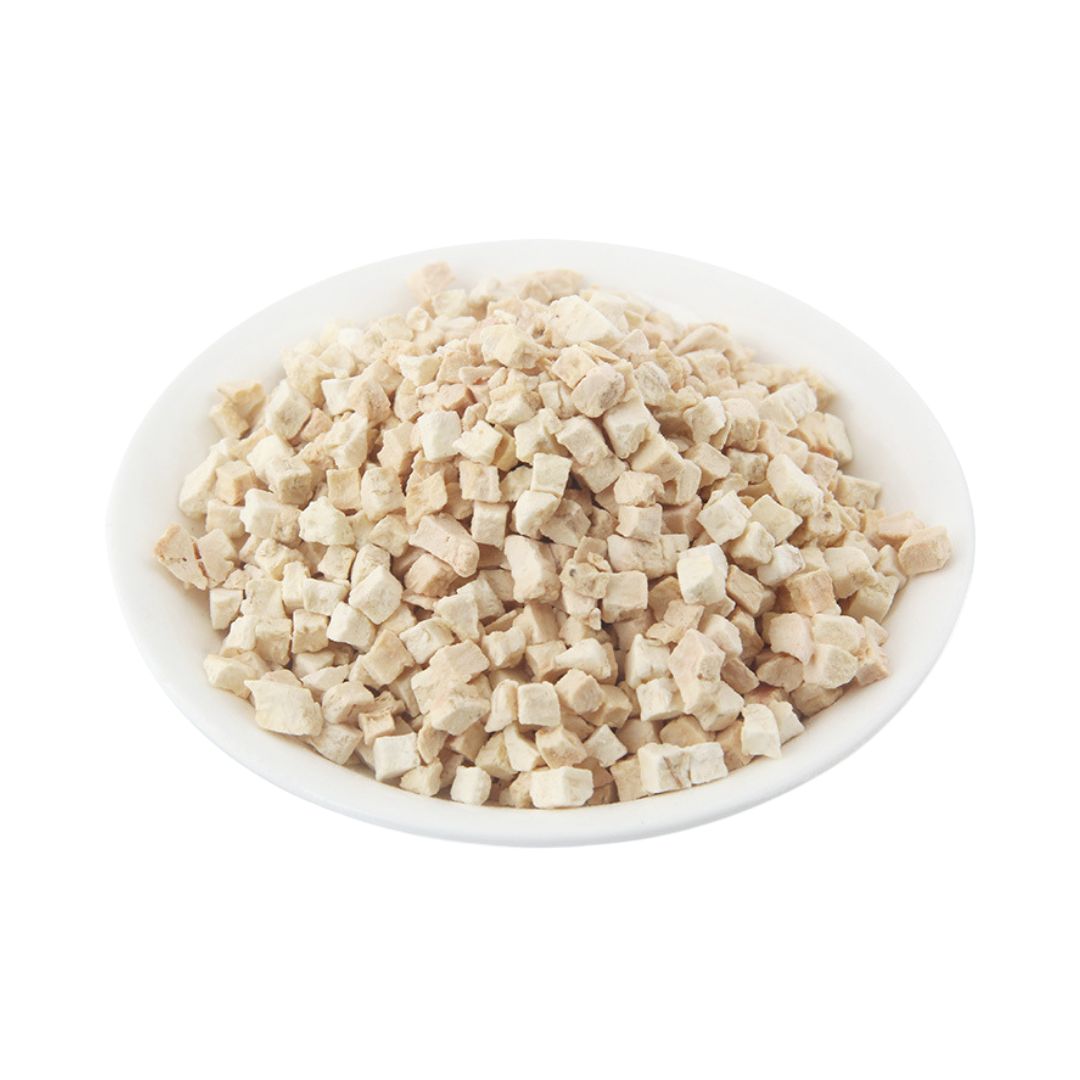
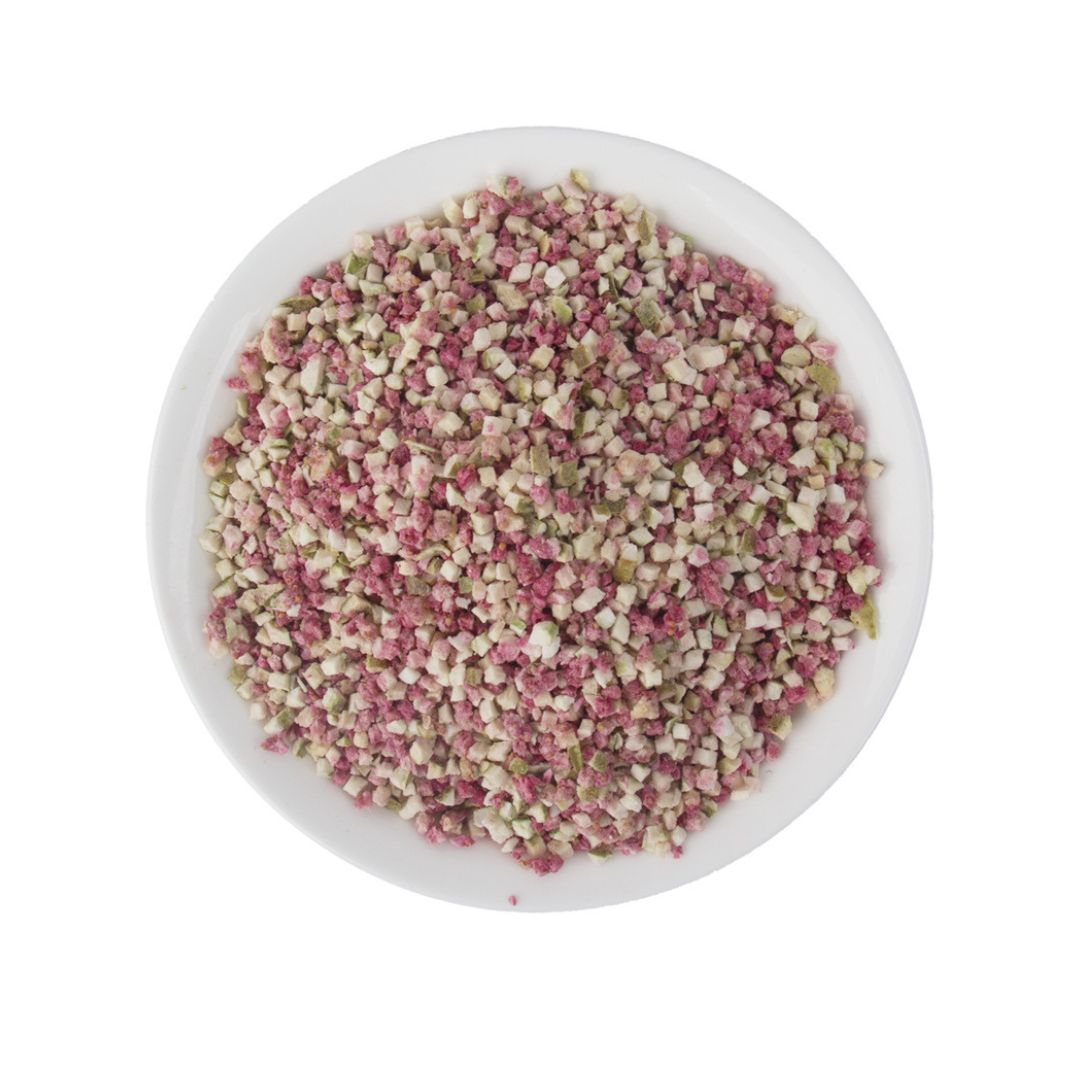
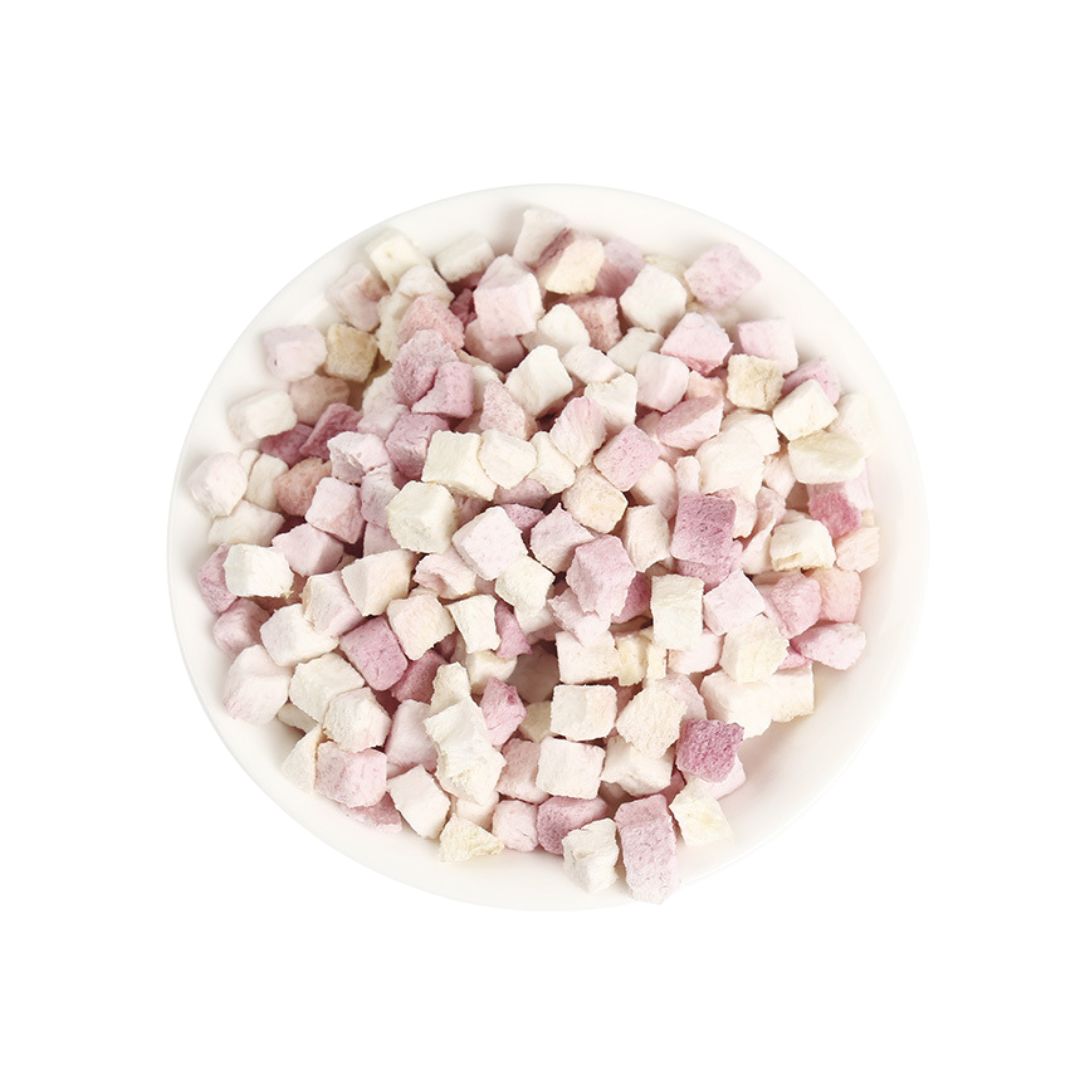
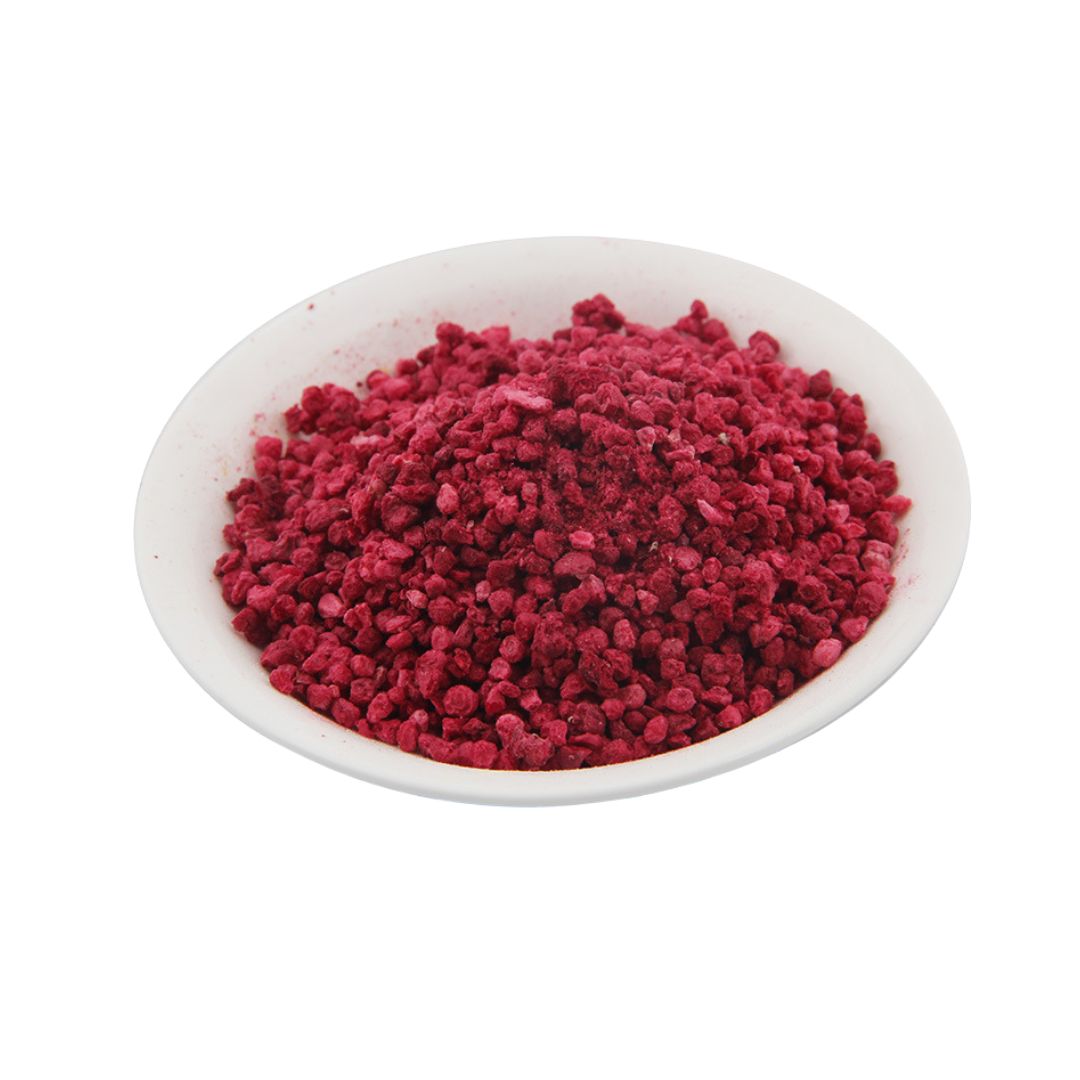
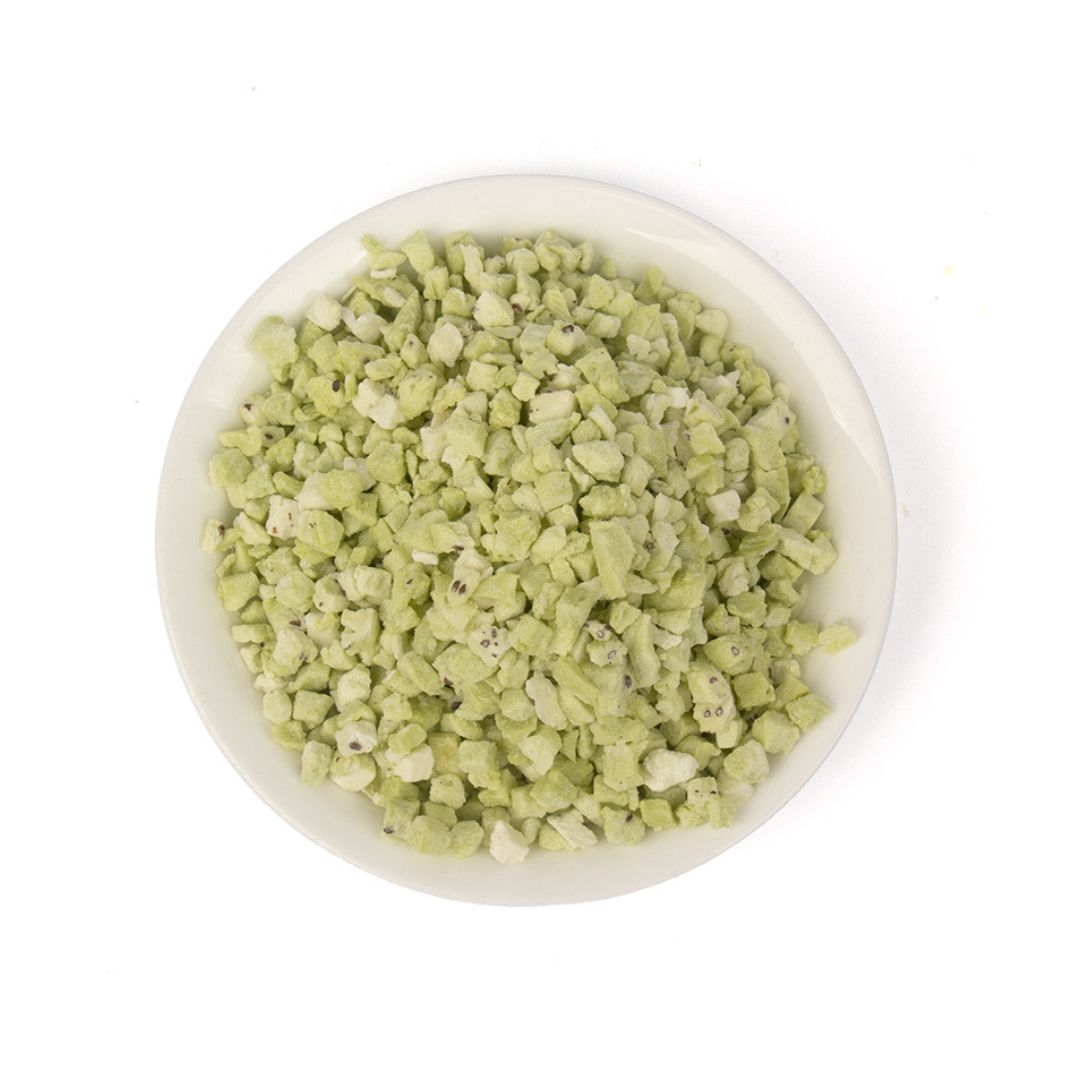
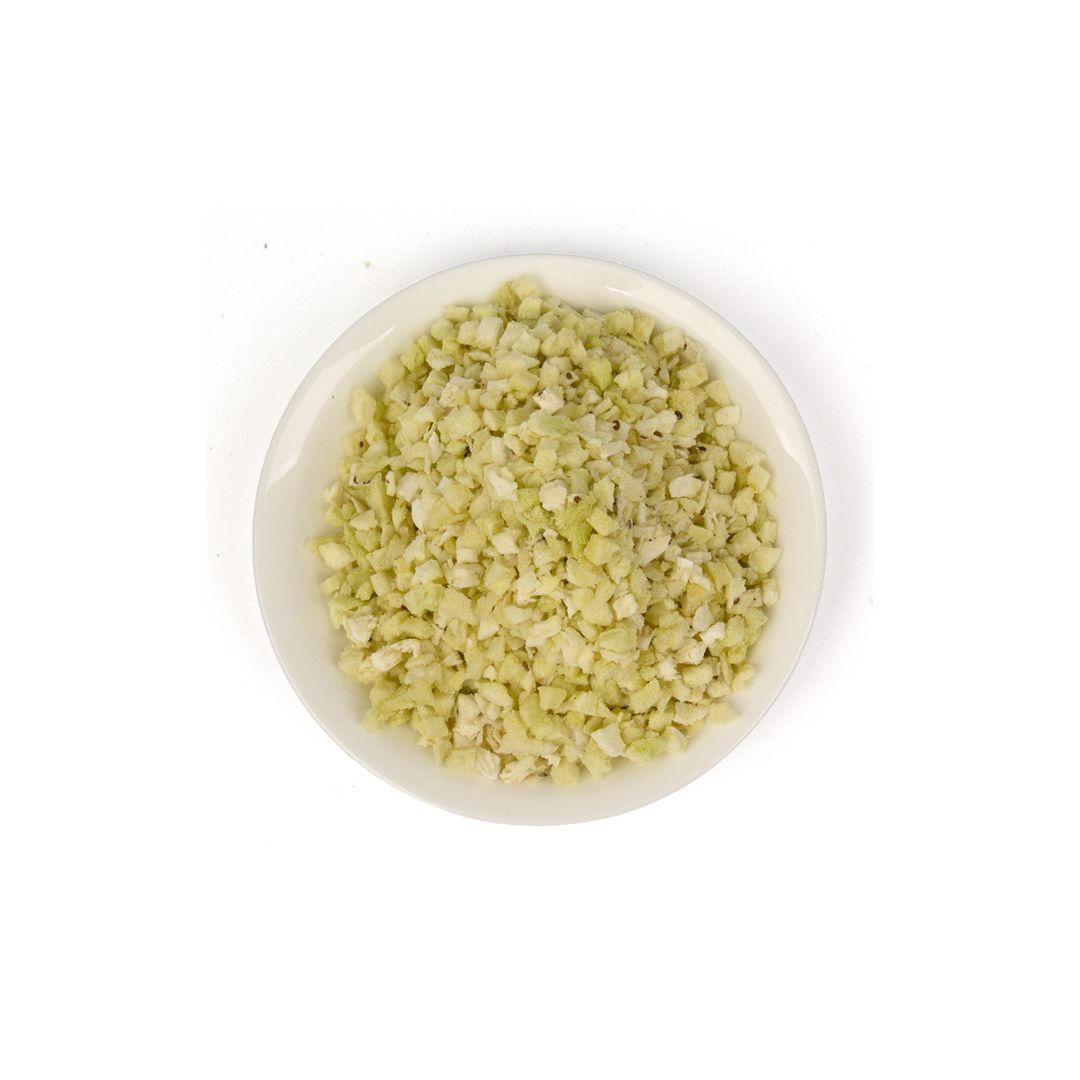
Freeze-dried sugared kiwi cubes are a delightful and convenient snack that combines the natural tartness of kiwi with a touch of sweetness, creating a unique and satisfying treat. The freeze-drying process preserves the fruit's essential nutrients and intensifies its flavor, while the sugar coating adds a pleasant candy-like texture, making it an appealing option for both children and adults. This innovative product offers a long shelf life, making it a practical choice for those seeking a healthy and delicious snack option.
Production Process
The production of freeze-dried sugared kiwi cubes involves several key steps. Fresh kiwis are first selected for ripeness and quality. They are then peeled, sliced into uniform cubes, and lightly coated with sugar. Next, the sugared kiwi cubes are placed in a freeze-drying chamber, where they are frozen at extremely low temperatures. The chamber's pressure is then reduced, causing the frozen water in the kiwi to sublimate, transforming directly from a solid to a gas. This process preserves the fruit's structure, color, and nutritional content. Finally, the freeze-dried sugared kiwi cubes are packaged to maintain their crispness and prevent moisture absorption.
Nutritional Composition Table
| Nutrient | Amount per 100g |
|---|---|
| Calories | 350 kcal |
| Carbohydrates | 85g |
| Sugar | 70g |
| Dietary Fiber | 5g |
| Protein | 2g |
| Fat | 1g |
| Vitamin C | 150mg |
| Vitamin K | 40mcg |
| Potassium | 300mg |
Note: Nutritional values are approximate and can vary based on the specific product and kiwi variety.
Product Benefits and Functions
Freeze-dried sugared kiwi cubes offer several health benefits. The high vitamin C content supports the immune system, aiding in the body's defense against infections and illnesses [1]. Dietary fiber promotes digestive health and helps maintain regular bowel movements [2]. Additionally, kiwis are rich in antioxidants, which combat free radicals and reduce oxidative stress, potentially lowering the risk of chronic diseases [3]. The sugar coating provides a quick source of energy, making it a great snack for a boost during the day, while the freeze-drying process ensures that these nutrients are well-preserved.
Product Application Scenarios
These freeze-dried sugared kiwi cubes are versatile and can be used in various scenarios. They are an excellent standalone snack, offering a healthier alternative to traditional candies. They can be added to trail mixes for a burst of flavor and nutrition, or used as a topping for desserts like yogurt, ice cream, and cakes. Furthermore, they can be incorporated into homemade granola bars or used as a decorative element in confectionery creations, providing both visual appeal and taste.
Botanical Source
The kiwi fruit, botanically known as Actinidia deliciosa, is native to China, specifically the Yangtze River Valley [4]. It was later introduced to New Zealand in the early 20th century, where it gained popularity and was commercialized. The fruit is a vine-grown berry with a fuzzy brown skin and vibrant green flesh, known for its unique sweet-tart flavor. Today, kiwis are cultivated in many countries around the world, including Italy, New Zealand, and the United States.
Packaging and Storage
To maintain the quality and freshness of freeze-dried sugared kiwi cubes, proper packaging and storage are crucial. The product is typically packaged in airtight, resealable bags or containers to prevent moisture absorption and maintain its crisp texture. It should be stored in a cool, dry place, away from direct sunlight and high humidity. Optimal storage conditions will help extend the shelf life of the product and preserve its flavor and nutritional properties.
Citations:
[1] Pullar, J. M., Carr, A. C., & Vissers, M. C. M. (2018). The Roles of Vitamin C in Immunity. Nutrients, 10(11), 1694.
[2] Anderson, J. W., et al. "Health implications of dietary fiber." Nutrition Reviews 56.1 (1998): 1-18.
[3] Crowe, F. L., et al. "Fruit and vegetable intake and mortality from ischaemic heart disease: results from the European Prospective Investigation into Cancer and Nutrition (EPIC)-Heart study." European Heart Journal 32.10 (2011): 1235-1243.
[4] Ferguson, A. R. (1999). Botanical nomenclature of kiwifruit species. Horticultural Reviews, 24, 1-55.

As a sales manager, I’m here to make sure you get exactly what you need for your dietary supplements. From sourcing to delivery, I’m always by your side, ensuring smooth and friendly service. Let’s make your products even better! 🥰🌿