

Product Introduction
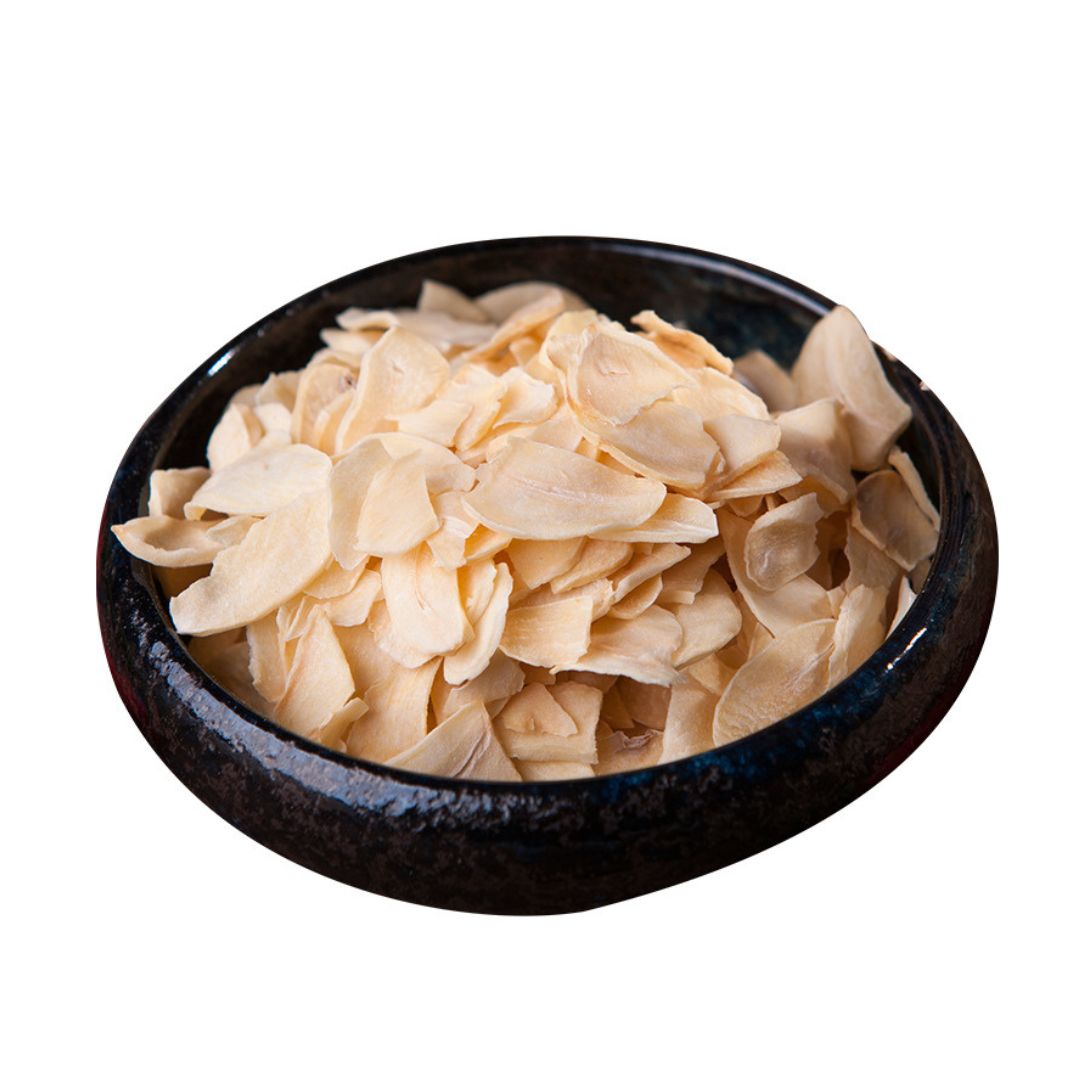
Dehydrated garlic slices, derived from fresh Allium sativum, are a concentrated form of garlic that offers convenience and extended shelf life. This product retains the pungent flavor and aroma of fresh garlic, making it a versatile ingredient for numerous culinary applications. The dehydration process reduces moisture content, inhibiting microbial growth and enzymatic activity, thus preserving the garlic's quality.
Production Process
The production of dehydrated garlic slices involves several key steps. Initially, fresh garlic bulbs are harvested, cleaned, and inspected for quality. The bulbs are then peeled and sliced into thin, uniform pieces. These slices are spread evenly on trays and placed in a dehydrator, where controlled hot air is circulated to remove moisture. The drying process continues until the garlic slices reach a specified moisture content, typically below 6%. Regular monitoring of temperature and humidity is crucial to prevent overheating and ensure uniform drying. After dehydration, the slices are cooled, sorted, and packaged for distribution. Throughout the process, adherence to good manufacturing practices (GMP) is maintained to ensure product safety and quality [1].
Product Applications
Dehydrated garlic slices are widely used in the food industry and home cooking because of their ease of use and long shelf life. They can be rehydrated and added to sauces, soups, and stews, providing a consistent garlic flavor. These slices are also used in dry seasonings, spice blends, and rubs for meats and vegetables. In addition, dehydrated garlic serves as an ingredient in processed foods, like ready-to-eat meals, snacks, and baked goods. The consistent flavor profile and ease of incorporation make it a preferred option for food manufacturers seeking to enhance the taste of their products [2].
Packaging and Storage
Proper packaging and storage are essential to maintaining the quality of dehydrated garlic slices. The product should be packaged in airtight containers to prevent moisture absorption, which can lead to clumping and loss of flavor. Suitable packaging materials include sealed plastic bags, glass jars, and metal containers. Storage should be in a cool, dry place, away from direct sunlight and heat sources. Optimal storage conditions help extend the shelf life and preserve the flavor and aroma of the garlic slices [3].
Citations:
[1] Raghavan, G. S. V. (2017). Handbook of Food Process Design, 2 Volume Set. John Wiley & Sons.
[2] Sharma, H. K., & Verma, A. K. (2018). Handbook of herbs and spices (2nd ed.). Woodhead Publishing.
[3] Fellows, P. J. (2009). Food processing technology: Principles and practice (3rd ed.). Woodhead Publishing.

As a sales manager, I’m here to make sure you get exactly what you need for your dietary supplements. From sourcing to delivery, I’m always by your side, ensuring smooth and friendly service. Let’s make your products even better! 🥰🌿