

Product Introduction
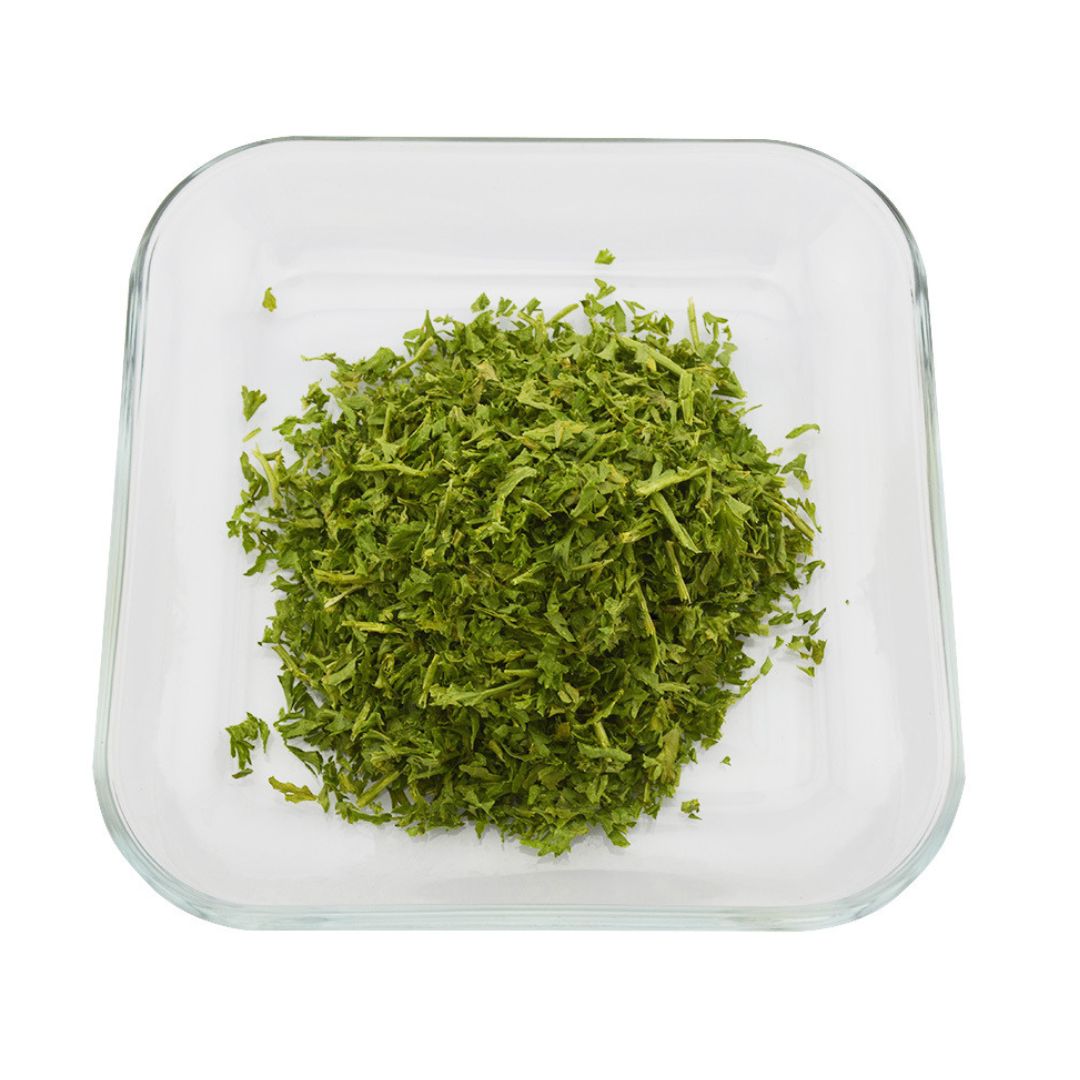
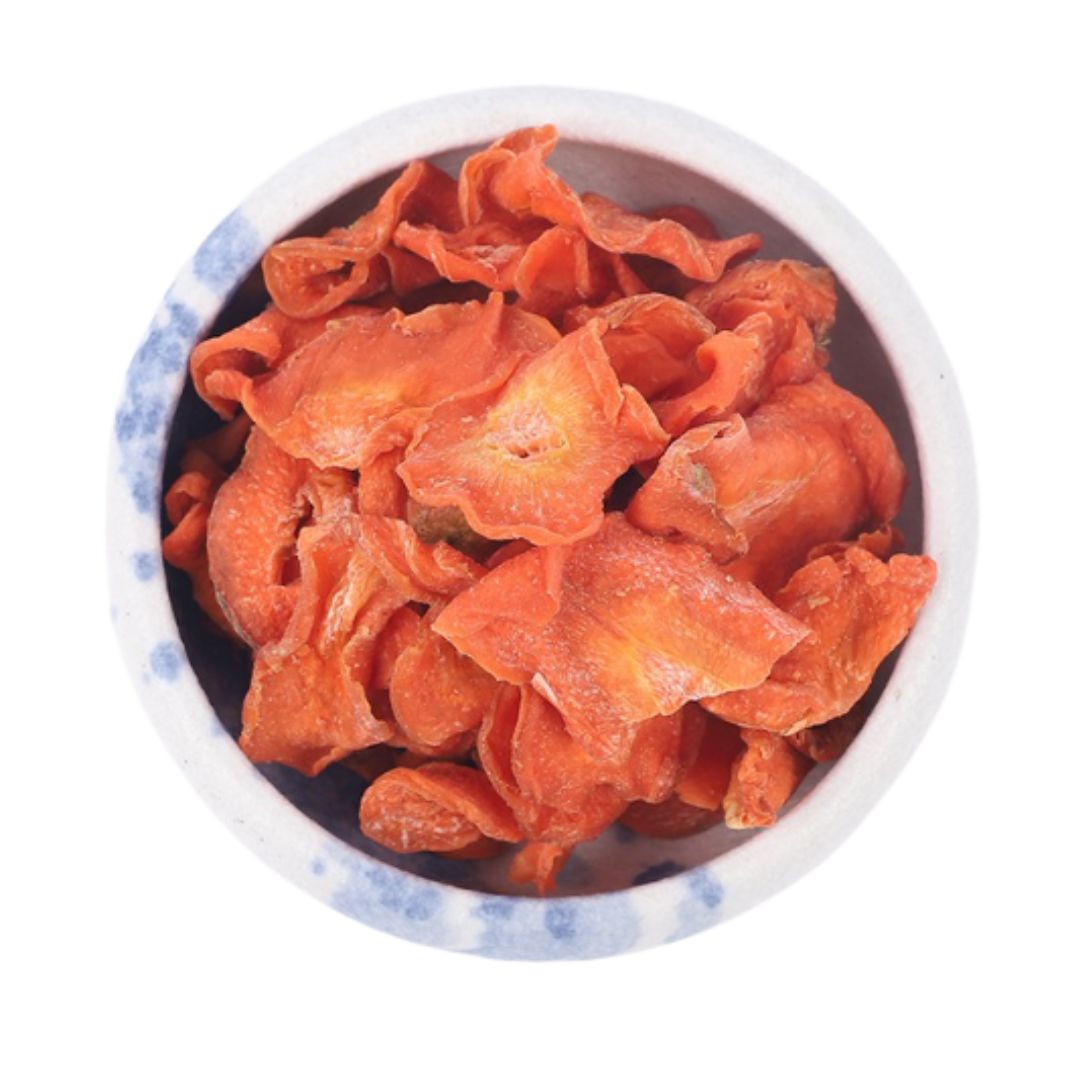
Dehydrated sliced carrots are a versatile and convenient product made from fresh carrots that have had their moisture removed, thus preserving their nutritional value and extending their shelf life. The dehydration process concentrates the natural sugars found in carrots, resulting in a sweeter and more intense flavor profile than their fresh counterparts. Carrots, known scientifically as Daucus carota subsp. sativus, are root vegetables that are widely cultivated for their edible taproots, which are rich in vitamins, minerals, and antioxidants, particularly beta-carotene, a precursor to Vitamin A [1]. The final product offers a practical solution for culinary applications, such as food manufacturers or home cooks, who seek to incorporate carrots into their recipes without the constraints of seasonality or spoilage [2].
Production Process
The production, of dehydrated sliced carrots involves several key steps, beginning with the selection, then washing, and preparation of fresh carrots. High-quality carrots are chosen, washed to remove any dirt, and then sliced into uniform pieces to ensure even drying. The slices are then blanched, which involves briefly immersing them in hot water or steam, to inactivate enzymes that could cause discoloration and flavor changes during storage [3]. The core of the process is the dehydration stage, where the sliced carrots are dried such, as through hot air drying, freeze-drying, or vacuum drying, to reduce their moisture content to a level that inhibits microbial growth. Hot air drying is a cost-effective method where hot air is blown over the carrots, while freeze-drying involves freezing the carrots and then sublimating the ice under vacuum, which preserves the cellular structure and nutritional content more effectively [4]. Afterward, the dried slices are sorted, inspected, and packaged to maintain their quality and prevent moisture reabsorption.
Product Applications
Dehydrated sliced carrots find application across a wide range of food products and culinary settings, and are commonly used in dry soup mixes, instant noodle cups, and ready-to-eat meals, where they rehydrate upon the addition of water [5]. Their concentrated flavor makes them, a valuable ingredient in vegetable blends and seasoning mixes. Moreover, the food manufacturing industry utilizes dehydrated carrot slices as a natural source of color and nutrients in various processed foods. For home cooks and campers, they offer a convenient way to add vegetables to meals without the need for refrigeration. Further, dehydrated carrot slices can be ground into a powder and used as a natural food coloring or as an ingredient in baked goods to enhance their nutritional profile [6].
Packaging and Storage
Proper packaging and storage are critical to maintaining the quality and extending the shelf life of dehydrated sliced carrots. The product should be packaged in airtight, moisture-proof containers to prevent rehydration and maintain crispness; suitable packaging materials include sealed plastic bags, glass jars, and metal cans [7]. To further mitigate moisture absorption, desiccants can be included in the packaging. Storage should occur in a cool, dry environment, where the temperature remains consistently below 70°F (21°C), and away from direct sunlight and heat sources, as exposure to heat and light can degrade the product's color, flavor, and nutritional content [8]. Under optimal conditions, dehydrated sliced carrots can maintain their quality for 12 to 18 months.
Citations:
[1] Sharma, K. D., Karki, S., Thakur, N. S., & Attri, S. (2012). Chemical composition, functional properties and processing of carrot—a review. Journal of Food Science and Technology, 49(1), 22-32.
[2] Ratti, C. (2001). Hot air and freeze-drying of high-value foods: a review. Journal of Food Engineering, 49(4), 311-319.
[3] Lund, B. M. (1975). The effect of blanching on the microbial flora of vegetables. Journal of Food Technology, 10(3), 277-291.
[4] Ciurzyńska, A., Lenart, A., & Fijołek, G. (2014). Freeze-drying—application in food processing. Polish Journal of Food and Nutrition Sciences, 64(3), 165-171.
[5] Jayaraman, K. S., & Das Gupta, D. K. (1992). Dehydration of fruits and vegetables—recent developments. Drying Technology, 10(1), 1-50.
[6] Sachdeva, A., & Sharma, R. R. (2012). Value addition in fruits and vegetables by drying: A review. Journal of Food Science and Technology, 50(3), 401-417.
[7] Robertson, G. L. (2013). Food Packaging: Principles and Practice. CRC press.
[8] Fellows, P. J. (2009). Food processing technology: principles and practice. Woodhead Publishing.

As a sales manager, I’m here to make sure you get exactly what you need for your dietary supplements. From sourcing to delivery, I’m always by your side, ensuring smooth and friendly service. Let’s make your products even better! 🥰🌿