

Product Introduction
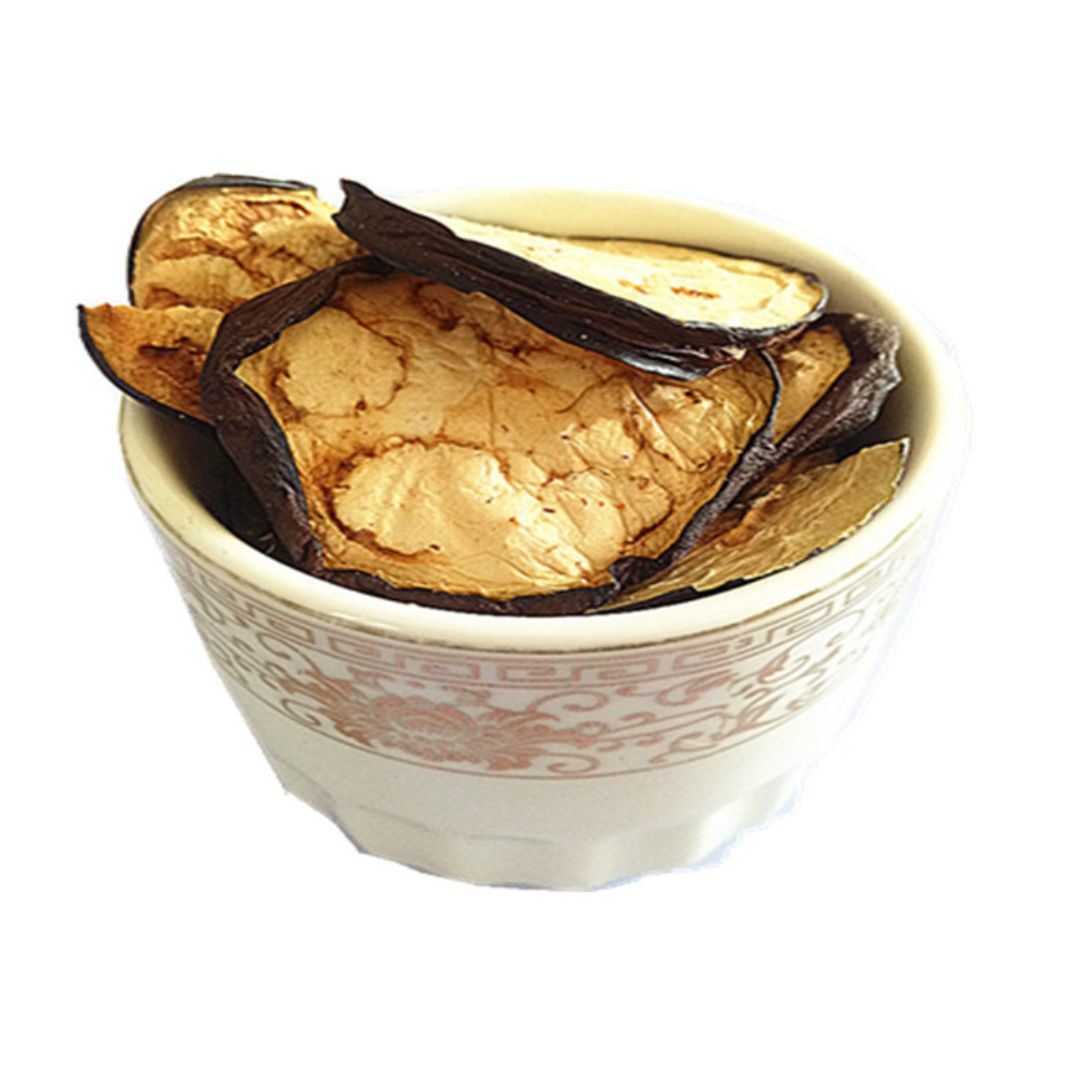
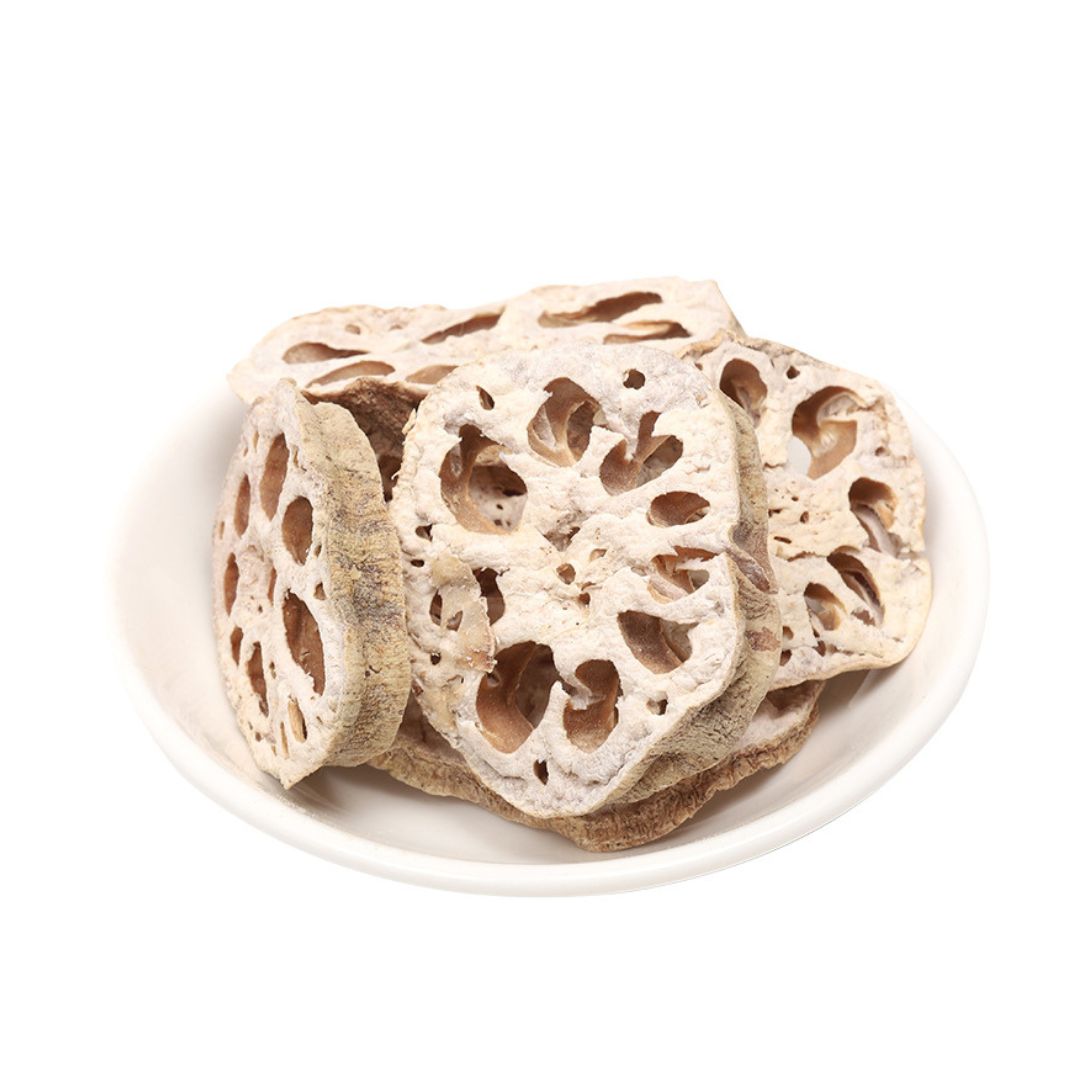
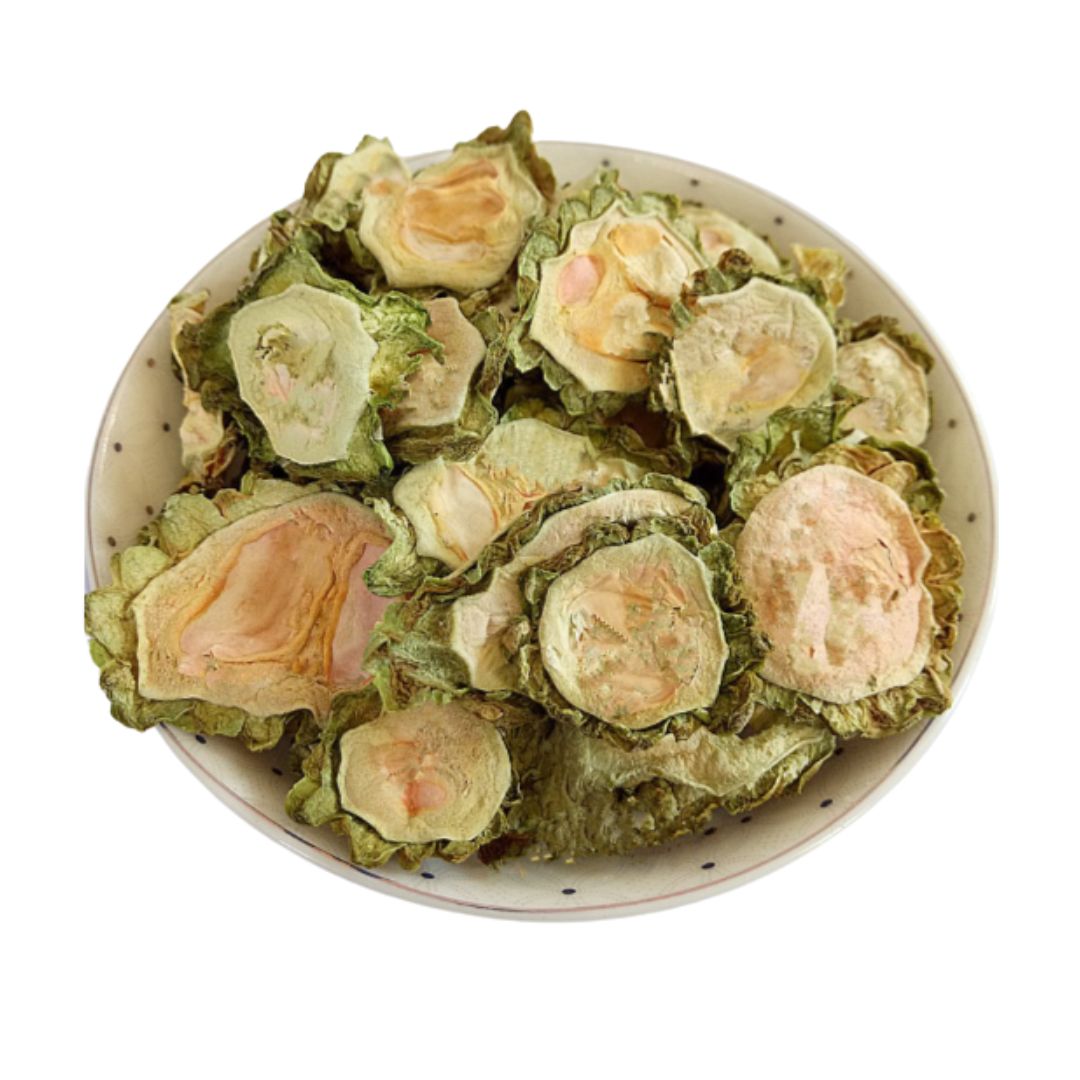
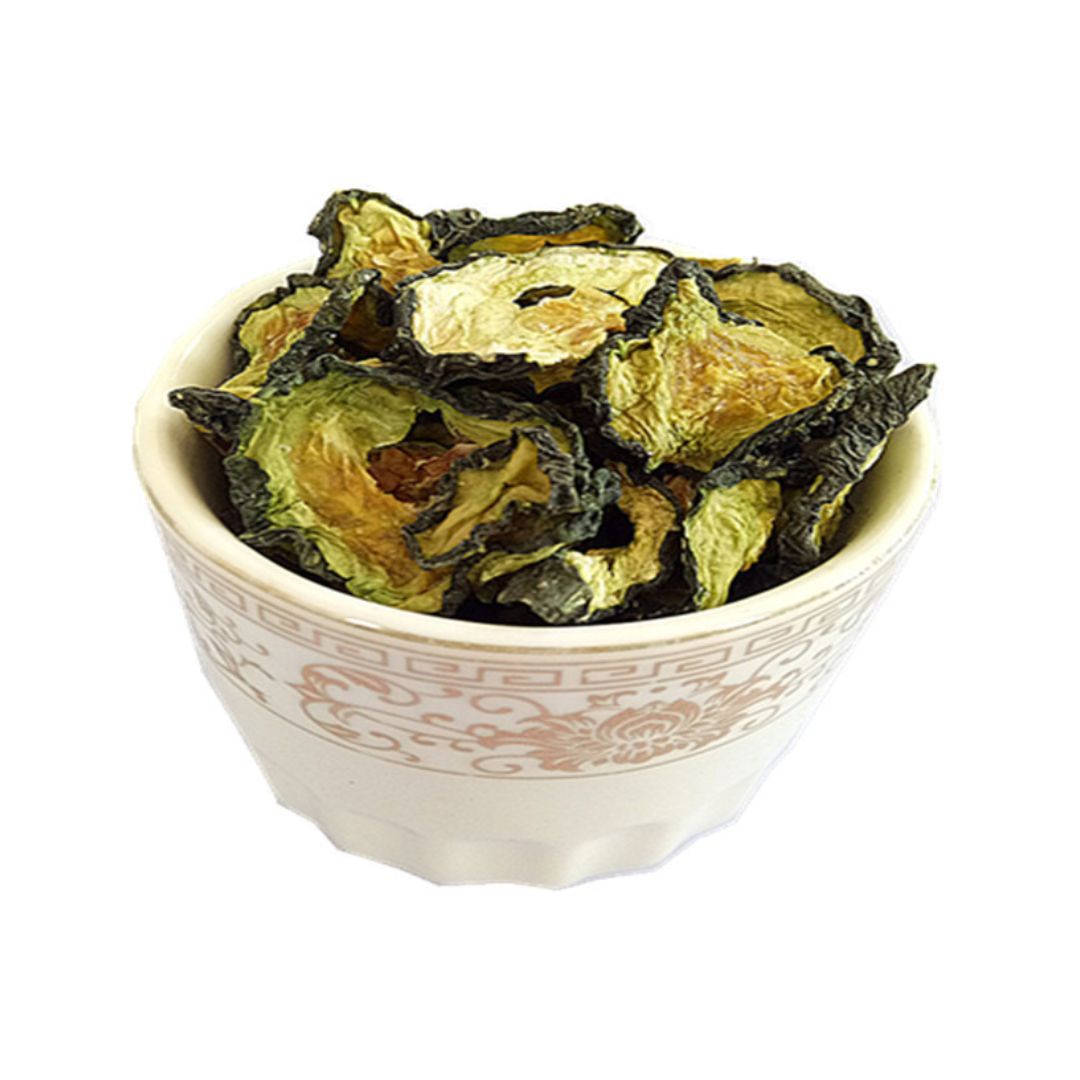
Dehydrated sliced cucumber offers a convenient way to incorporate the mild flavor and nutritional benefits of fresh cucumbers into a variety of applications, as the dehydration process concentrates certain nutrients while extending the shelf life significantly, proving useful for food manufacturers and home cooks alike. This versatile ingredient retains many of the beneficial compounds found in fresh cucumbers, including antioxidants and electrolytes. The reduced moisture content also inhibits microbial growth, making it a stable and safe component for long-term storage.
Production Process
The production of dehydrated sliced cucumbers begins with sourcing high-quality, mature cucumbers, which are then thoroughly washed to remove any surface dirt or contaminants. Following the washing stage, the cucumbers are precisely sliced to ensure uniform thickness, which is critical for consistent drying. These slices are then arranged on trays or within specialized drying equipment. Drying methods vary, with hot air drying being a common technique, involving controlled temperatures and airflow to gradually reduce moisture content. Vacuum drying is another method used, applying lower temperatures under reduced pressure to preserve the cucumber’s natural color and nutrients. Freeze-drying, or lyophilization, represents a more advanced approach, where the cucumbers are frozen and then subjected to a vacuum, causing the ice crystals to sublimate directly into vapor, resulting in a product with superior texture and minimal shrinkage. After drying, the cucumber slices are inspected, sorted to remove any that do not meet quality standards, and then packaged to prevent moisture re-absorption and maintain product integrity.
Product Applications
Dehydrated sliced cucumbers are versatile and can be used in a variety of applications. In the culinary field, they serve as a convenient addition to instant soups, providing a subtle cucumber flavor and visual appeal. They are also incorporated into seasoning blends for salads, dressings, and dips, offering a unique textural element when rehydrated. As a snack food, dehydrated cucumber slices can be consumed directly, providing a low-calorie, crunchy alternative to traditional chips. Beyond the food industry, these slices find use in teas and infused beverages, imparting a refreshing cucumber essence. The cosmetic industry also utilizes dehydrated cucumber slices in facial masks and skincare products, leveraging the cucumber's soothing and hydrating properties.
Packaging and Storage
Proper packaging and storage are crucial to maintaining the quality and extending the shelf life of dehydrated sliced cucumbers as they are hygroscopic and readily absorb moisture from the environment. The product should be packaged in airtight containers, such as resealable bags, rigid plastic containers, or glass jars with tight-fitting lids, preventing moisture re-absorption and maintaining crispness. To further protect against moisture, desiccants such as silica gel packets can be included within the packaging. Optimum storage conditions involve keeping the dehydrated cucumber slices in a cool, dry, and dark environment, ideally at a temperature below 70°F (21°C) and away from direct sunlight, minimizing oxidation and preserving color and flavor. When stored correctly, dehydrated sliced cucumbers can maintain their quality for up to 12-18 months.
Citations
- Ratti, C. (2001). Hot air and freeze-drying of high-value foods: a review. Journal of Food Engineering, 49(4), 311-319.
- Deng, Y., & Zhao, Y. (2008). Effect of pulsed vacuum and ultrasound on the osmotically dehydrated apple slices quality. Journal of Food Engineering, 85(1), 68-75.
- Fellows, P. J. (2009). Food processing technology: principles and practice. Woodhead Publishing.

As a sales manager, I’m here to make sure you get exactly what you need for your dietary supplements. From sourcing to delivery, I’m always by your side, ensuring smooth and friendly service. Let’s make your products even better! 🥰🌿