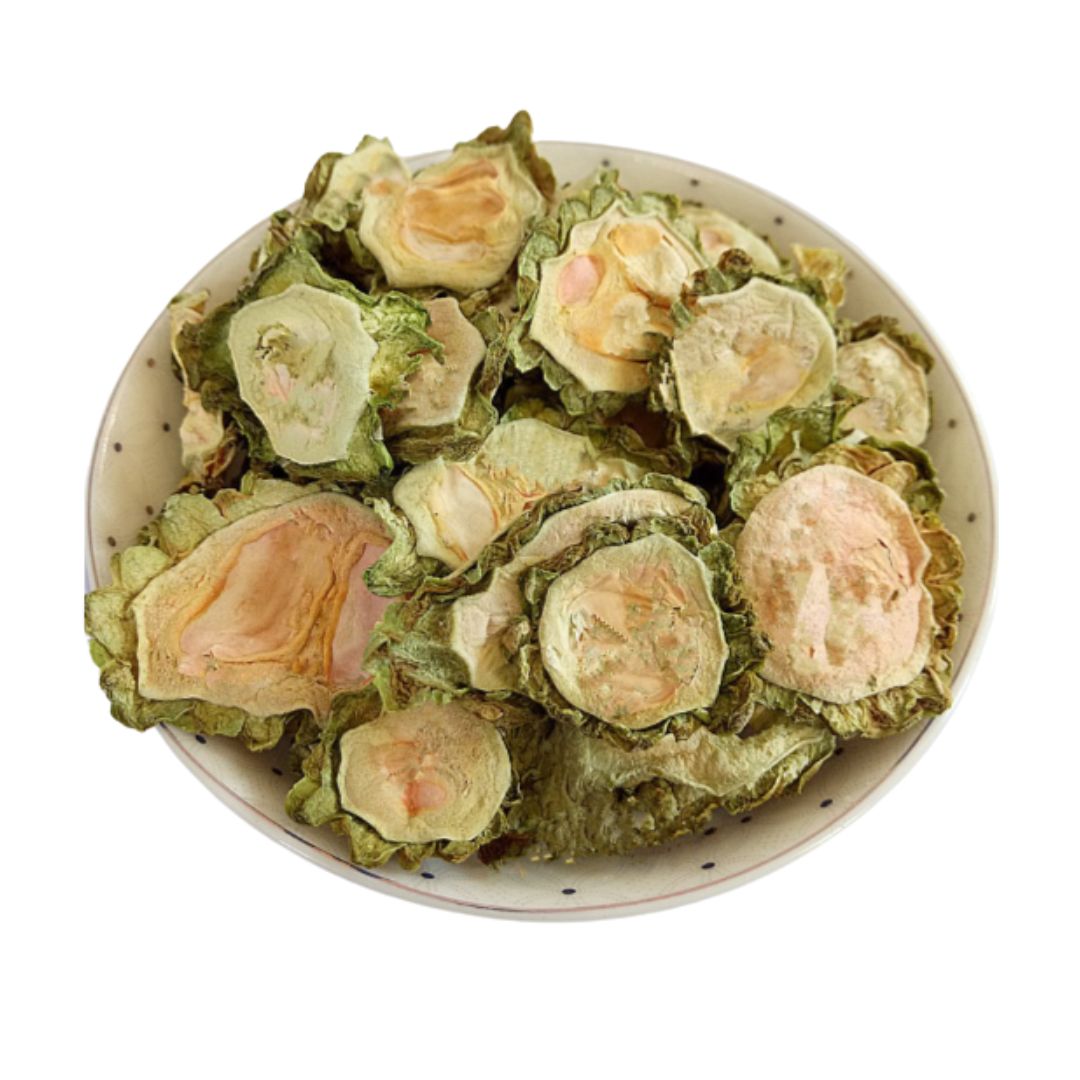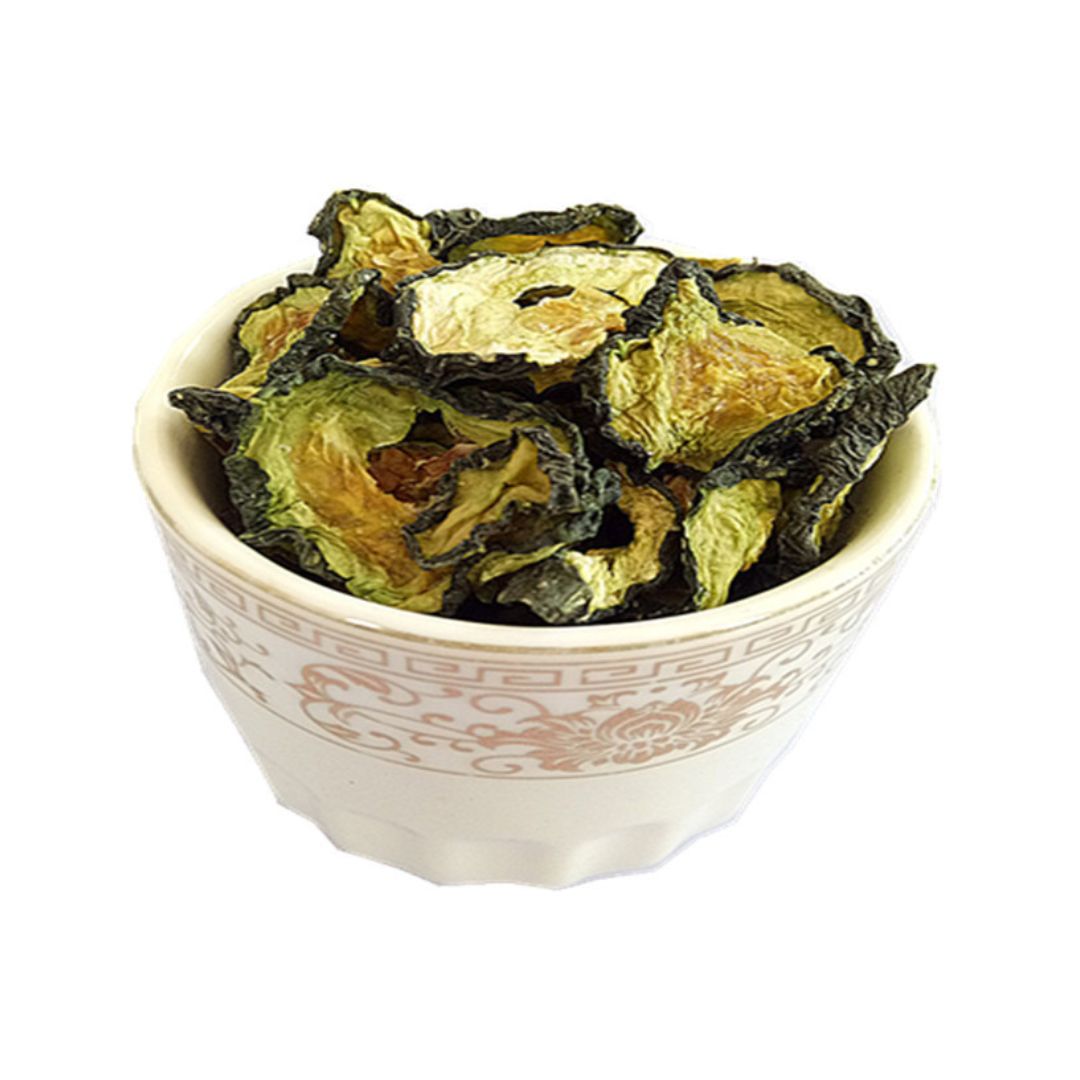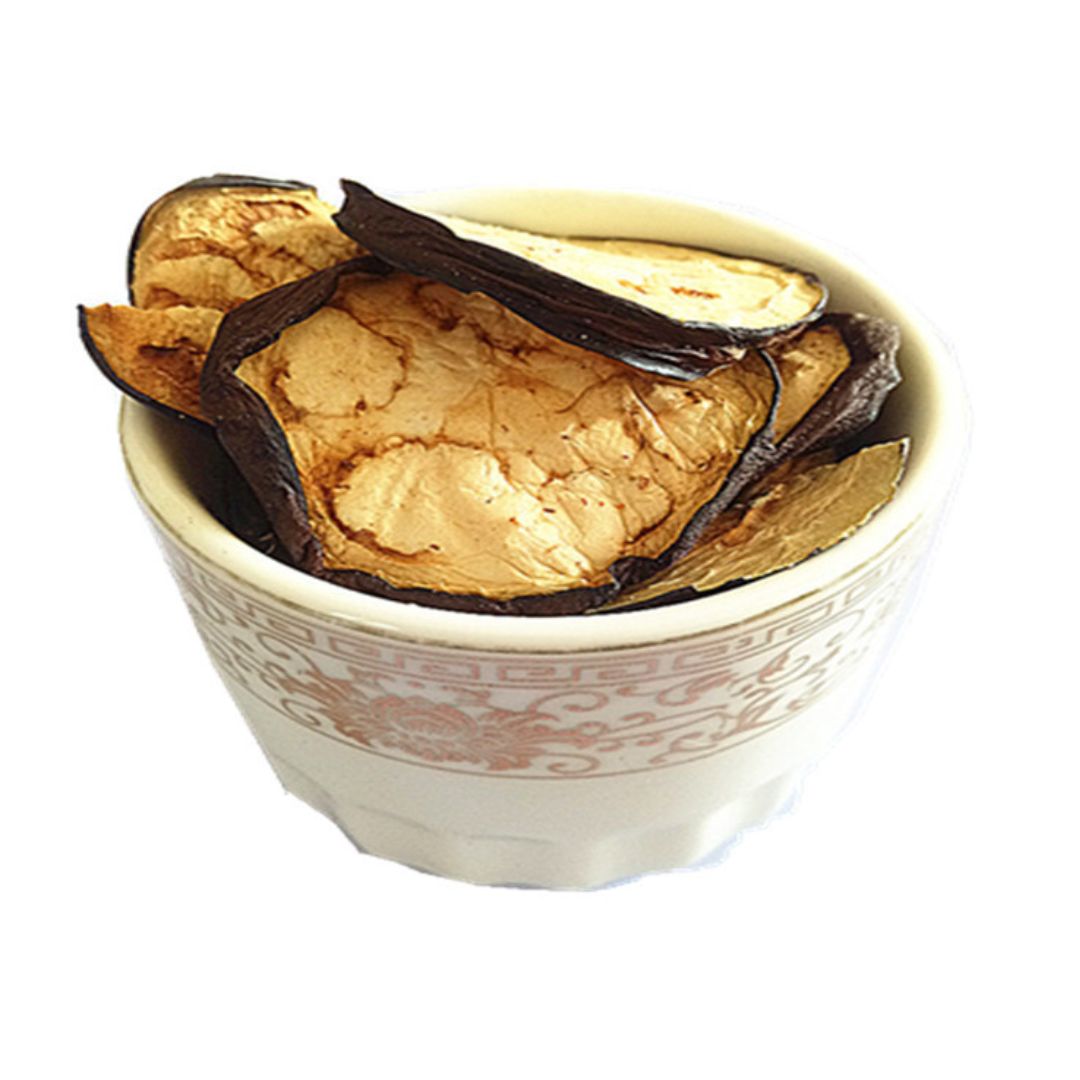


Product Introduction
Dehydrated eggplant slices are a practical solution for food manufacturers and home cooks seeking to include eggplant in their recipes without the challenges associated with fresh produce, such as short shelf life and seasonal availability. Consequently, the process of dehydration extends the usability of the eggplant, preserving its inherent nutritional qualities and flavor profile, allowing for simple and effective application across a variety of culinary preparations.
Production Process
The production of dehydrated eggplant slices begins with the selection of high-quality, ideally mature eggplants, because they contain the best balance of flavor and texture. After selection, the eggplants undergo a thorough cleaning process to remove any surface impurities; subsequently, the eggplants are uniformly sliced to a consistent thickness, which is essential for even drying. These slices are then arranged on trays and placed inside industrial dehydrators where a controlled hot air stream circulates, extracting moisture over a period of several hours and with temperatures carefully managed to prevent burning or case hardening. The drying continues until the moisture content reduces to a level that inhibits microbial growth, typically below 10%, at which point the dehydrated slices are cooled, sorted, and packaged for distribution [1].
Product Applications
Dehydrated eggplant slices possess a versatility that welcomes widespread application in the food industry. In the creation of instant soup mixes, they contribute substantial textural integrity and nutritional value, as well as find use in ready-to-eat meals, imparting an authentic vegetable component that gains consumer appeal. Moreover, these slices are readily incorporated into vegetarian and vegan products, providing a non-meat element rich in dietary fiber. In a domestic setting, they rehydrate easily, becoming a convenient addition to stews, casseroles, and stir-fries, offering a rapid path to incorporating vegetables into daily meals without significant preparatory efforts [2].
Packaging and Storage
To effectively preserve their quality, dehydrated eggplant slices require careful packaging; therefore, the use of airtight, moisture-proof containers is standard, often utilizing materials such as sealed plastic bags, glass jars, or metal cans to guard against moisture re-entry. Proper labeling that includes the production date, shelf life, and storage conditions assists consumers and manufacturers in inventory management, preventing spoilage. The storage environment should be cool, dark, and dry, with temperatures ideally below 20°C and humidity controlled to prevent any moisture absorption, which helps maintain the product’s texture, flavor, and nutritional profile throughout its shelf life [3].
Citations:
[1] – NOWAK, A.; LEWANDOWICZ, G.; KACZOROWSKI, T.; ZAWADZKI, J. The effect of drying method on the quality of dried vegetables. LWT, 2021, 146, 111378.
[2] – RATTAN, B.; DHINGRA, D. Effect of processing methods on nutritional composition of vegetables. Food Science and Technology, 2021, 11 (1), 8-17.
[3] – AGRAWAL, Y. C.; DAS, S.; RAJIV, J. Effect of packaging materials on shelf life of dehydrated vegetables. Journal of Food Science and Technology, 2018, 55 (5), 1707-1715.

As a sales manager, I’m here to make sure you get exactly what you need for your dietary supplements. From sourcing to delivery, I’m always by your side, ensuring smooth and friendly service. Let’s make your products even better! 🥰🌿