

Product Introduction
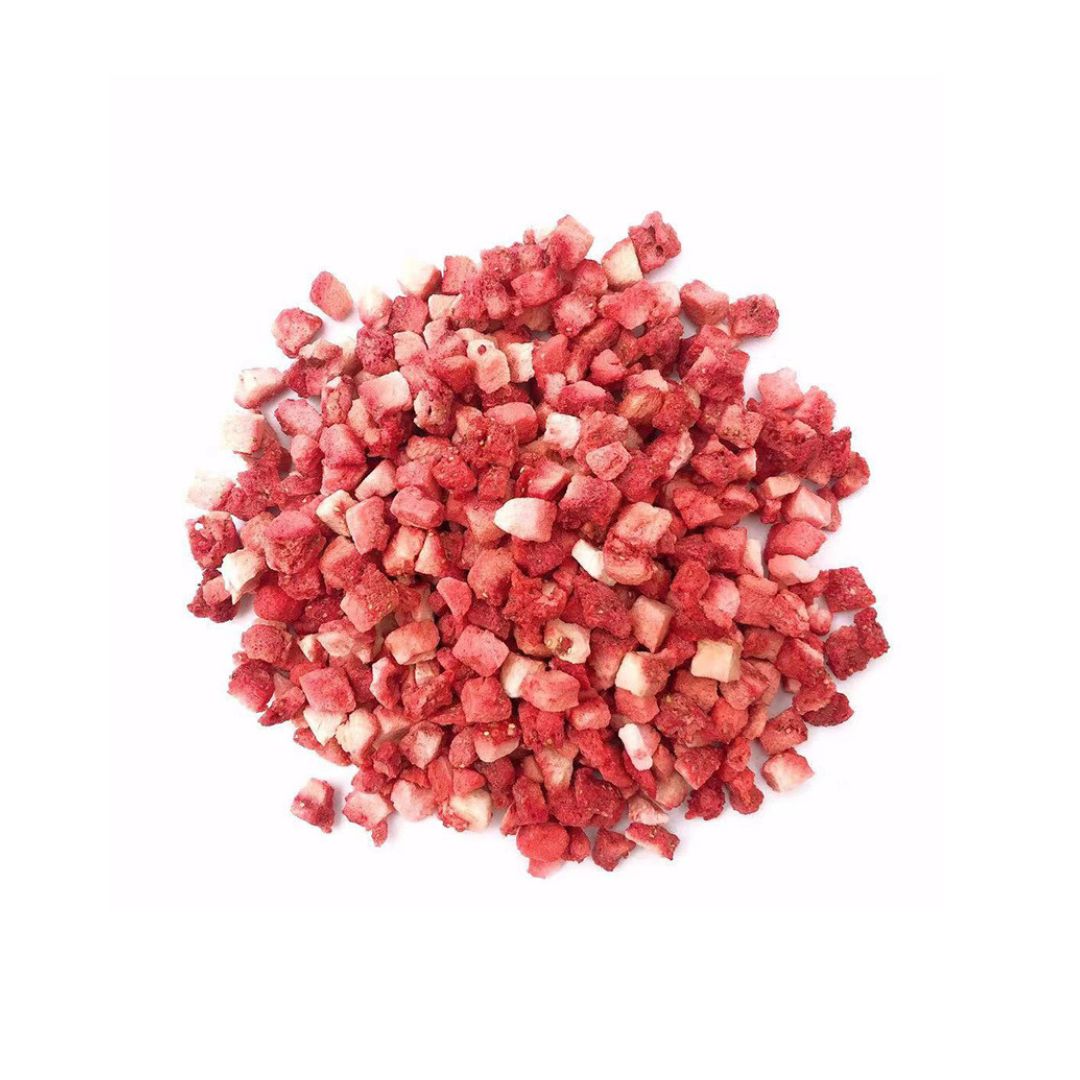
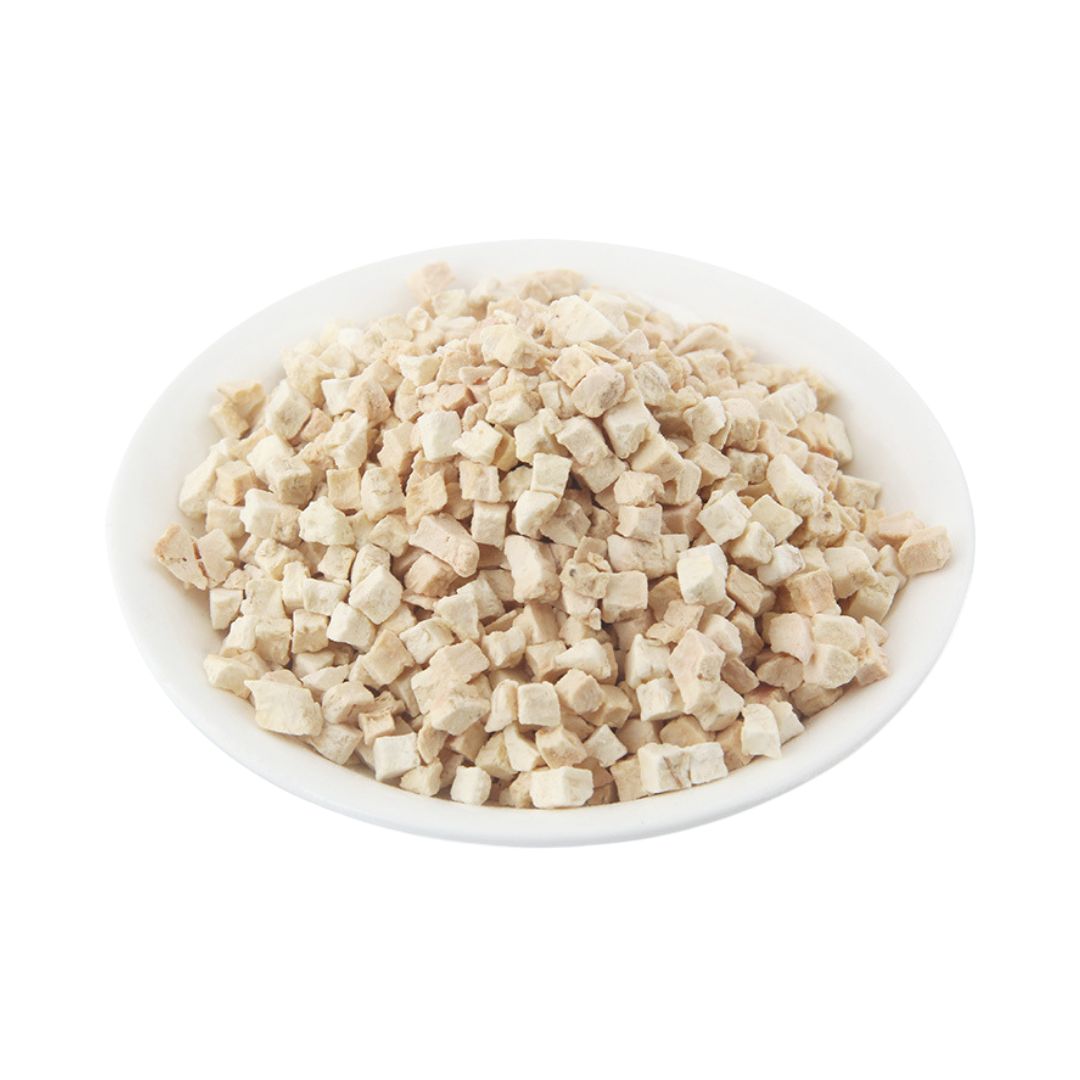
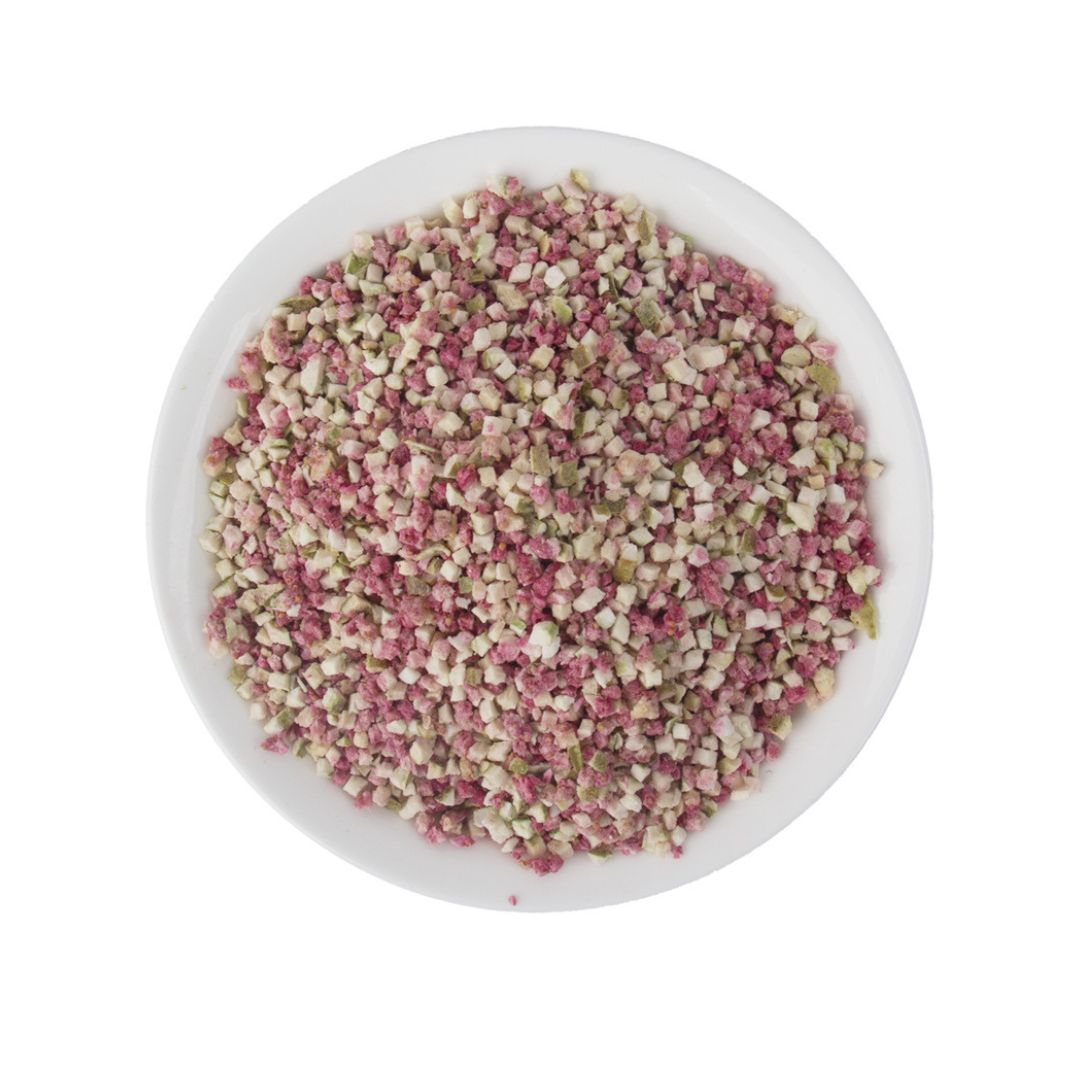
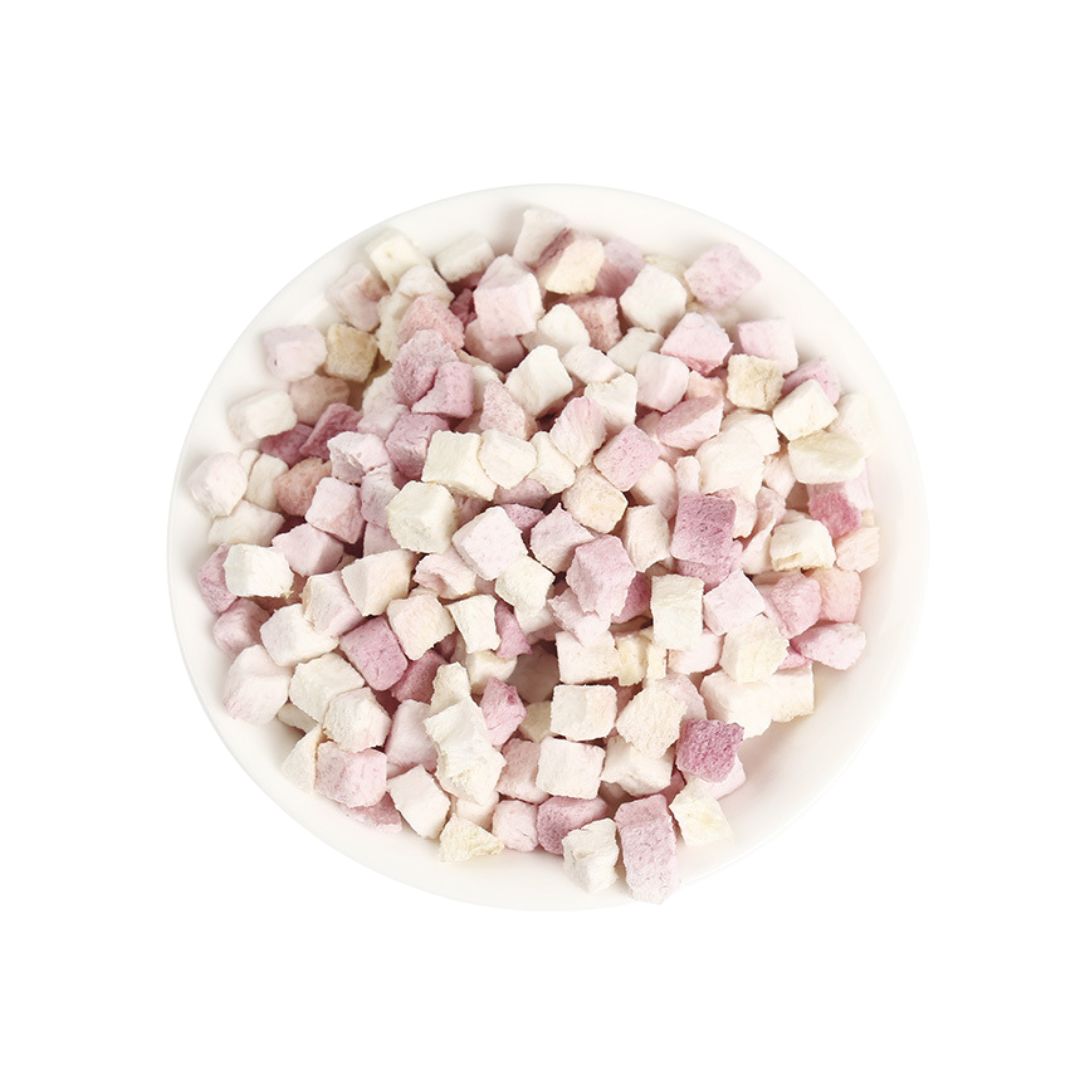
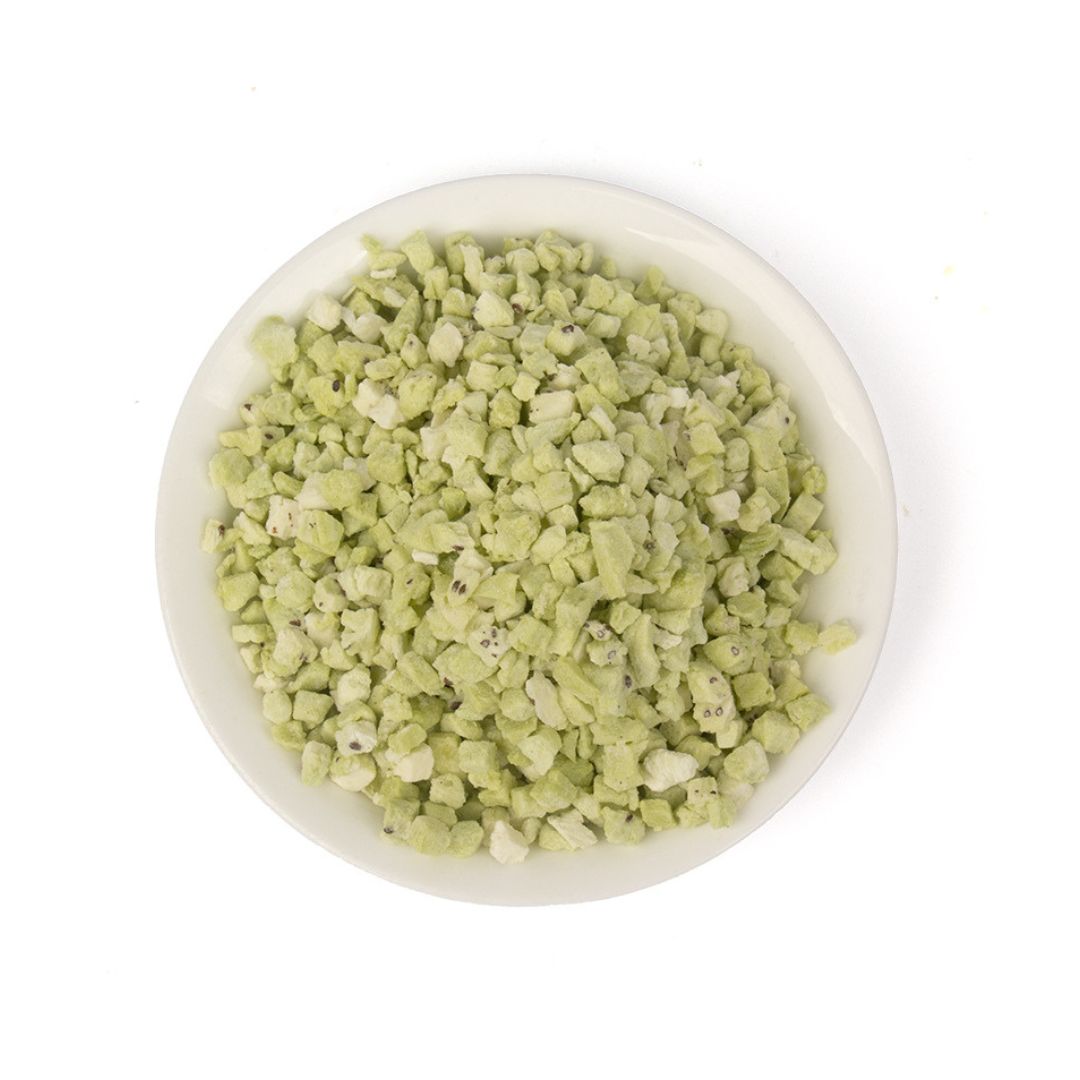
Freeze-dried kiwi cubes offer a convenient way to enjoy the nutritional benefits and taste of fresh kiwifruit. Through freeze-drying, the kiwi maintains much of its original flavor, color, and nutritional profile, while significantly extending its shelf life. These cubes can be easily incorporated into various recipes or enjoyed as a standalone snack.
Production Process
The production of freeze-dried kiwi cubes begins with selecting ripe kiwifruit, the fruits are then washed and sliced into cubes. These cubes are then rapidly frozen, which is followed by a sublimation process where the ice crystals are converted directly into vapor under a vacuum. This process removes almost all the moisture while retaining the kiwifruit's cellular structure. The resulting product is lightweight, crisp, and shelf-stable.
Nutritional Composition Table
| Nutrient | Amount per 100g |
|---|---|
| Vitamin C | Varies |
| Vitamin K | Varies |
| Dietary Fiber | Varies |
| Potassium | Varies |
| Calories | Varies |
| Note: The specific values might vary depending on the source and processing methods. |
Product Benefits and Functions
Freeze-dried kiwi cubes retain many of the health benefits of fresh kiwifruit. They are a good source of vitamin C, an antioxidant that helps support the immune system and protect against oxidative stress. Vitamin K, also present in kiwi, is important for blood clotting and bone health. The dietary fiber in kiwi supports digestive health and can contribute to feelings of fullness. [1]
Product Application Scenarios
Freeze-dried kiwi cubes are versatile and suitable for various applications. They can be eaten as a snack, added to breakfast cereals, trail mixes, or used as a topping for yogurt and desserts. In baking, they can be incorporated into muffins, cakes, and cookies. Additionally, freeze-dried kiwi cubes can be rehydrated and blended into smoothies or used as a garnish for beverages.
Botanical Source
The kiwifruit, Actinidia deliciosa, is native to China, but it's commercially grown in various countries, including New Zealand, Italy, and the United States. [2] The fruit is known for its fuzzy brown skin, bright green flesh, and small black seeds.
Packaging and Storage
To maintain the quality and prevent moisture absorption, freeze-dried kiwi cubes should be stored in airtight packaging. Suitable packaging materials include resealable bags, glass jars, or containers with tight-fitting lids. It is recommended to store the product in a cool, dry place, away from direct sunlight and heat, to prolong its shelf life and preserve its flavor and texture.
Citations:
- "Kiwifruit: Nutrition, Benefits, and How to Prepare It." WebMD, www.webmd.com/diet/health-benefits-kiwi. Accessed 3 May 2024.
- "Kiwifruit." Wikipedia, en.wikipedia.org/wiki/Kiwifruit. Accessed 3 May 2024.

As a sales manager, I’m here to make sure you get exactly what you need for your dietary supplements. From sourcing to delivery, I’m always by your side, ensuring smooth and friendly service. Let’s make your products even better! 🥰🌿