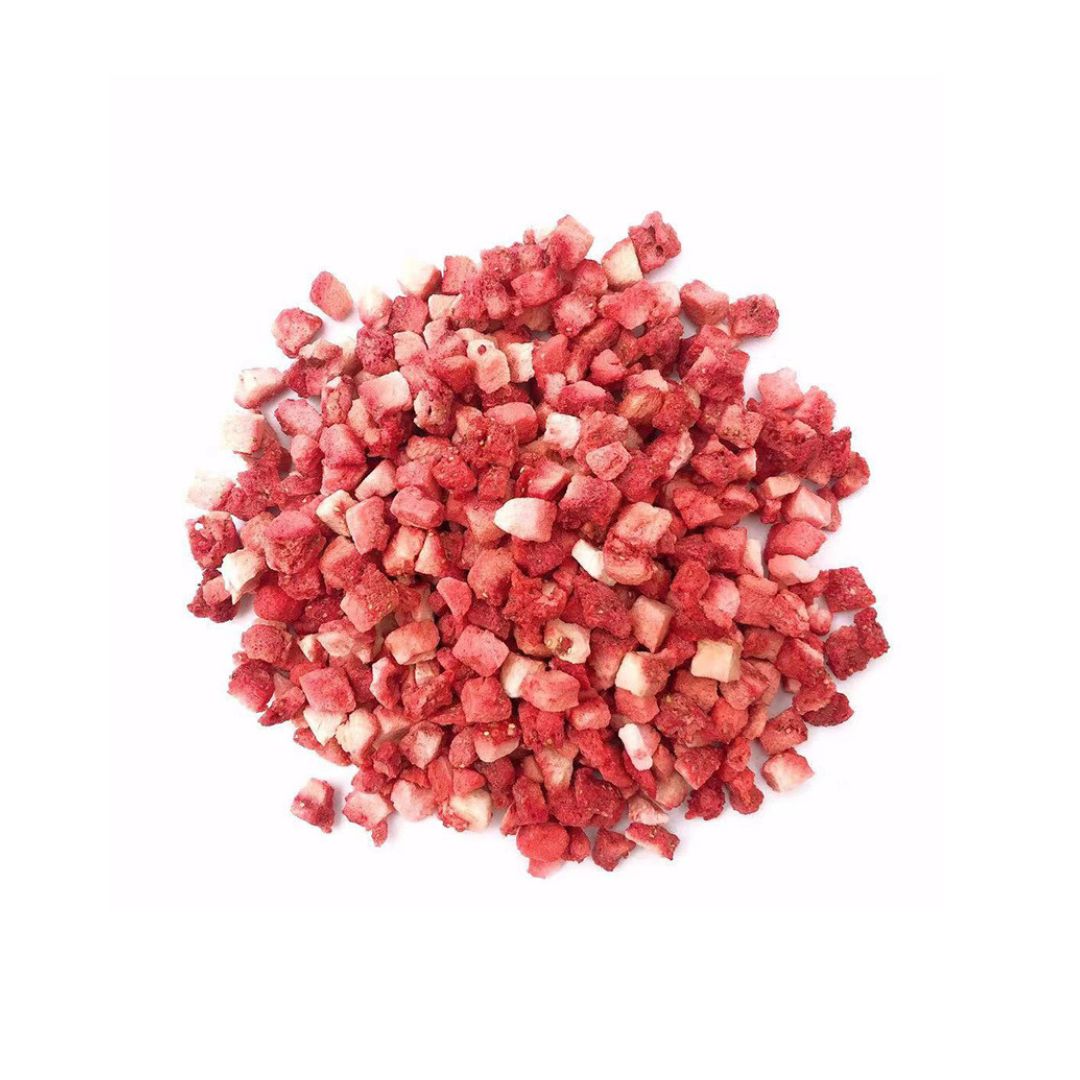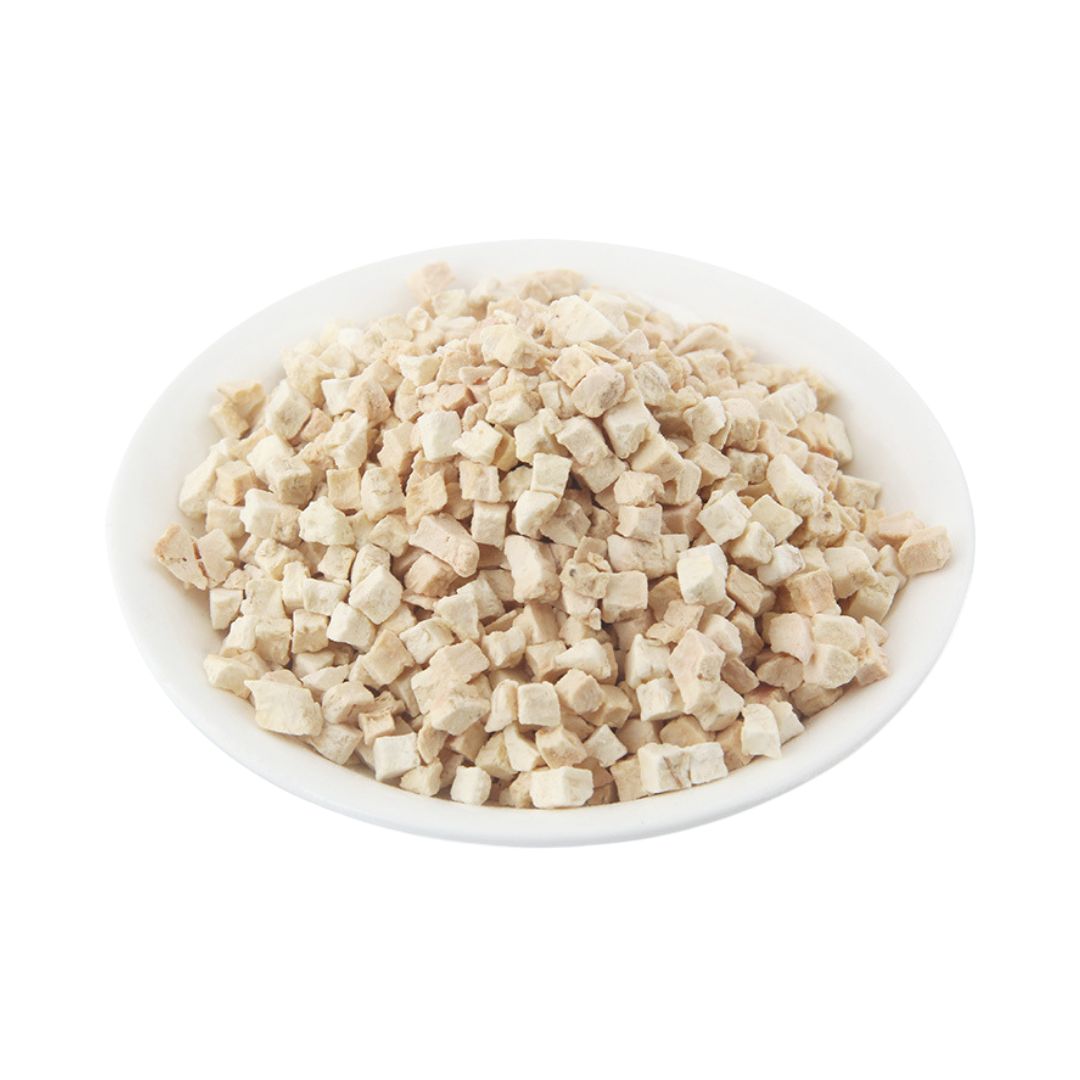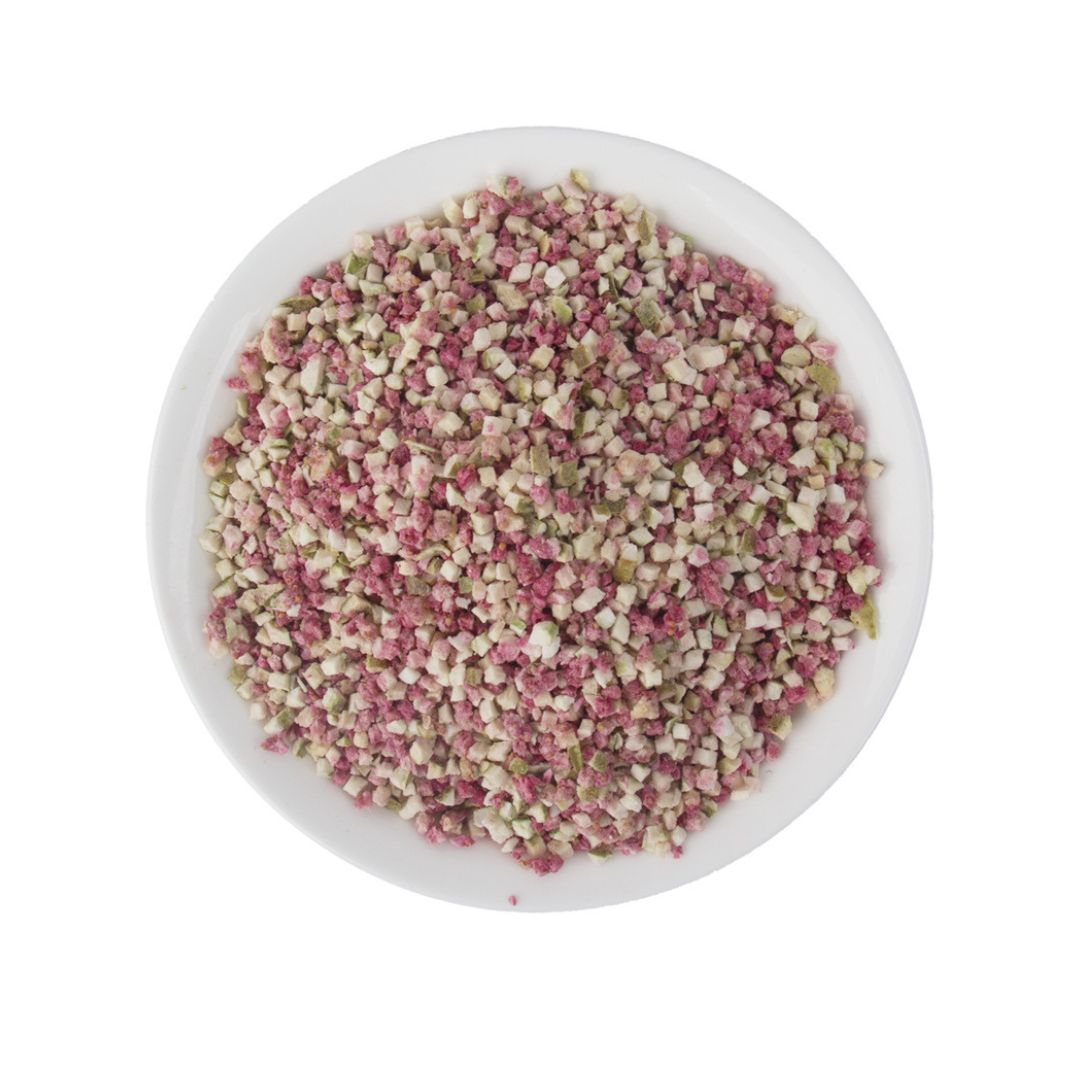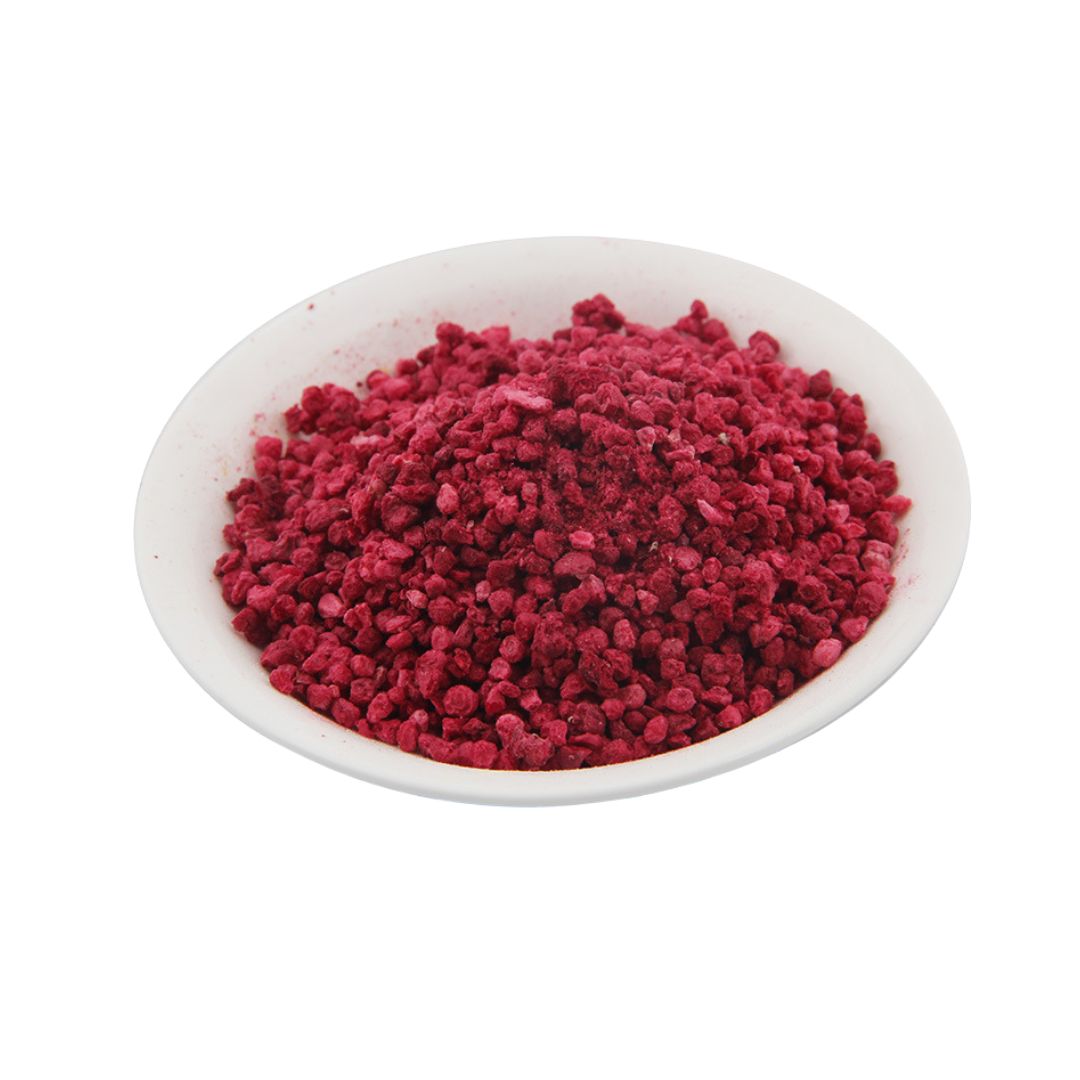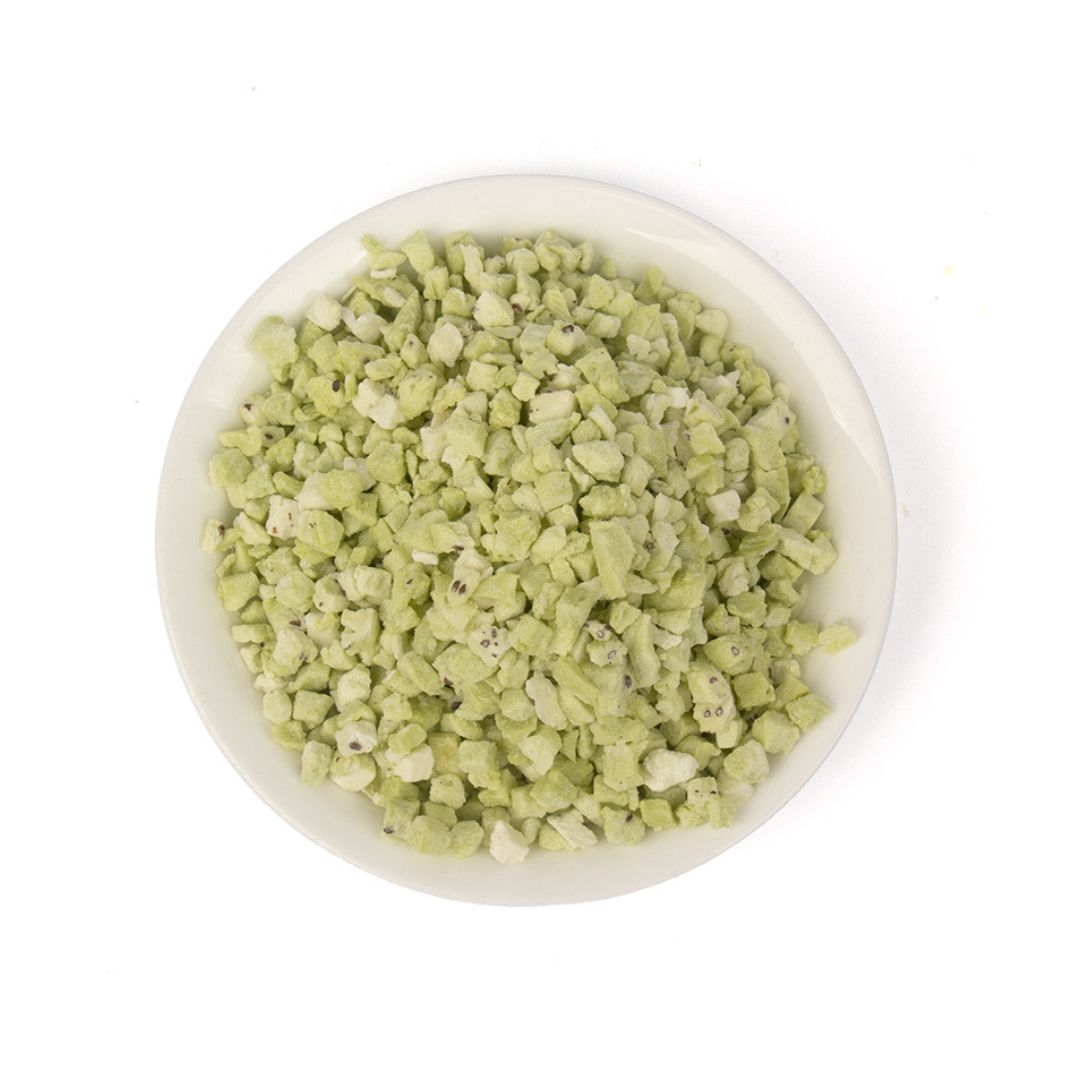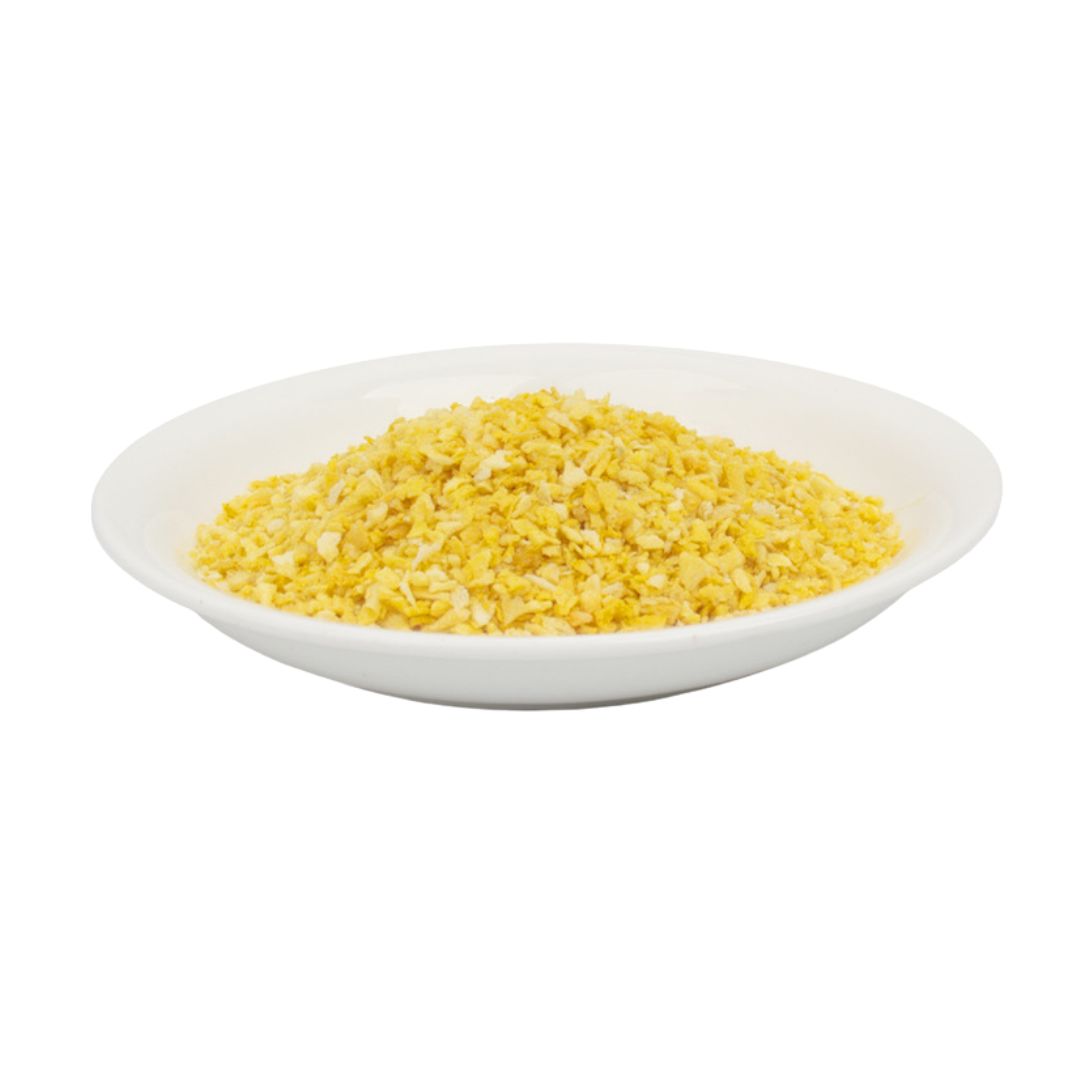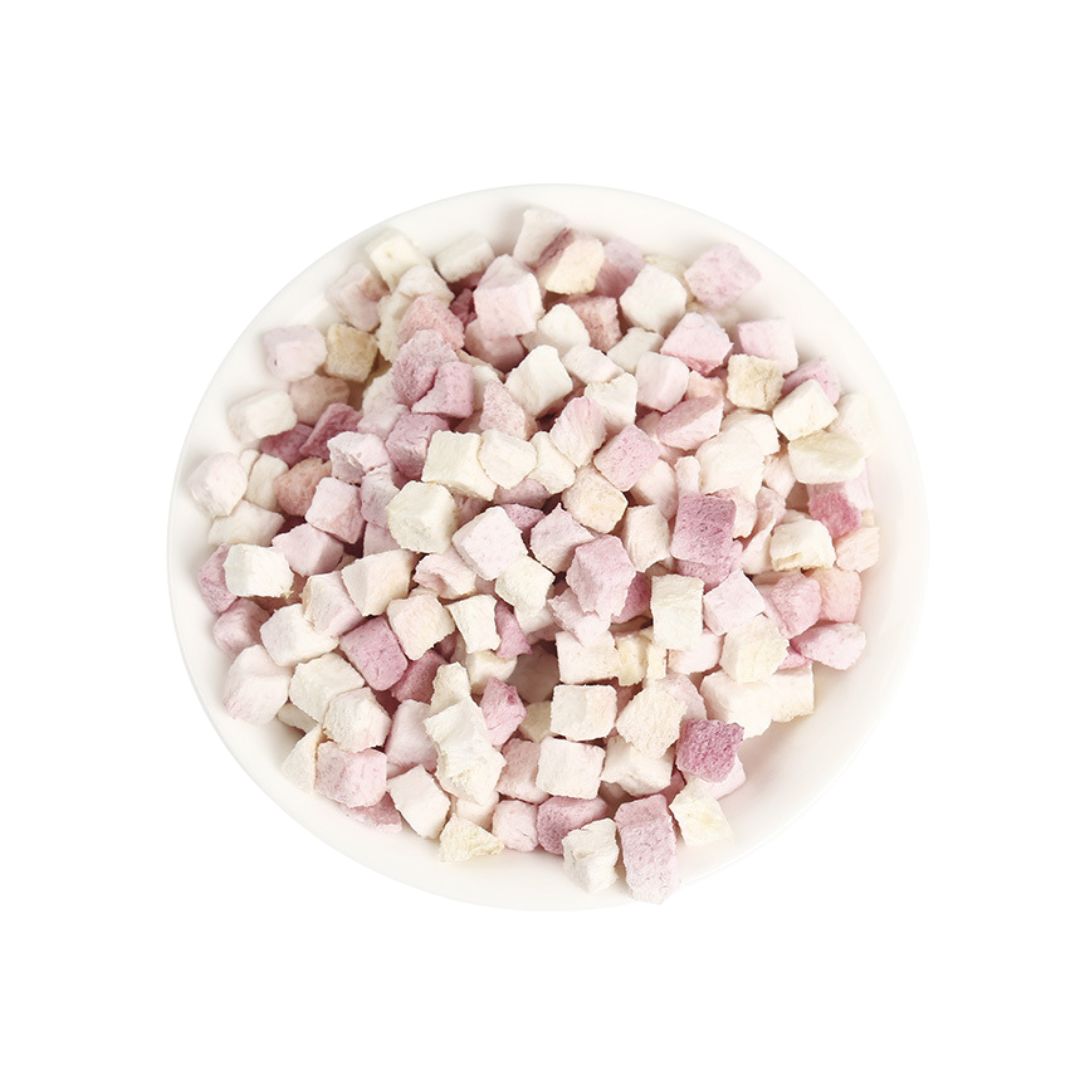


Product Introduction
Freeze-dried nectarine cubes are a convenient, healthy snack made from fresh nectarines, that are processed to remove water while retaining the fruit's natural flavor, color, and nutrients. The result is a lightweight, crispy product perfect for various uses.
Production Process
The production of freeze-dried nectarine cubes involves several key steps. First, fresh nectarines are carefully selected, washed, and sliced into uniform cubes. These cubes are then rapidly frozen, before entering a vacuum chamber where the water is sublimated, transitioning directly from ice to vapor. This process preserves the nectarine's cellular structure, maintaining its nutritional value and flavor. Finally, the freeze-dried nectarine cubes are packaged to prevent moisture reabsorption, ensuring a long shelf life.
Nutritional Composition Table
| Nutrient | Amount per 100g |
|---|---|
| Calories | 341 kcal |
| Carbohydrates | 82.7g |
| Dietary Fiber | 11.7g |
| Sugars | 62.1g |
| Protein | 6.1g |
| Fat | 1.2g |
| Vitamin A | 1667 IU |
| Vitamin C | 25.5 mg |
| Potassium | 1330 mg |
Product Benefits and Functions
Freeze-dried nectarine cubes offer several health benefits. They are a good source of dietary fiber, promoting healthy digestion and helping to regulate blood sugar levels [1]. The high vitamin C content supports immune function and acts as an antioxidant, protecting the body against free radicals [2]. Vitamin A is essential for vision and skin health [3]. Additionally, the potassium in nectarines helps maintain healthy blood pressure levels [4].
Product Application Scenarios
Freeze-dried nectarine cubes are versatile and can be used in various applications. They make a healthy and convenient snack straight from the bag. They can be added to breakfast cereals, granola, or yogurt for extra flavor and nutrition. Freeze-dried nectarine cubes are also suitable for baking, adding a fruity element to muffins, cakes, and cookies. Furthermore, they can be used in trail mixes or as a topping for desserts [5].
Botanical Source
Nectarines (Prunus persica var. nucipersica) are a variant of the peach, belonging to the Rosaceae family. Native to China, nectarines are now cultivated worldwide in temperate regions. They are characterized by their smooth skin, in contrast to the fuzzy skin of peaches. Nectarine trees typically grow to around 4-5 meters in height, producing pink flowers in the spring and bearing fruit in the summer [6].
Packaging and Storage
Freeze-dried nectarine cubes should be packaged in airtight, moisture-proof containers to maintain their crispness and prevent moisture absorption. Optimal storage conditions include a cool, dry place away from direct sunlight and heat. When stored properly, freeze-dried nectarine cubes can maintain their quality for up to 12-18 months [7].
Citations
[1] Anderson, J. W., et al. "Health implications of dietary fiber." Nutrition Reviews 56.1 (1998): 1-18.
[2] Frei, B. "Vitamin C and its role in redox signaling." Free Radical Biology and Medicine 115 (2018): 217-233.
[3] Sommer, A., and J. M. Davidson. "Vitamin A deficiency: effects on the eye." Progress in Retinal and Eye Research 21.5 (2002): 481-502.
[4] Weaver, C. M. "Potassium and health." Advances in Nutrition 4.3 (2013): 368S-377S.
[5] Ratti, C. "Hot air and freeze-drying of high-value foods: a review." Journal of Food Engineering 49.4 (2001): 311-319.
[6] Okie, W. R. "Nectarines." Fruit Breeding. Springer, Boston, MA, 2005. 285-324.
[7] Fellows, P.J. Food Processing Technology: Principles and Practice. 3rd ed. Cambridge: Woodhead Publishing, 2009.

As a sales manager, I’m here to make sure you get exactly what you need for your dietary supplements. From sourcing to delivery, I’m always by your side, ensuring smooth and friendly service. Let’s make your products even better! 🥰🌿